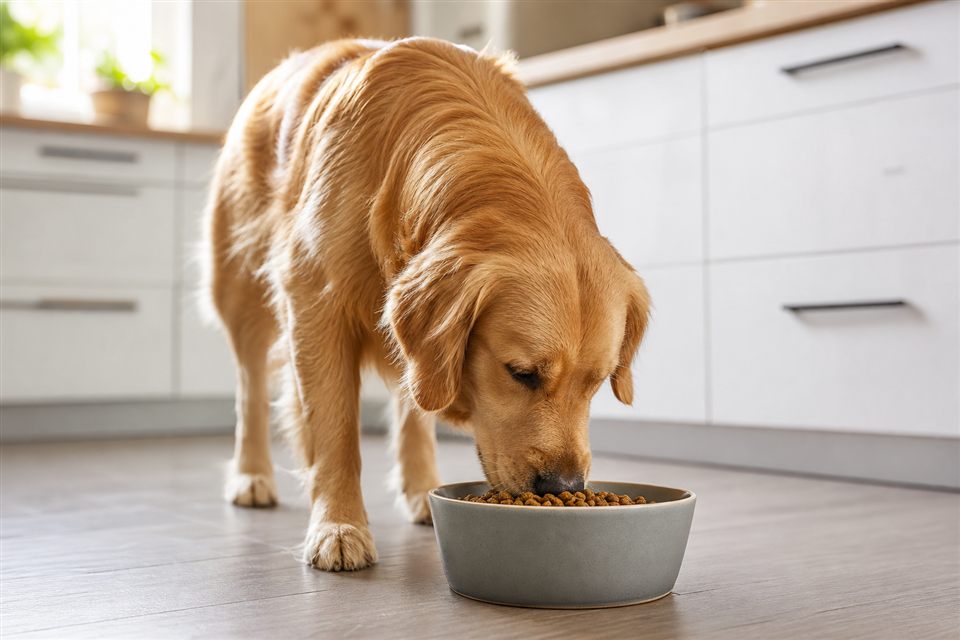
During holiday prep, Naomi separated pomegranate arils for a salad and dropped a few juice-filled rubies into a dish for her Golden Retriever, Bailey. Bailey's tongue turned pink; she swallowed them whole and looked hopeful. Naomi had removed the white pith but wondered whether the seeds inside each aril—and the tart juice—could upset Bailey's stomach if holiday generosity got out of hand.
Key points at a glance
- A few plain pomegranate arils with hard inner seeds removed may be safe for many dogs as an occasional treat.
- Whole arils containing seeds can cause stomach upset or intestinal blockage in small dogs if eaten in quantity.
- Pomegranate juice and concentrates are too sugary for regular dog treats and may cause diarrhea.
- Avoid pomegranate rind and tree parts; they are difficult to digest and not meant for dogs.
- Tart fruit on an empty stomach can trigger vomiting in sensitive dogs—offer arils after a meal.
- Start with one to three arils for medium dogs and watch stool and behavior for forty-eight hours.
- Dogs with diabetes or weight concerns should skip sugary fruit treats.
Understanding the fruit: arils, seeds, and pith
Each pomegranate aril is a juicy sac around a small seed. Humans often swallow seeds whole; dogs may do the same. The seed itself is not known to be toxic like grape seeds in forbidden fruits, but hard seeds in volume create digestive load. Removing seeds means squeezing or cutting arils—a tedious task Naomi undertook only for special occasions.
White pith between arils tastes bitter and contains tannins that irritate some stomachs. Peel and membrane should never go in Bailey's bowl. The outer rind is tough and can obstruct intestines if swallowed in chunks.
Pomegranate flesh provides vitamin C, potassium, and antioxidants. Dogs synthesize their own vitamin C, so the benefit is marginal compared to the sugar content. Treat value is mostly novelty and hydration, not nutrition Bailey lacked from her regular diet.
How many arils cause stomach upset
Quantity drives most problems. One to three seedless arils rarely trouble a fifty-pound dog. Ten or more may produce loose stool, gas, or vomiting within twelve to twenty-four hours because of sugar and acid load.
| Dog size | Conservative starting amount | Signs you exceeded tolerance |
|---|---|---|
| Small | 1 aril, seedless | Soft stool, lip smacking, vomiting |
| Medium | 1–3 arils | Diarrhea, decreased appetite |
| Large | 3–5 arils | Gas, pink-tinged stool from juice pigment |
| Giant | 5–7 arils max | Persistent GI signs beyond 24 hours |
Pink stool after pomegranate looks alarming but often reflects harmless pigment passing through. True blood appears darker or accompanies lethargy and pain. Naomi knew to call the vet if Bailey strained, whined, or refused water.
Holiday bowls of arils left on coffee tables invite counter surfing. Bailey once cleared a saucer when Naomi stepped away—seven arils, seeds included. Mild diarrhea followed; Naomi withheld extras for three days and fed bland meals per her vet's nurse line advice.
Juice, supplements, and products to avoid
Bottled pomegranate juice concentrates sugar without fiber moderation. A few licks may be harmless; regular pouring over food adds empty calories and risks diarrhea. Pomegranate extract supplements marketed for humans lack canine dosing research and may interact with medications.
Flavored yogurts with pomegranate swirl contain sugar and possibly xylitol. Pomegranate chocolate confections combine two dangers. Keep human desserts out of reach.
Preparation steps that reduce risk
Cut fruit on a clean board reserved for dog-safe foods. Roll arils out of halved fruit in water; pith floats for easy skimming. Pat arils dry so juice does not stain fur around the mouth—cosmetic, but Naomi appreciated less pink on Bailey's cream-colored chest.
Freeze seedless arils in ice cube trays with water for summer enrichment. One cube on a hot walk beats handing over handfuls from the salad bowl.
Never substitute pomegranate for medication. Some owners hear antioxidants fight inflammation; Bailey's arthritis management stayed on prescribed joint supplements and weight control, not fruit bowls.
When pomegranate is a poor choice
Diabetic dogs do poorly with fruit sugar spikes unless a veterinary nutritionist integrates treats into insulin plans. Overweight dogs benefit from lower-calorie rewards like cucumber. Dogs with chronic gastritis or pancreatitis history should avoid tart, rich novelties.
Pomegranate allergies are rare but possible. Hives, facial swelling, or repeated vomiting after one aril means stop and seek veterinary care.
Small-breed puppies with tiny intestinal diameters face higher obstruction risk from seeds swallowed whole. Naomi skipped pomegranate entirely until Bailey reached adulthood and proved reliable chewing habits—mostly reliable, except during holidays.
The bottom line
Dogs can eat a few pomegranate arils with inner seeds removed as an occasional treat if you skip rind, pith, juice pours, and holiday-sized handfuls. Tartness and sugar mean stomach upset scales with quantity—start tiny, offer after meals, and watch Bailey's stool. Naomi kept pomegranate as a once-a-season photo moment, not a weekly superfood habit, and Bailey's pink tongue returned to normal by bedtime.
This article is for general informational purposes and is not a substitute for professional veterinary advice. Contact your veterinarian if your dog eats large amounts of pomegranate, shows signs of obstruction, or has persistent vomiting or diarrhea.