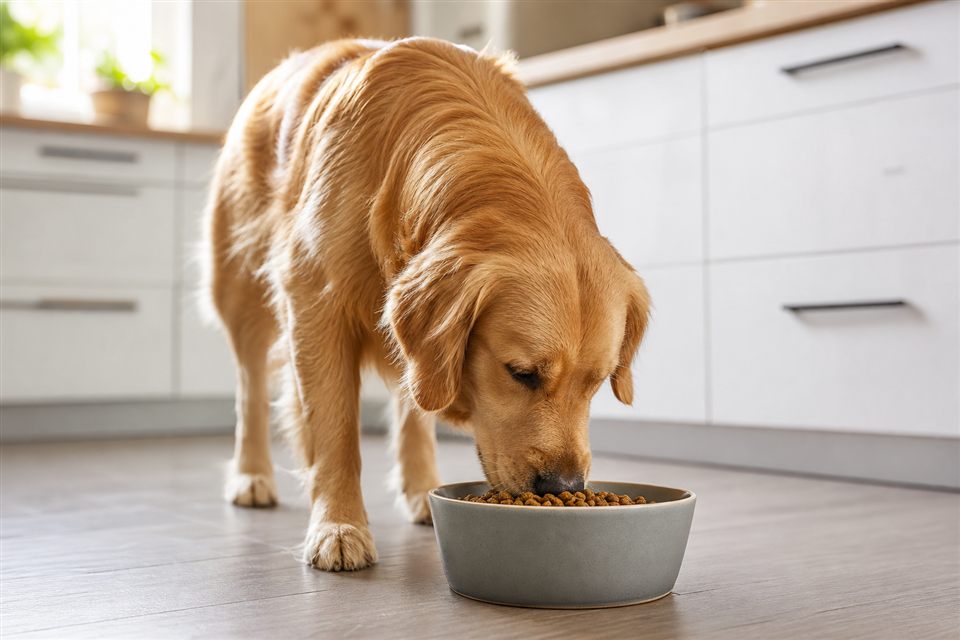
When her Labrador, Gus, woke up with loose stool after raiding the compost bin, Elena cooked a small pot of plain oatmeal and wondered if the breakfast staple could actually help his stomach settle. Gus watched the pot like it was steak. She needed something bland, but oatmeal felt different from the rice her vet usually mentioned.
Plain cooked oatmeal with no sugar, salt, butter, or flavoring is safe for most dogs in moderation. It provides soluble fiber that can firm soft stool and soothe mild digestive upset. It is not a cure for vomiting, parasites, or serious GI disease, but it works well as a short-term bland food alongside or instead of plain rice when your vet recommends a gentle diet.
Key points at a glance
- Plain cooked oatmeal (no sugar, salt, milk, or butter) is safe for most healthy dogs.
- Soluble fiber can help firm loose stool during mild upset stomach episodes.
- Use as a temporary bland diet component, not a long-term meal replacement.
- Avoid instant packets with added sugar, artificial sweeteners, or xylitol.
- Dogs with grain allergies, diabetes, or pancreatitis need vet approval first.
Why oatmeal helps upset stomachs
Oatmeal contains beta-glucan, a soluble fiber that absorbs water and adds bulk to stool. That is why vets and owners reach for bland carbohydrates during mild diarrhea or after dietary indiscretion. Cooked oatmeal is soft, easy to digest, and less likely to irritate an already unhappy gut than rich or fatty foods.
It works similarly to plain white rice, though oatmeal has slightly more fiber and protein. Some dogs tolerate one better than the other. If rice has always worked for your dog, oatmeal is an alternative — not automatically superior.
How to prepare it safely
Use rolled or quick oats, not raw steel-cut oats that take longer to soften. Cook with water only. Do not add milk — many dogs are lactose intolerant, and dairy can worsen diarrhea. Skip brown sugar, maple syrup, cinnamon blends with sweetener, or instant flavored packets.
Let the oatmeal cool to room temperature before serving. Hot food can burn a dog's mouth and throat.
| Dog size | Plain oatmeal portion (bland diet) | Notes |
|---|---|---|
| Small (under 20 lbs) | 2–4 tbsp | Mix with plain boiled chicken if vet approves |
| Medium (20–50 lbs) | 1/4–1/2 cup | Start smaller if new to oats |
| Large (50+ lbs) | 1/2–3/4 cup | Monitor stool over 24 hours |
For a bland diet during active diarrhea, feed small frequent meals rather than one large bowl. Transition back to regular food gradually over three to five days once stool normalizes.
How long is it safe to use?
Oatmeal as a bland diet is meant for short stretches — typically two to three days for mild upset, or as directed by your veterinarian. Longer use without balanced nutrition leads to deficiencies. If diarrhea persists beyond 48 hours, includes blood, or comes with lethargy or vomiting, stop home remedies and call your vet.
Dogs with chronic GI conditions may need prescription diets rather than kitchen oatmeal.
What to avoid
Never use oatmeal with xylitol, chocolate, raisins, or artificial sweeteners. Skip flavored instant packets and sweetened oat milk.
The bottom line
Plain cooked oatmeal with no sugar is a reasonable bland food for dogs with mild stomach upset when portions stay modest and use stays short. Elena fed Gus a few tablespoons mixed with a little plain chicken, and his stool firmed by the next morning. For anything beyond a mild one-off episode, your vet should guide the plan — oatmeal supports recovery, it does not replace diagnosis.
This article is for general information only and is not a substitute for advice from your veterinarian.