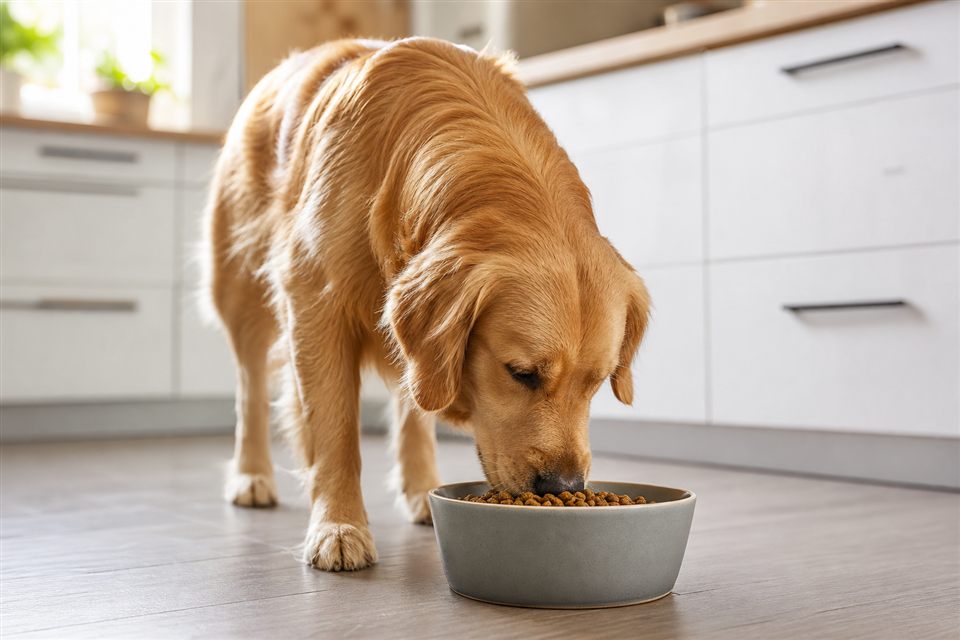
After Walter's border collie, Scout, vomited twice and refused breakfast, Walter boiled white rice like the internet told him to — then realized he only had brown rice in the pantry. He cooked it plain and hesitated over the bowl. Brown rice felt healthier for humans. For a dog with a queasy stomach, he was not sure that mattered.
Dogs can eat plain cooked brown rice, but white rice is usually the better choice for bland diets during active diarrhea or vomiting recovery. Brown rice has more fiber and bran, which can be harder on an irritated gut. When brown rice is all you have, it works in small portions for dogs who tolerate it — but switch to white rice if stool stays loose.
Key points at a glance
- Plain cooked brown rice is safe but not ideal for acute bland diets.
- White rice is gentler during active GI upset because it is lower in fiber.
- Brown rice works for maintenance bland meals once stool begins to firm.
- Limit bland rice diets to two to three days without vet guidance.
- Always cook thoroughly; never feed raw or undercooked rice.
Brown vs. white rice for upset stomachs
Vets recommend bland diets because they are easy to digest and low in fat. White rice cooks down soft, has minimal fiber, and absorbs excess moisture in the gut. Brown rice retains the bran layer, adding insoluble fiber that can speed transit time — the opposite of what you want when diarrhea is the problem.
Scout's situation illustrates the distinction: brown rice on day one of active diarrhea may keep things loose. Once vomiting stops and stool starts forming, brown rice mixed with plain boiled chicken is reasonable for many dogs.
| Situation | Better rice choice | Why |
|---|---|---|
| Active diarrhea or vomiting | White rice | Lower fiber, easier digestion |
| Post-recovery transition (days 3–5) | Brown or white | Brown adds nutrients if tolerated |
| Long-term feeding | Neither alone | Incomplete nutrition — needs balanced diet |
How to prepare it
Cook brown rice in water with no salt, oil, or seasonings. It takes longer than white rice and should be fully softened. Undercooked grains pass through undigested and can worsen GI signs. Let it cool before serving.
Mix with plain skinless boiled chicken or lean ground turkey in roughly two parts rice to one part protein if your vet recommends the classic bland combination.
| Dog size | Single bland meal portion | Frequency during upset |
|---|---|---|
| Small (under 20 lbs) | 1/4–1/2 cup rice + 1–2 tbsp protein | 3–4 small meals daily |
| Medium (20–50 lbs) | 1/2–1 cup rice + 2–4 tbsp protein | 3 meals daily |
| Large (50+ lbs) | 1–1.5 cups rice + 1/4–1/3 cup protein | 2–3 meals daily |
How long is it safe?
A rice-based bland diet is temporary. Two to three days covers most mild dietary indiscretion episodes. If diarrhea, vomiting, or appetite loss continues beyond 48 hours, blood appears in stool, or your dog becomes lethargic, stop experimenting and see your vet.
Extended rice feeding lacks complete nutrition. Dogs need balanced commercial or vet-prescribed diets for ongoing meals.
The bottom line
Plain cooked brown rice is safe for dogs but second choice during active stomach upset. Walter fed Scout white rice after a grocery run and saved the brown rice for later in the recovery week. Keep bland diets short, watch the stool, and let your vet extend the plan if symptoms do not resolve quickly.
This article is for general information only and is not a substitute for advice from your veterinarian.