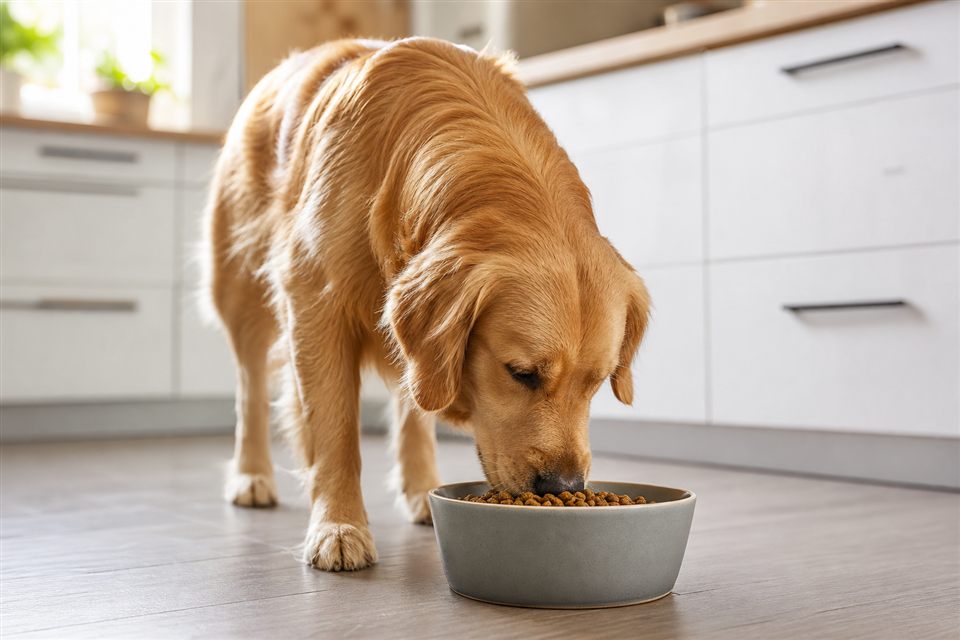
Claire's neighbor dropped off a bag of ripe figs from her backyard tree, and Claire's golden retriever, Murphy, had already swallowed one whole before she could react. She fished the stem out of his mouth and peeled the next fig, scraping out the seedy center. Murphy looked offended. She wanted to know whether the fruit itself was safe or whether she had just traded one worry for another.
Fresh fig flesh — with seeds removed or left in — is safe for most dogs in small amounts. Figs are high in natural sugar and fiber, which is where problems start. A bite or two rarely causes trouble. Several whole figs in one sitting commonly produce diarrhea within hours. The skin is edible but tougher; peeling reduces fiber load for sensitive dogs.
Key points at a glance
- Fresh fig flesh is safe in moderation for most healthy dogs.
- Seeds are small and soft — removing them is optional, not required for safety.
- High fiber and sugar mean overfeeding quickly causes loose stool or diarrhea.
- Avoid dried figs — they concentrate sugar and can cause intestinal blockage in large pieces.
- Fig stems and leaves contain sap that can irritate mouths and skin.
Fresh figs: what is actually risky
The flesh of ripe figs is not toxic to dogs the way grapes are. The danger is volume. Figs contain ficin, a proteolytic enzyme, and significant fiber. Both can loosen stool when eaten in quantity. Murphy eating one small fig is unlikely to cause drama. Murphy eating five from the bag on the counter is a different story.
Fig seeds are tiny and generally pass through. Removing them, as Claire did, slightly reduces fiber but does not change the sugar content much.
| Amount (medium fresh fig) | Likely effect for a 60-lb dog |
|---|---|
| 1/4–1/2 fig | Usually fine |
| 1 whole fig | Possible soft stool in sensitive dogs |
| 2–3 figs at once | Diarrhea likely within 12–24 hours |
| 4+ figs | Diarrhea, possible vomiting, gas |
Small dogs hit their limit faster. A half fig for a 15-pound dog equals Murphy eating two or three.
Dried figs are different
Dried figs pack more sugar per bite and are chewy enough to pose choking or partial obstruction risk if swallowed in large chunks. One dried fig equals several fresh ones in sugar and fiber. Keep dried figs out of reach — Murphy's counter-surfing habit makes them a particular hazard.
Stems, leaves, and sap
Fig plants produce a milky sap that can irritate a dog's mouth, gums, and skin. Rinse fig flesh if sap from the stem contacts it. Do not let dogs chew fig branches or leaves from backyard trees.
Introducing figs safely
Offer a thumbnail-sized piece first. Wait 24 hours and check stool. If your dog has diabetes, pancreatitis history, or chronic GI sensitivity, ask your vet before any fig treats. Figs should stay under 10% of daily calories — for most dogs, that means occasional bites, not daily fruit bowls.
The bottom line
Fresh figs with seeds removed — or left in — are fine as rare treats when portions stay tiny. Claire gives Murphy a corner of one fig after peeling away the stem, not a handful from the harvest bag. Push past one or two figs and diarrhea becomes the likely outcome, not poisoning. Save the bulk of the neighbor's gift for your own toast.
This article is for general information only and is not a substitute for advice from your veterinarian.