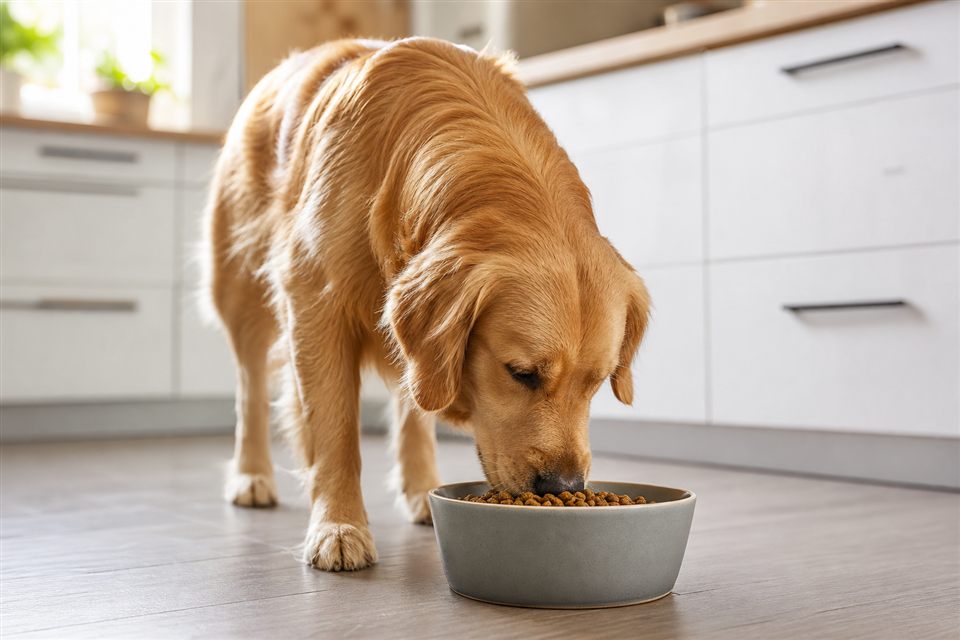
Eggs appear in countless homemade dog food recipes—and owners wonder whether cracking one into the bowl daily helps or harms. Cooked eggs provide digestible protein, fatty acids, and vitamins for many dogs when counted as treats within calorie limits. Raw eggs introduce salmonella exposure for dogs and humans handling bowls, plus avidin in raw whites may interfere with biotin absorption when fed excessively long term. Context—overall diet balance, pancreatitis history, and allergy status—guides safe use better than internet raw feeding absolutes.
Cooked Versus Raw Eggs
Scrambled, boiled, or poached eggs without butter, salt, or onion are safest for sharing. Cooking reduces bacterial contamination risk in kitchens with children or immunocompromised people. Raw egg enthusiasts cite coat benefits, yet evidence is anecdotal compared with balanced commercial diets already meeting amino acid needs. Occasional raw yolk differs from daily raw white-heavy feeding affecting biotin. Shells ground finely offer calcium but skew mineral balance if added unpredictably—consult nutritionists before shell supplementation.
How Many Eggs Per Week
Treat guidelines cap extras at ten percent of daily calories. One large egg roughly equals seventy calories—significant for a fifteen-pound dog, minor for a seventy-pound active dog. Many dogs tolerate one egg several times weekly; others develop soft stool or itching indicating sensitivity. Introduce half an egg first. Adjust kibble when eggs become regular. Overweight dogs need measured portions—not unlimited breakfast scraps.
Key Points
- Cooked plain eggs are safer than raw for most households.
- Count egg calories toward daily treat allowance.
- Raw whites in large amounts long term may affect biotin.
- Never feed eggs cooked with onion, garlic, butter, or salt.
- Food allergies may present as itch or GI upset after eggs.
- Eggs supplement meals—they do not replace balanced dog food.
Practical Tips
- Hard-boil batches weekly for quick training rewards.
- Chop eggs into kibble toppers measuring exact portions.
- Wash hands after handling raw eggs regardless of feeding choice.
- Discard shells unless veterinary nutritionists approve ground use.
- Monitor stool when introducing any new protein source.
When to Contact Your Veterinarian
Seek care for vomiting or diarrhea lasting over twenty-four hours after eggs, facial swelling suggesting allergy, or if you need homemade diet formulation beyond occasional toppers.
This article is for general educational purposes only and does not replace professional veterinary advice. Contact your vet if your pet shows ongoing symptoms.