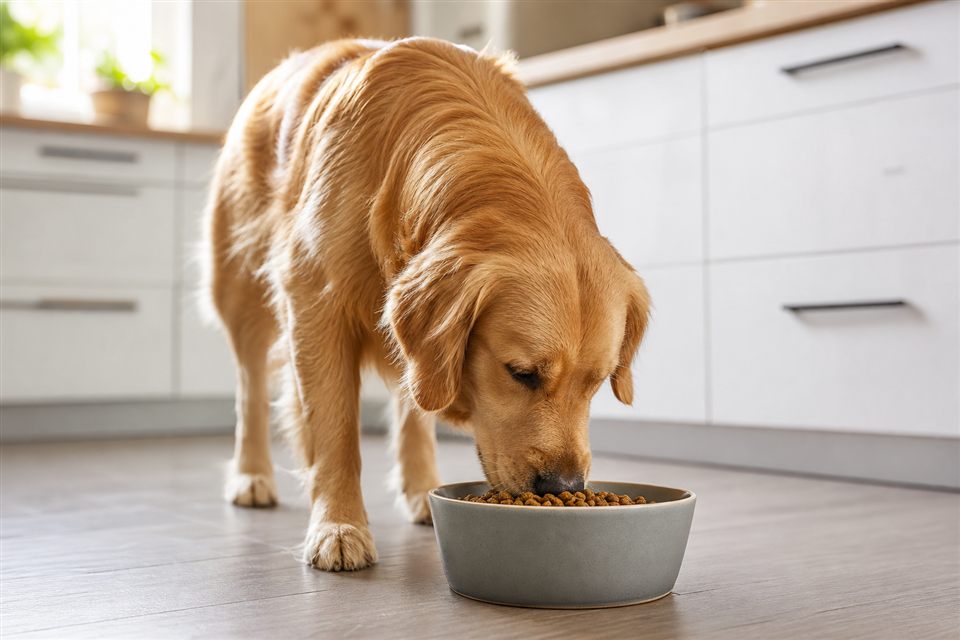
When Marcus sliced a plain steamed zucchini coin for his Labrador, Pepper, he watched her crunch through it like a green potato chip. She licked her lips, sat politely, and waited for another. He had read conflicting advice online and wanted to know whether this summer squash belonged in her bowl or should stay on his plate alone.
Key points at a glance
- Plain cooked zucchini with no salt, butter, oil, garlic, or onion is generally safe for most dogs.
- Zucchini is low in calories and high in water, making it useful for dogs on weight-management plans.
- Serve it in small pieces to reduce choking risk, especially for dogs who gulp food.
- Most dogs tolerate zucchini well, but too much fiber at once can cause soft stool or gas.
- Treats and extras like zucchini should stay below 10% of daily calories.
- A few tablespoons for a medium dog per day is a reasonable starting point; adjust based on tolerance.
- Always introduce new foods gradually over several days and watch for digestive upset.
What plain cooked zucchini offers nutritionally
Zucchini is mostly water with modest amounts of vitamin C, potassium, and fiber. It is not a protein source and will not replace balanced dog food. What it does provide is bulk without many calories, which helps owners who want to give their dog something crunchy at dinner without adding significant fat or sugar.
Cooking zucchini softens the flesh and breaks down some of the cell structure, which can make it easier to digest than raw zucchini for dogs with sensitive stomachs. Steaming or boiling without added fat keeps the calorie count low. Baking plain zucchini works too, as long as you skip oils and seasonings.
Dogs do not need vegetables the way humans do, but many tolerate them as occasional additions. Zucchini sits on the safer end of the vegetable spectrum for dogs because it lacks the toxic compounds found in onions, grapes, or macadamia nuts.
Why seasoning matters more than the vegetable itself
The zucchini is rarely the problem. Salt, garlic powder, onion flakes, butter, cheese sauces, and seasoned grill rubs are. Garlic and onion damage red blood cells in dogs even in small amounts over time. High sodium from salted cooking water or pre-seasoned mixes can contribute to excessive thirst and is risky for dogs with heart or kidney disease.
Marcus had nearly tossed Pepper a piece from his garlicky zucchini sauté before remembering the rule: her portion gets its own plain batch. That habit—cooking a dog-safe strip separately—prevents accidental seasoning exposure.
If you buy frozen zucchini, check the label. Many products include salt or herb blends. Plain frozen zucchini with no additives is fine once cooked; seasoned blends are not.
How much cooked zucchini is safe daily
Portion size depends on your dog's size, activity level, and overall diet. Zucchini should be treated as a treat or topper, not a meal replacement.
| Dog size | Suggested daily amount (plain cooked) | Notes |
|---|---|---|
| Small (under 20 lb) | 1–2 tbsp chopped | Start with less for first week |
| Medium (20–50 lb) | 2–4 tbsp chopped | Monitor stool consistency |
| Large (50–90 lb) | 1/4 to 1/2 cup chopped | Split across meals if preferred |
| Giant (90+ lb) | Up to 1/2–3/4 cup | Reduce if stool loosens |
These ranges assume your dog eats a complete commercial or vet-approved homemade diet and remains at a healthy weight. Overfeeding any vegetable can dilute the nutritional balance of the main diet and push calorie intake up if you add too many extras.
Pepper, at sixty-five pounds, did well with three tablespoons of steamed coins mixed into her kibble twice a week. When Marcus tried daily full-cup portions, her stool softened within forty-eight hours. He scaled back, and her digestion returned to normal.
Preparation tips that keep it safe
Wash zucchini thoroughly to remove surface dirt and wax. Remove the stem end. You can leave the skin on for most dogs; it adds fiber. If your dog has had pancreatitis or struggles with high-fiber foods, peel the skin and stick to the softer flesh.
Cut zucchini into bite-sized pieces appropriate for your dog's mouth. Whole coins can lodge in the throat of enthusiastic eaters. Mashing lightly cooked zucchini into food works for senior dogs with dental issues.
Let cooked zucchini cool before serving. Hot food can burn the mouth and esophagus. Discard leftovers that sit out for more than two hours at room temperature.
Avoid zucchini bread, fritters, or casseroles meant for humans. Those recipes typically include flour, sugar, eggs in large amounts, and seasonings that do not belong in a dog's diet.
When zucchini might not be a good fit
Some dogs react to sudden fiber increases with gas, bloating, or diarrhea. Dogs with inflammatory bowel disease, recent gastrointestinal surgery, or a history of pancreatitis should only get new foods with veterinary guidance.
Zucchini is low in oxalates compared to spinach, but dogs prone to calcium oxalate bladder stones still benefit from a consistent diet approved by their vet. Rarely, a dog may dislike the texture or refuse it entirely—there is no need to force it.
If your dog vomits, develops hives, or shows lethargy after eating zucchini, stop offering it and contact your veterinarian. True food allergies to zucchini are uncommon but possible.
The bottom line
Plain cooked zucchini with no seasoning is a safe, low-calorie snack for most healthy dogs when served in modest portions. Steam or boil it without salt, oil, garlic, or onion, chop it appropriately, and introduce it slowly. A few tablespoons daily for a medium dog is reasonable if stool stays firm and your dog enjoys it. Zucchini complements a balanced diet; it does not replace one.
This article is for general informational purposes and is not a substitute for professional veterinary advice. Consult your veterinarian before making significant changes to your dog's diet, especially if your dog has chronic health conditions.