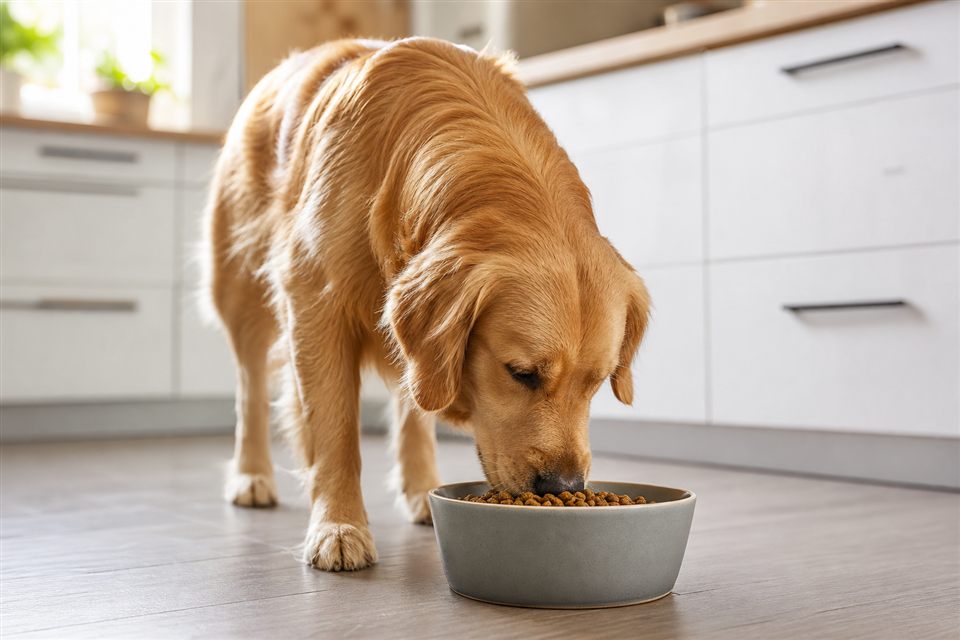
Raised feeding stands look ergonomic for Great Danes and other large breeds whose necks reach low bowls on the floor, yet research on gastric dilatation-volvulus commonly called bloat sends mixed messages owners find confusing. Some early studies suggested elevated bowls might increase bloat incidence in predisposed breeds; later interpretations emphasize genetics, anatomy, eating speed, and single large meals matter more than bowl height alone. For most dogs raised bowls are neutral convenience; for deep-chested breeds at high genetic risk veterinarians often recommend floor-level feeding with slow feeders unless specific medical conditions such as arthritis require elevation. Understanding bloat prevention priorities keeps equipment choices evidence-informed rather than trendy.
Bloat with stomach torsion is a life-threatening emergency requiring immediate surgery. No bowl product guarantees prevention. Slowing intake, avoiding vigorous exercise around meals, and knowing family history guide decisions more reliably than stand height marketing. Sections below summarize current practical consensus for large breed owners debating elevated feeders.
What research suggests about bowl height
A widely cited survey associated raised feeders with higher bloat risk in large and giant breeds, though correlation is not perfect proof. Veterinary gastroenterology discussions often advise floor-level bowls for Great Danes, Weimaraners, Standard Poodles, and similar deep-chested dogs unless orthopedic pain requires elevation. Dogs with megaesophagus genuinely need elevated feeding for swallowing safety; that medical indication differs from cosmetic stands for healthy giants.
Bloat risk factors beyond bowl height
Genetics and chest depth dominate susceptibility. Eating one large daily meal, gulping air with food, stress, and exercise immediately before or after eating increase danger. Older family dogs with bloat history suggest caution in relatives. Anxiety during feeding around competing pets speeds swallowing. Slow feeder bowls and puzzle mats address speed more directly than stands.
Questions owners ask most often
Should I throw away my elevated stand? For high-risk breeds many vets suggest trying floor feeding; ask yours with breed context. Do raised bowls help arthritis? Sometimes reduce neck strain; weigh orthopedic benefit against bloat discussion. Does wet food prevent bloat? Not proven; meal size and speed still matter.
Feeding practices that reduce gulping
Split daily calories into two or three smaller meals instead of one giant bowl. Use slow feeders, muffin tin spreading, or food-dispensing toys for kibble portions. Soak dry food lightly if veterinarian agrees to reduce air swallowing in speed eaters. Separate dogs during meals so competition does not accelerate intake. Rest thirty to sixty minutes before and after meals before vigorous play or runs.
Recognizing bloat emergency signs
Unproductive retching, swollen tight abdomen, drooling, restlessness, and collapse require immediate emergency clinic transport. Do not wait for morning if signs appear at night. Prophylactic gastropexy surgery is sometimes discussed for highest risk breeds during spay-neuter; ask your veterinarian about individual risk-benefit. Know nearest twenty-four-hour facility before crisis occurs.
Choosing bowl setup when your dog has arthritis
Large seniors with neck pain may need compromise between orthopedic comfort and bloat risk. Shallow wide bowls on floor with a raised platform under front paws only is one hybrid some owners discuss with veterinarians. Non-slip mats prevent sliding during eating. Elevated bowls purely for tidiness rarely justify potential risk in deep-chested young giants without medical need. Trial periods with video of eating speed help you and your clinic decide whether posture change helps or hurries swallowing.
Key Points
- Raised bowls are not proven to prevent bloat and may increase risk in some large breeds.
- Deep-chested breeds often feed safer at floor level with slow feeders.
- Medical conditions like megaesophagus genuinely need elevation for different reasons.
- Multiple small meals and slow eating matter more than stand height marketing.
- Bloat symptoms are emergency regardless of bowl type used.
Practical Tips
- Discuss breed-specific bloat risk and gastropexy at spay-neuter consults.
- Time meals away from intense fetch or agility sessions.
- Monitor body condition; obesity worsens many large breed health risks.
- Keep emergency vet number saved prominently on phone.
- Observe whether your dog eats slower on floor versus stand during trial weeks.
- Avoid sudden diet changes or fatty table scraps linked to gut upset.
Building a two-week action plan
Choose one or two changes from this article to implement this week rather than attempting every tip at once. Note your pet's baseline behavior on day one, then review progress on day fourteen with the same lighting and timing conditions when possible. Small consistent adjustments outperform dramatic overhauls that last only a few days. If you see no improvement after following veterinary guidance for two weeks, schedule a follow-up rather than switching randomly to unrelated internet advice that may confuse the underlying issue further.
First-time pet owners often search these symptoms late at night and worry unnecessarily or wait too long. When in doubt, call your veterinary team with a short video clip; many clinics offer nurse triage by phone. The guidance here supports informed conversations with professionals rather than replacing hands-on examination of your individual dog or cat.
When to call your vet
Treat unproductive retching, abdominal distension, or collapse as bloat emergency immediately. Schedule wellness discussions about feeding height, gastropexy, and slow feeder options for deep-chested puppies before they grow into adult feeding habits. Your veterinarian can personalize advice based on breed, orthopedic needs, and family history of gastric torsion.
Summary for busy owners
If you remember only a few points from this guide, keep these in mind: watch for patterns that repeat daily rather than one isolated incident, adjust home routines before buying expensive products, and contact your veterinary team early when behavior or appetite changes alongside the main symptom. Most problems improve fastest when medical causes are ruled out first and management stays consistent for at least two weeks before you declare an approach failed. Write down dates and take short videos so your next appointment covers facts rather than guesses.
This article is for general educational purposes only and does not replace professional veterinary advice. Contact your vet if your pet shows ongoing symptoms.