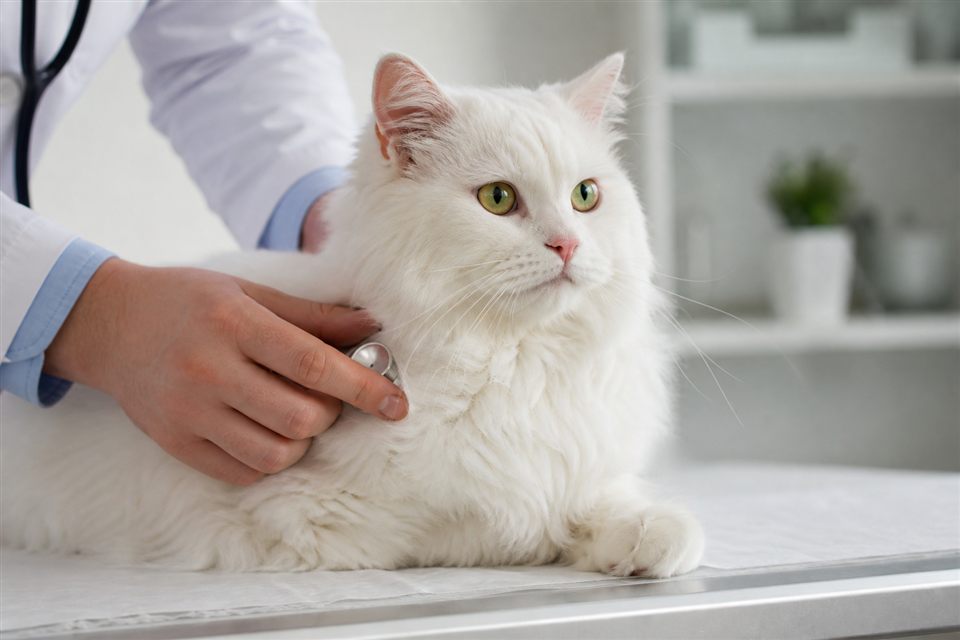
Litter box odor changes alarm owners when stool suddenly smells putrid despite unchanged cleaning routines. Diet transitions, rich treats, intestinal infections, malabsorption, and anal gland issues alter odor and consistency. Occasional soft stool after treat binge differs from persistent foul diarrhea with mucus or blood requiring prompt fecal testing. Cats mask illness; odor shifts sometimes appear before obvious lethargy.
Logging diet changes, treat introductions, and stool scores helps veterinarians narrow causes faster than vague descriptions at appointments. The sections below outline common benign triggers and red flags for infectious or inflammatory disease.
Diet and treat causes of sudden odor
New kibble brands, increased wet food richness, fish-heavy treats, or table scrap experiments change gut fermentation within forty-eight hours. Revert to previous diet for seventy-two hours while noting improvement. Introduce one change at a time thereafter. Rich gravy-only eating without solids may produce unusually foul soft stool until balanced intake returns.
Infectious and parasitic contributors
Giardia, coccidia, and bacterial overgrowth produce foul diarrhea sometimes with mucus. Indoor cats still acquire parasites from insects, new pets, or contaminated shoes. Fecal flotation and PCR panels detect organisms home observation cannot. Outdoor hunters may consume prey introducing pathogens regardless of pristine litter box habits.
Questions owners ask most often
Can new litter make stool smell worse? Litter affects box odor not stool biochemistry; stool change is internal. Does foul smell always mean infection? No; diet shifts are common; testing clarifies. Should I withhold food? Only under veterinary guidance; cats hepatic lipidosis risk with fasting.
When odor pairs with systemic illness signs
Weight loss, vomiting, decreased appetite, or straining in box elevate urgency. Blood or black tarry stool needs same-week minimum evaluation. Kittens dehydrate rapidly from diarrhea; lethargy with foul stool is emergency in young cats.
Stool logging and sample collection
Score stool daily using one-to-seven scale photos in consistent lighting. Collect fresh sample within twelve hours for vet visit in sealed container. Note parallel symptoms in housemates suggesting contagious cause. Bring treat and food labels when diet suspicion remains after revert trial.
Key Points
- Sudden foul odor often follows diet or treat changes within days.
- Persistent foul diarrhea with mucus or blood needs fecal testing.
- Cats should not fast without veterinary supervision due to liver risk.
- Log diet changes and stool photos before appointments.
- Kittens with foul diarrhea and lethargy need urgent care.
Practical Tips
- Revert to last stable diet after sudden odor change before adding new items.
- Introduce one treat or food change per week maximum.
- Scoop boxes twice daily so odor changes are noticed early.
- Wash litter scoops between cats if contagious diarrhea suspected.
- Bring stool sample refrigerated if cannot reach clinic same day.
- Discuss probiotic use with vet rather than random human products.
Building a two-week action plan
Choose one or two changes from this article to implement this week rather than attempting every tip at once. Note your pet's baseline behavior on day one, then review progress on day fourteen with the same lighting and timing conditions when possible. Small consistent adjustments outperform dramatic overhauls that last only a few days. If you see no improvement after following veterinary guidance for two weeks, schedule a follow-up rather than switching randomly to unrelated internet advice that may confuse the underlying issue further.
First-time pet owners often search these symptoms late at night and worry unnecessarily or wait too long. When in doubt, call your veterinary team with a short video clip; many clinics offer nurse triage by phone. The guidance here supports informed conversations with professionals rather than replacing hands-on examination of your individual dog or cat.
When to call your vet
Schedule visit if foul odor persists more than forty-eight hours after diet revert, if blood or mucus appears, or if appetite drops. Emergency care for kittens with diarrhea and weakness, or any cat straining without stool production. Your veterinarian can run fecal tests, recommend safe diets, and treat infections without guessing from odor alone.
Summary for busy owners
If you remember only a few points from this guide, keep these in mind: watch for patterns that repeat daily rather than one isolated incident, adjust home routines before buying expensive products, and contact your veterinary team early when behavior or appetite changes alongside the main symptom. Most problems improve fastest when medical causes are ruled out first and management stays consistent for at least two weeks before you declare an approach failed. Write down dates and take short videos so your next appointment covers facts rather than guesses.
This article is for general educational purposes only and does not replace professional veterinary advice. Contact your vet if your pet shows ongoing symptoms.