Owners sometimes find their cat sitting inside the litter box for ten or twenty minutes without producing urine, then leaving quietly or crying softly. Occasional long visits may reflect thorough digging preferences or constipation straining mistaken for urinary effort. Repeated box sitting with little or no urine output, especially in male cats, raises concern for feline lower urinary tract disease and life-threatening urethral obstruction. Cats hide pain well; subtle box lingering often precedes complete blockage when owners still assume constipation alone.
Video one bathroom session showing posture, vocalization, and whether urine clumps appear afterward. Bring that footage to appointments because vague timing descriptions delay critical care. The sections below separate behavioral habits from medical emergencies and outline home observation steps before you decide whether tonight can wait until morning.
Behavioral box sitting versus medical straining
Some cats enjoy extended digging rituals without pathology. Medical straining shows frequent box entries, little urine volume, crying, licking genitals, or choosing hard surfaces like bathtubs when box association becomes painful. Male cats straining without urine production need emergency evaluation immediately because obstruction can kill within hours. Female cats obstruct less often yet still suffer painful inflammation requiring prompt treatment.
Common medical causes behind prolonged box visits
Feline idiopathic cystitis inflames the bladder lining during stress episodes. Urinary crystals or stones block flow in some individuals. Constipation makes cats sit straining with confusing overlap signs. Arthritis pain makes entering and squatting difficult, causing aborted attempts that look like idle sitting. Urinary tract infections occur less commonly than inflammation yet still appear on urinalysis when symptoms persist.
Questions owners ask most often
How long is too long in the box? Repeated trips without clumps over six to twelve hours in male cats is urgent. Can stress cause this? Yes; stress cystitis is common indoors yet still needs veterinary care. Should I give more water? Hydration helps long term but does not replace exam when straining present.
Red flags requiring emergency care tonight
Repeated straining with no urine, vomiting, lethargy, hiding, or crying when touched along abdomen mandate emergency clinic visit. Do not wait for morning if male cat has not produced urine clump in over eight hours during known straining period. Partial blockage can progress suddenly. Bring cat in carrier without delaying for online forum advice when these signs cluster together.
Home monitoring before non-urgent appointments
Count box visits and note clump sizes for twenty-four hours. Offer wet food and fresh water stations away from food bowls to encourage drinking. Reduce household stressors such as new pets or litter brand changes temporarily. Never give human urinary pain medications; many are toxic to cats. Prescription diets and pain plans come after diagnosis not before.
Common mistakes to avoid
Assuming long box sitting is personality quirk in straining male cat delays lifesaving catheterization. Punishing cats for missing box ignores pain driving behavior. Changing litter daily without vet visit misses underlying inflammation. Giving cranberry supplements designed for humans without feline safety data. Waiting because cat still eats; blocked cats often still eat until crash phase.
Key Points
- Repeated litter box sitting without urine output is serious especially in male cats.
- Straining, crying, and genital licking elevate urgency beyond casual observation.
- Complete urethral obstruction is emergency requiring immediate veterinary care.
- Video sessions and clump logs help clinics prioritize same-day appointments.
- Stress management supports recovery but does not replace diagnosis when straining present.
Practical Tips
- Use unscented clumping litter to see tiny urine volumes clearly.
- Add extra litter boxes in multi-cat homes reducing territorial blocking.
- Place low-entry box for arthritic seniors struggling to squat.
- Keep carrier ready for night emergencies involving straining males.
- Log water intake approximately by measuring bowl refills daily.
- Discuss prescription urinary diets after urinalysis not before exam.
Building a two-week action plan
Choose one or two changes from this article to implement this week rather than attempting every tip at once. Note your pet's baseline behavior on day one, then review progress on day fourteen with the same lighting and timing conditions when possible. Small consistent adjustments outperform dramatic overhauls that last only a few days. If you see no improvement after following veterinary guidance for two weeks, schedule a follow-up rather than switching randomly to unrelated internet advice that may confuse the underlying issue further.
First-time pet owners often search these symptoms late at night and worry unnecessarily or wait too long. When in doubt, call your veterinary team with a short video clip; many clinics offer nurse triage by phone. The guidance here supports informed conversations with professionals rather than replacing hands-on examination of your individual dog or cat.
When to call your vet
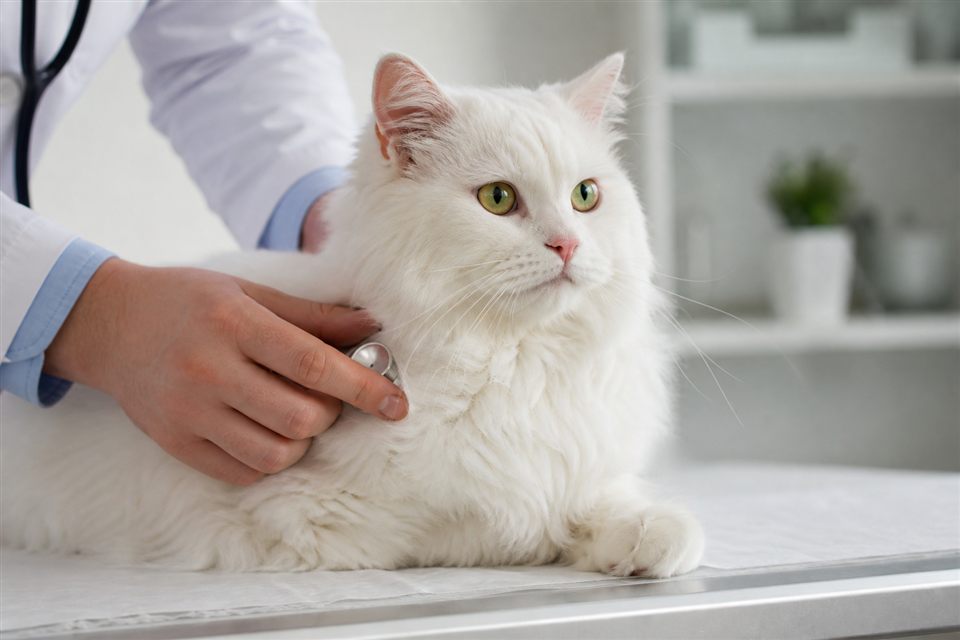
Emergency care immediately for male cats straining without urine, vomiting with box straining, or collapse. Same-day appointment for any cat with repeated box visits producing no clumps over twelve hours, blood in urine, or crying during elimination. Your veterinarian can palpate bladder size, run urinalysis, and relieve obstruction before kidney damage accumulates.
Summary for busy owners
If you remember only a few points from this guide, keep these in mind: watch for patterns that repeat daily rather than one isolated incident, adjust home routines before buying expensive products, and contact your veterinary team early when behavior or appetite changes alongside the main symptom. Most problems improve fastest when medical causes are ruled out first and management stays consistent for at least two weeks before you declare an approach failed. Write down dates and take short videos so your next appointment covers facts rather than guesses.
This article is for general educational purposes only and does not replace professional veterinary advice. Contact your vet if your pet shows ongoing symptoms.