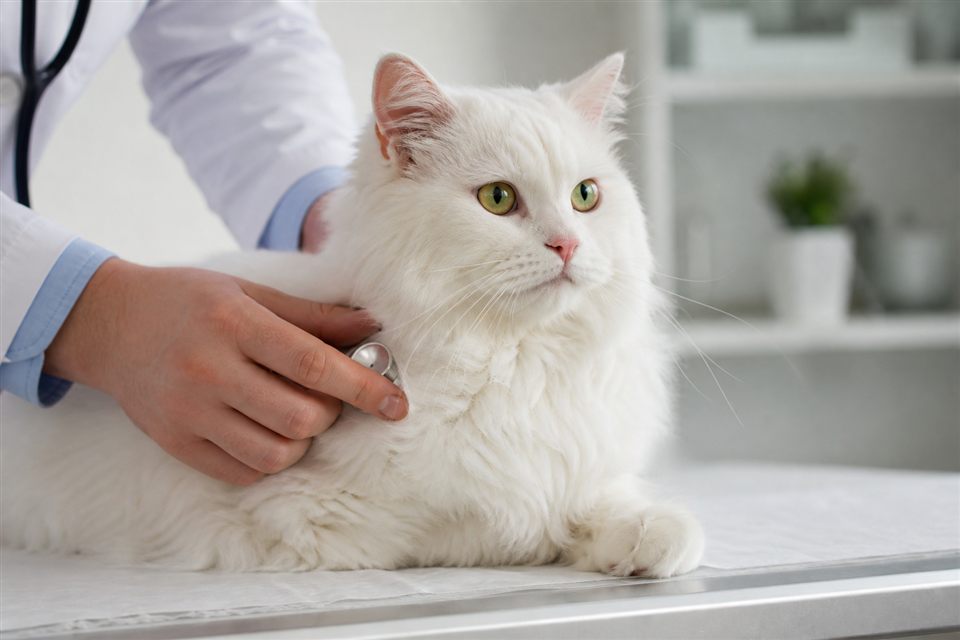
Every time Andre sat down to work, his senior cat, Gus, started the ritual — shake, scratch, shake again, then a hind leg scritch at the ear flap until it flipped inside out. Dark crumbly material appeared at the ear opening, and Gus had started avoiding head pets on the left side. Andre bought an over-the-counter "ear mite" drop at the pet store, but after a week Gus was worse, not better. Head shaking in cats always means the ear canal is irritated; the mistake is assuming mites without looking, because yeast and bacterial infections are more common in adult indoor cats and need different treatment.
Constant head shaking reflects itch, pain, or foreign sensation deep in the horizontal ear canal — a tube you cannot safely see into without an otoscope. Ear mites (Otodectes cynotis) are contagious parasites common in kittens and outdoor cats. Yeast (Malassezia) and bacterial otitis often follow allergies, moisture, or prior untreated inflammation in older cats like Gus. Treating the wrong organism wastes time and can leave a painful infection smoldering.
Key points at a glance
- Head shaking with ear debris needs veterinary otoscopic exam — owner guessing from crumb color alone is unreliable.
- Ear mites are more common in kittens, rescues, and cats in contact with infested animals; they produce dark crumbly wax and intense itch.
- Yeast infections smell sweet or musty, often with brown waxy buildup; bacterial infections may be purulent and foul.
- Over-the-counter mite products may not treat yeast or bacteria and can irritate an already inflamed canal.
- Untreated otitis can rupture the eardrum and cause chronic pain — early correct diagnosis matters.
Why Gus keeps shaking his head
The external ear canal in cats is L-shaped — vertical then horizontal — trapping wax, moisture, and organisms. Irritation activates scratch and shake reflexes. Causes include:
Otitis externa — Inflammation of the canal from yeast, bacteria, or both.
Ear mites — Parasites feeding on wax and oils; highly contagious cat to cat.
Foreign bodies — Grass awns rare indoors but possible.
Allergic skin disease — Food or environmental allergy manifesting as recurrent ear inflammation without obvious mites.
Polyps or tumors — Especially in older cats with one-sided chronic discharge.
Ear hematoma — Blood-filled swelling of the ear flap from violent head shaking; secondary to untreated otitis.
Gus is twelve, indoor-only, and was never a stray kitten — yeast or bacterial otitis secondary to allergy or anatomy beats mites on probability, though Andre's vet will confirm rather than assume.
Ear mites — what they look like and who gets them
Ear mites are tiny white parasites visible as moving dots on dark wax under magnification. They cause:
Profuse dark brown to black crumbly debris — Often described as coffee grounds.
Intense bilateral itch — Both ears usually affected though one may lead.
Crusts on pinna and neck — From scratching.
Contagion history — New kitten, recent shelter adoption, or contact with infested rabbits or ferrets.
Life cycle completes in about three weeks; eggs in environment reinfect if bedding is not washed. OTC mite drops contain various insecticides; some work, some irritate, and none treat yeast overgrowth that often coexists once trauma opens the canal to secondary infection.
Andre's week of OTC drops without improvement suggests either wrong diagnosis, resistant mites, or — more likely in Gus — yeast or bacteria requiring prescription medication after ear cytology.
Yeast infection — signs and distinguishing features
Malassezia yeast overgrows when the canal is moist, inflamed, or allergic. Typical clues:
Brown waxy discharge — Sometimes thick and paste-like rather than crumbly.
Sweet, musty, or "yeasty" odor — Owners notice smell before appearance.
Red, inflamed canal lining — Seen on otoscopy; painful.
Recurrence — Same ear flares every few months if underlying allergy is unmanaged.
Adult and senior predisposition — Especially with concurrent skin disease.
Yeast and bacteria frequently co-infect. Cytology — swabbing the canal and staining slides — shows yeast buds, bacteria rods or cocci, and inflammatory cells. That slide drives drug choice: antifungals for yeast, targeted antibiotics for bacteria, sometimes combo products.
Bacterial otitis and when things turn serious
Bacterial infection adds yellow-green purulent discharge, stronger foul odor, and significant pain. Pseudomonas and other resistant organisms appear in chronic or mistreated cases. Signs of deeper involvement:
Head tilt toward or away from painful ear
Balance loss or circling — Middle or inner ear extension.
Facial nerve paralysis — Drooping lip, third eyelid elevation on one side.
Horner's syndrome — Same-side pupil changes.
Deafness — Chronic damage to structures.
These are urgent veterinary concerns beyond simple head shaking. Gus avoiding pets on one side hints at pain localized to the left ear — Andre should not keep flushing with vinegar solutions or hydrogen peroxide from internet lists; both burn inflamed canals.
How the vet tells mites from yeast from bacteria
You cannot reliably differentiate at home with a flashlight. Professional exam includes:
Otoscopic visualization — Assess canal narrowing, polyps, tympanic membrane integrity.
Ear cytology — Microscopic identification of mites, yeast, bacteria.
Culture and sensitivity — For recurrent or resistant infections.
Allergy and dermatology workup — If otitis recurs bilaterally without mites.
Treatment matched to findings:
Mites — Prescription parasiticides (topical or systemic); treat all contact cats; clean environment.
Yeast — Antifungal ear drops; address underlying allergy.
Bacteria — Antibiotic drops chosen by cytology; oral antibiotics if severe.
Pain control — Essential; painful cats resist future ear care.
Ear cleaning technique matters — aggressive home cleaning without diagnosis can push debris deeper or rupture a weakened eardrum.
What Andre should do this week
Stop the OTC mite product until the vet sees Gus — continuing wrong treatment delays healing. Schedule an appointment promptly for head shaking lasting more than a few days, odor, discharge, or pain signs.
Until then: prevent Gus from scratching open the ear flap (soft nails trim, cone if needed), do not insert cotton swabs into the canal, and note whether one or both ears are involved.
If the ear flap suddenly swells like a pillow — aural hematoma — same-week surgical or medical drainage prevents permanent cauliflower deformity.
Long-term for recurrent otitis: discuss food trial, flea control, and maintenance ear cleaning schedule using vet-approved solutions only.
The bottom line
Constant head shaking means Gus's ear canal hurts or itches — ear mites, yeast, and bacteria top the list, but adult indoor seniors like Gus get yeast and bacterial otitis far more often than mites. Coffee-ground debris suggests mites; sweet-smelling brown wax suggests yeast; only cytology knows for sure. Andre's OTC mite gamble lost a week because treatment must match the organism under the otoscope. Get the slide, get the right drops, and treat the allergy loop if otitis keeps coming back — otherwise Gus will keep flipping his ear inside out through every work call.
This article is for general information only and is not a substitute for advice from your veterinarian.