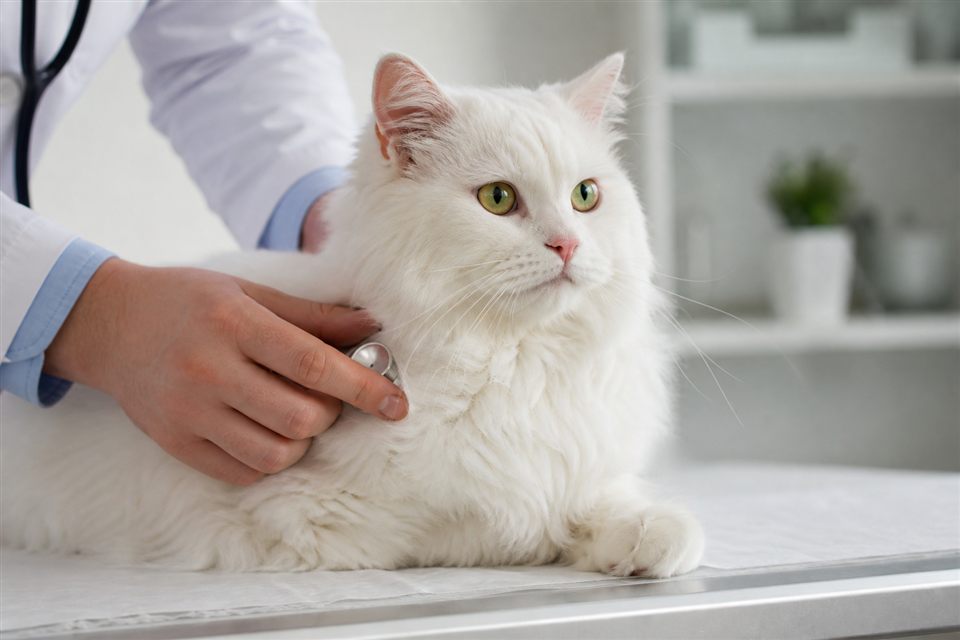
Omar noticed his eight-year-old cat, Cleo, had breath that smelled like rotten fish and gums that looked angry-red along the tooth line when she yawned during a sunbeam nap. Cleo still ate dry kibble and never pawed at her mouth. Omar assumed cats hid dental pain so well that red gums might not hurt — but he was wrong to equate "still eating" with "comfortable."
Red gums and bad breath in cats almost always indicate periodontal disease — inflammation and infection of the tissues surrounding teeth. Dental disease is painful even when cats continue eating; they adapt by chewing on one side, swallowing kibble whole, or choosing softer food without obvious complaint. By age three, most cats show some periodontal change. Untreated disease progresses to tooth loss, jaw bone erosion, and bacteria entering the bloodstream affecting heart and kidneys.
Key points at a glance
- Red gums (gingivitis) and foul breath are hallmark signs of feline dental disease.
- Dental disease is painful — cats rarely stop eating entirely but show subtle behavior changes.
- Most adult cats develop periodontal disease without routine dental care.
- Professional cleaning under anesthesia with dental X-rays is the standard effective treatment.
- Home tooth brushing helps prevent recurrence but cannot reverse established periodontal disease alone.
What causes red gums and bad breath?
Feline periodontal disease begins with plaque — a bacterial film on teeth. Minerals in saliva harden plaque into tartar, which irritates the gum line. The immune response produces inflammation:
Gingivitis — Red, swollen gums that bleed easily. Reversible with cleaning if caught early.
Periodontitis — Infection spreads below the gum line, destroying ligaments and bone holding teeth. Irreversible without extraction of affected teeth.
Stomatitis — Severe oral inflammation affecting broader mouth tissue. Painful and often requires advanced treatment.
Resorptive lesions — Common painful cavities at the gum line in cats. Often invisible without dental X-rays.
Bad breath comes from volatile sulfur compounds released by oral bacteria — not "normal cat breath."
Cleo's fishy odor and line of red gingiva at eight years old fit progressive periodontal disease.
Is dental disease painful for cats?
Yes — significantly. Cats evolved to mask pain as a survival strategy. Signs of oral pain are subtle:
- Chattering jaw when watching food or grooming
- Dropping kibble or chewing on one side
- Preference for soft food without previous preference
- Reduced grooming leading to matted coat
- Hiding, irritability, or reluctance to be touched on the head
- Pawing at mouth — less common than in dogs but occurs
Cleo eating dry food does not rule out pain. Many cats endure chronic dental ache silently for years.
What treatment actually works
Professional dental cleaning under anesthesia — Allows full tartar removal above and below the gum line, probing periodontal pockets, and dental radiographs to find hidden resorptive lesions and root disease. Anesthesia-free cleaning without X-rays misses the disease causing most pain.
Extractions when necessary — Removing severely diseased teeth eliminates source of pain. Cats eat better after extracting painful teeth — owners often report improved appetite and mood.
Home care after healing — Veterinary toothpaste and brushing, dental diets, or VOHC-approved products slow plaque return. Starting brushing in kittens is ideal; older cats can learn gradually.
Schedule a dental evaluation for drooling, facial swelling, or weight loss — not all mouth disease is routine tartar.
The bottom line
Cleo's red gums and fishy breath mean periodontal disease — and that condition hurts even when she still crunches kibble. Cats hide oral pain well, which leads owners to delay care until disease is advanced. Professional cleaning with X-rays and extractions as needed transforms comfort more than any treat or water additive. Omar should not wait for Cleo to stop eating; by then she has likely suffered for months. Dental care is not cosmetic — it is pain management.
This article is for general information only and is not a substitute for advice from your veterinarian.