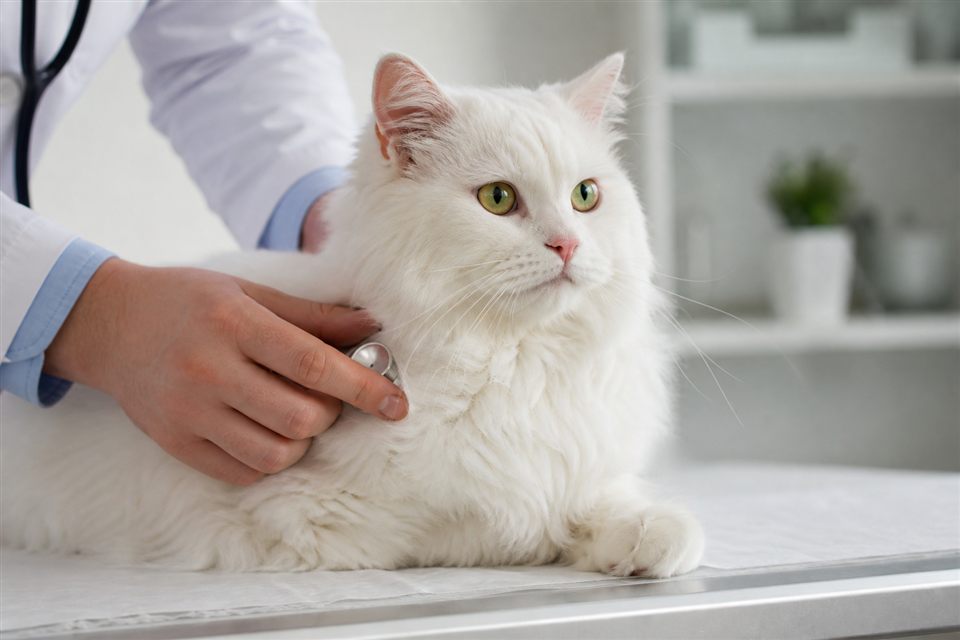
For a week, Jordan wiped clear droplets from the nose of her Persian, Pippin, after each sneeze — watery, not thick, with no yellow-green color and no fever when she checked his ears. Pippin ate normally and played with feather toys. Jordan wondered whether a clear runny nose without fever was allergies, a mild cold, or something that could wait.
Clear nasal discharge without fever often indicates mild upper airway irritation or early viral upper respiratory infection — common and sometimes self-limiting in cats with strong immune systems. Allergies, dry air, dust, and mild rhinitis also produce watery secretion. However, clear discharge can precede thicker infected mucus, and chronic clear dripping warrants investigation for chronic rhinitis, dental sinus disease, or polyps — especially in flat-faced breeds like Persians with narrowed nasal passages.
Key points at a glance
- Clear runny nose without fever is often mild rhinitis, viral URI, or environmental irritation.
- Many feline URIs start with clear discharge before turning thick or colored if secondary infection develops.
- Persians and other brachycephalic cats are prone to chronic nasal congestion and discharge.
- Monitor for progression: colored discharge, appetite loss, labored breathing, or lethargy.
- Chronic clear nasal drip lasting weeks needs veterinary rhinitis workup — not indefinite waiting.
What causes clear nasal discharge?
Watery nasal secretion differs from purulent (pus-filled) discharge in origin and often severity:
Viral upper respiratory infection — Feline herpesvirus and calicivirus cause sneezing and clear discharge in early or mild cases. Multicat households, shelters, and stress reactivation of herpes are common triggers. Fever may be absent in mild episodes.
Environmental irritation — Dust, litter dust, smoke, perfume, cleaning products, and dry winter air irritate nasal membranes. Discharge clears when exposure stops.
Allergic rhinitis — Less common than in dogs but occurs; seasonal patterns or new environmental allergens may fit.
Nasal anatomy — Persians, Himalayans, and Exotic Shorthairs have brachycephalic skull structure with narrowed nasopharynx. Chronic clear or mucoid discharge without infection is frequent.
Early bacterial rhinitis — Can begin watery before turning yellow-green.
Pippin's Persian conformation alone could explain chronic mild clear drip without fever.
Clear discharge versus concerning progression
| Status | Action |
|---|---|
| Clear discharge, normal appetite, active, sneezing mild | Monitor 5–7 days; reduce irritants |
| Discharge turns yellow-green or bloody | Vet visit |
| Open-mouth breathing or nasal congestion audible | Same-day vet |
| Eye discharge, ulcers, or squinting added | Vet visit — herpes flare common |
| Not eating, fever, or weight loss | Prompt vet |
| Clear discharge persisting beyond 2–3 weeks | Chronic rhinitis evaluation |
Absence of fever is reassuring but not definitive. Cats with URI may never spike a fever detectable at home.
What Jordan can try at home
Switch to low-dust litter. Avoid scented products near Pippin's resting areas. Run a humidifier in dry months. Reduce stress — herpes reactivation links to stress in carrier-prone cats. Wipe nose gently with warm damp cloth. Ensure hydration — wet food supports mucous membrane health.
Do not give human cold medications — many are toxic to cats. Chronic cases may need rhinoscopy or dental radiographs; antibiotics are not always needed for clear viral discharge.
The bottom line
Pippin's clear runny nose without fever is often mild — viral URI, irritation, or breed-related congestion in a Persian — and may resolve with supportive care and cleaner air. Jordan should not ignore weeks of dripping or any shift to colored discharge, breathing effort, or appetite loss. Clear today does not guarantee clear tomorrow; feline URIs frequently start watery and worsen before improving. Monitoring with a low threshold for vet contact suits stable bright cats; chronic clear drip in flat-faced breeds deserves professional rhinitis evaluation rather than endless tissue wiping.
This article is for general information only and is not a substitute for advice from your veterinarian.