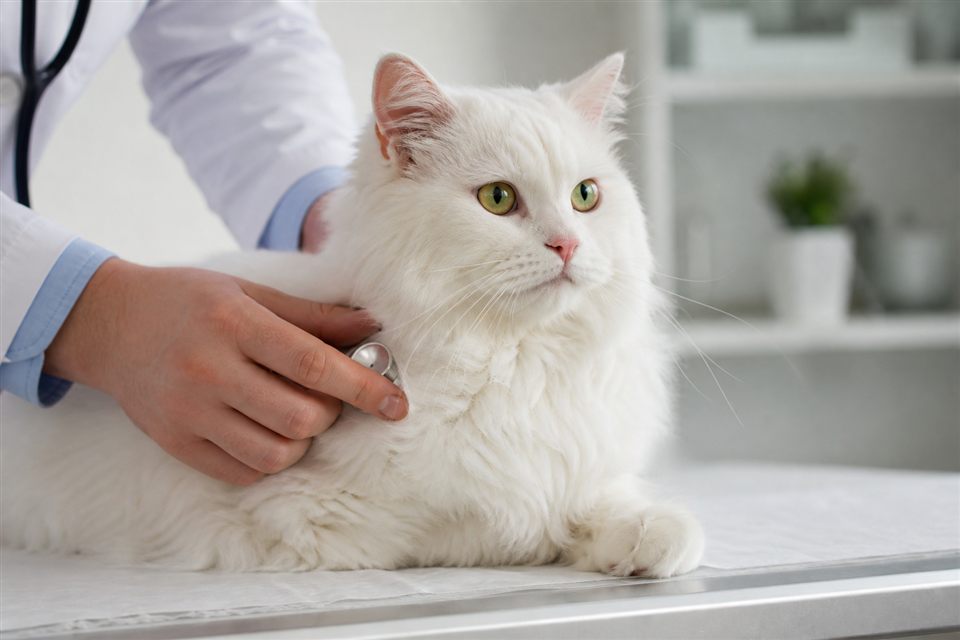
Sophie felt the bump before she saw it — a firm swelling on the lower edge of her cat Delilah's upper lip, right where the pink meets the fur. It looked like Delilah had a pout, or like someone injected a small sausage into her lip line. The skin was pink, not ulcerated, and Delilah ate wet food without obvious pain. Sophie searched "cat swollen lip" and kept landing on eosinophilic granuloma complex. The name is intimidating; the condition is common, chronic, and tied to allergic inflammation more often than to cancer.
A bump on the lip or chin in cats has a short list of frequent causes: eosinophilic granuloma (part of the eosinophilic granuloma complex, or EGC), chin acne, abscess from a bite, tooth root infection draining to the jaw, and less commonly tumors. EGC lesions classically appear as raised, linear or nodular swellings on the lips, chin, tongue, or hind legs — fueled by an overactive immune response often triggered by flea bites, food proteins, or environmental allergens.
Key points at a glance
- Eosinophilic granuloma often presents as a swollen lip, chin ulcer, or linear plaque — usually in young to middle-aged cats.
- The condition is inflammatory and allergic, not infectious; antibiotics alone rarely resolve it without addressing the allergy trigger.
- Chin bumps may be feline acne rather than EGC — comedones and blackheads distinguish acne from smooth granuloma swelling.
- Dental abscess can mimic lip swelling on one side with odor, drool, or reluctance to eat hard food.
- Diagnosis combines exam, cytology, response to treatment, and sometimes biopsy to exclude other diseases.
What eosinophilic granuloma complex includes
Veterinarians group three related presentations under EGC:
Eosinophilic granuloma (rodent ulcer) — Raised, yellow-pink swellings on the upper lip, lower lip, or chin; sometimes linear ridges on the hind thighs.
Eosinophilic plaque — Hairless, red, ulcerated patches usually on the belly or inner thighs; intensely itchy.
Indolent ulcer (eosinophilic ulcer) — Well-demarcated sores on the upper lip; edges look swollen and raised.
All three involve eosinophils — a type of white blood cell — infiltrating tissue in response to allergen exposure. Delilah's lip bump fits the granuloma or indolent ulcer pattern: firm, pink, on the lip margin, without the blackheads of acne.
How EGC differs from chin acne and infection
Feline chin acne — Blocked hair follicles with black specks resembling dirt; swelling is secondary to infection of plugged follicles. Mild cases look like pepper on the chin; severe cases form pustules.
Dental abscess — Often unilateral swelling under the eye or along the jaw; bad breath; painful on opening mouth. Lip-only swelling can occur with upper canine or premolar root abscess.
Fight wounds and abscesses — Sudden appearance after outdoor access; painful, warm, may rupture and drain pus.
Fibrosarcoma and squamous cell carcinoma — More common in older cats; lesions may ulcerate, bleed, and grow steadily over weeks regardless of treatment.
Mosquito bite hypersensitivity — Crusts and erosions on the nose and ears in outdoor cats seasonally.
Sophie's indoor-only Delilah with a gradual lip bump and no blackheads points toward EGC or less likely indolent ulcer. A vet can often suggest the diagnosis on appearance but should confirm with cytology — a needle sample showing eosinophils supports allergy and rules out some neoplasms.
Allergy triggers and why recurrence happens
EGC is a symptom of hypersensitivity, not a one-time infection. Common triggers:
Flea saliva — Even indoor cats get occasional fleas; one bite can flare EGC in sensitized cats.
Food proteins — Beef, fish, chicken, and dairy frequent offenders; elimination diet trial is standard workup.
Environmental allergens — Pollen, dust mites, mold; harder to eliminate entirely.
Genetic predisposition — Some cats flare repeatedly despite good management.
Treating only the bump with steroids shrinks it temporarily; without trigger control it returns — sometimes on the same lip, sometimes as a plaque elsewhere. Sophie should expect a multi-step plan, not a single injection cure.
Treatment and what Sophie should expect at the vet
Initial visit goals: confirm EGC versus acne, abscess, or tumor; start relief; plan long-term control.
Anti-inflammatory medication — Short corticosteroid courses or alternatives like cyclosporine reduce lesion size and discomfort.
Antibiotics — Used when secondary bacterial infection complicates acne or ulcerated lesions; not primary EGC therapy alone.
Flea control — Rigorous year-round prevention on all pets even if fleas are unseen.
Elimination diet trial — Eight to twelve weeks of a novel protein or hydrolyzed veterinary diet with zero other food, treats, or flavored medications.
Allergy testing and immunotherapy — For refractory environmental cases.
Biopsy — When lesion appearance is atypical, grows despite treatment, or occurs in a senior cat with risk factors for cancer.
At home: do not pick at the bump; prevent Delilah from rubbing it raw on bowls; use stainless steel or ceramic wide dishes; photograph weekly to track size. Switch to hypoallergenic diets only under vet guidance — partial changes invalidate elimination trials.
When to escalate urgency
Same-week appointment is fine for a non-ulcerated lip bump and normal eating. Seek faster care if:
The bump doubles in size within days
Ulceration, bleeding, or foul odor develops
Delilah stops eating or drools excessively
Fever, lethargy, or facial swelling spreads
Outdoor exposure with sudden painful swelling suggests abscess
The bottom line
A bump on Delilah's lip or chin could be eosinophilic granuloma — an allergic inflammatory lesion that looks dramatic but usually responds to proper allergy management rather than repeated antibiotics. Chin acne, tooth abscess, and cancer belong on the differential, which is why cytology or biopsy matters before assuming. Sophie found a classic EGC location; her vet's job is confirming eosinophils, ruling out mimics, and building a flea-plus-diet plan so the pout does not become a recurring seasonal feature.
This article is for general information only and is not a substitute for advice from your veterinarian.