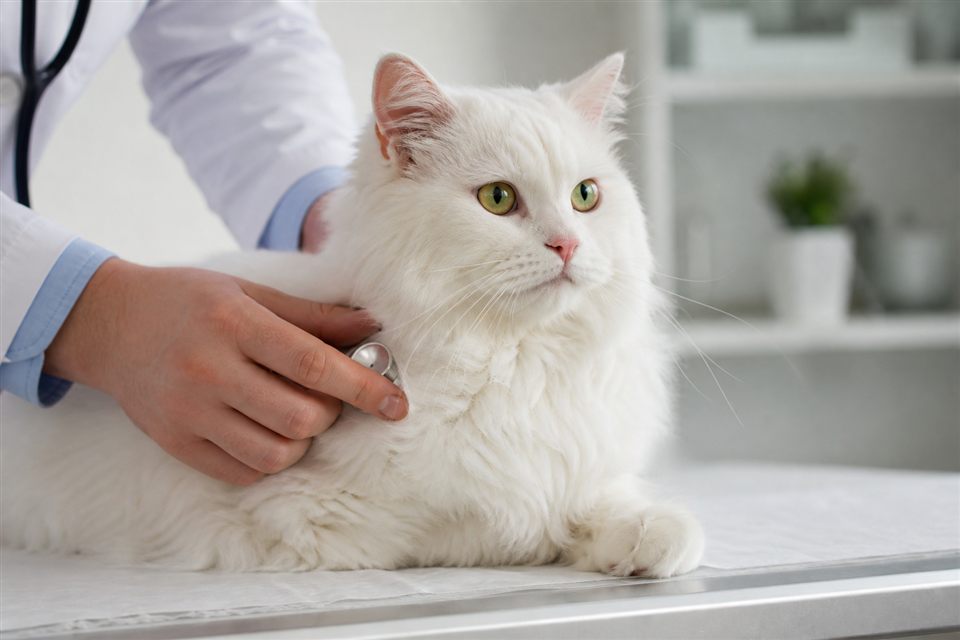
Fresh laundry, warm duvet, and then the unmistakable ammonia smell—cats peeing on beds triggers panic that pets act spitefully. In reality, bed urination usually signals medical illness, litter aversion, or stress—not revenge for skipped playtime. Urinary tract inflammation, crystals, and kidney disease cause urgency cats cannot reach boxes in time. Anxiety from new pets, schedules, or outdoor cats visible through windows drives marking on soft owner-scented surfaces. Fixing behavior requires veterinary rule-out first, then environmental and litter audits—not yelling after the fact.
Medical Causes to Rule Out First
Feline lower urinary tract disease produces frequent small urinations, straining, and blood. Male cats straining without output face emergencies. Kidney disease increases volume and accidents. Diabetes and hyperthyroidism alter habits. Arthritis makes climbing into high-sided boxes painful. Senior cognitive changes confuse location memory. Urinalysis and examination should precede assuming spite—treatment resolves many cases without behaviorists when caught early.
Environmental and Litter Fixes
Ensure box length one and a half times cat size, scooped daily, unscented clumping litter preferred by many cats. Place boxes in quiet accessible locations—not beside loud appliances. One box per cat plus one extra in multi-cat homes. Wash bedding with enzyme cleaner removing odor cues inviting repeat marking. Feliway diffusers help stress component alongside medical care. Never punish post-accident—cats link fear to owner not litter box.
Key Points
- Bed peeing usually indicates medical or stress issues—not spite.
- Veterinary urinalysis should happen before behavior-only assumptions.
- Male cats straining to urinate need emergency care immediately.
- Clean soiled bedding with enzymatic products eliminating scent markers.
- Litter box size, cleanliness, and location drive many fixable cases.
- New pets, moves, or schedule changes commonly trigger stress urination.
Practical Tips
- Temporarily block bedroom access while investigating causes.
- Photograph litter box habits and accident sites for vet appointments.
- Try larger open boxes if current ones feel cramped.
- Maintain consistent feeding and play routines reducing anxiety.
- Separate bullied cats during litter access in multi-cat tension homes.
When to Contact Your Veterinarian
Call emergency services for male cats unable to urinate. Book same-day visits for blood in urine, frequent straining, or sudden bed wetting in previously reliable cats.
This article is for general educational purposes only and does not replace professional veterinary advice. Contact your vet if your pet shows ongoing symptoms.