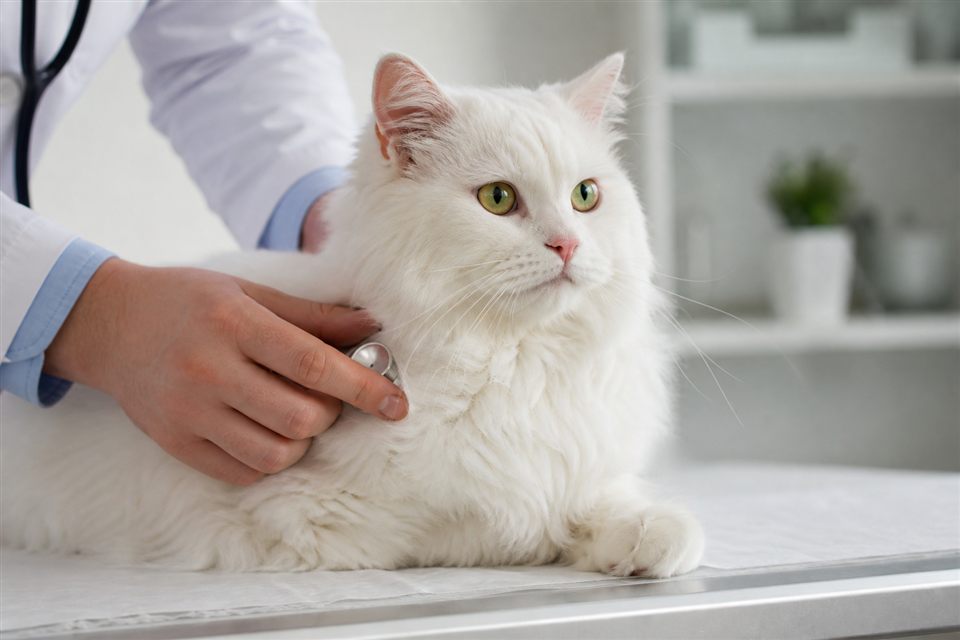
Cats are masters of disguise—illness often appears as silence under the bed rather than dramatic vomiting. When hiding pairs with refusing food, owners face a narrow window before complications escalate. Cats metabolize differently from dogs: even short fasting in overweight cats triggers hepatic lipidosis, a dangerous liver condition. Stress from household changes can suppress appetite briefly, but medical causes—including dental pain, urinary blockage in males, kidney disease, and infections—demand prompt evaluation. Knowing duration thresholds and accompanying signs separates watchful waiting from same-day emergency care.
Why Sick Cats Hide
Evolution taught felines to conceal vulnerability from predators. Pain and nausea drive retreat to dark quiet spaces. Owners may not notice reduced intake until meals sit untouched two days. Concurrent signs include lethargy, hunched posture, rapid breathing, drooling, or straining in litter boxes. Multi-cat homes may mask individual intake—separate feeding observations help. New furniture or visitors cause stress hiding without medical crisis, but appetite loss beyond twenty-four hours in adults still warrants professional contact.
When Hiding and Not Eating Is an Emergency
Male cats straining without urine production need immediate care—blockages kill within hours. Breathing difficulty, pale gums, collapse, or toxin exposure are emergencies regardless of hiding. Kittens under six months dehydrate faster than adults. Overweight cats skipping meals forty-eight hours risk liver fat accumulation. Repeated vomiting, blood in stool, or obvious pain on handling require same-day exams—not waiting for improvement over a weekend.
Key Points
- Adult cats skipping meals over twenty-four hours need veterinary contact.
- Overweight cats fasting forty-eight hours risk hepatic lipidosis.
- Hiding alone can be stress; hiding plus anorexia suggests illness.
- Straining to urinate in male cats is a life-threatening emergency.
- Separate cats at mealtime to confirm who is eating.
- Video hiding spots and intake logs help triage phone consultations.
Practical Tips
- Offer warmed wet food in quiet low-traffic rooms during recovery attempts.
- Use baby scales weekly to detect subtle weight loss early.
- Reduce household chaos when introducing new pets or renovations gradually.
- Never force-feed without veterinary guidance—aspiration risk exists.
- Keep carrier accessible so stressed cats associate it with calm, not only vet panic.
When to Contact Your Veterinarian
Call emergency services for urinary straining, breathing distress, or collapse. Book same-day appointments for no food over twenty-four hours, combined lethargy, or repeated vomiting—even if hiding continues.
This article is for general educational purposes only and does not replace professional veterinary advice. Contact your vet if your pet shows ongoing symptoms.