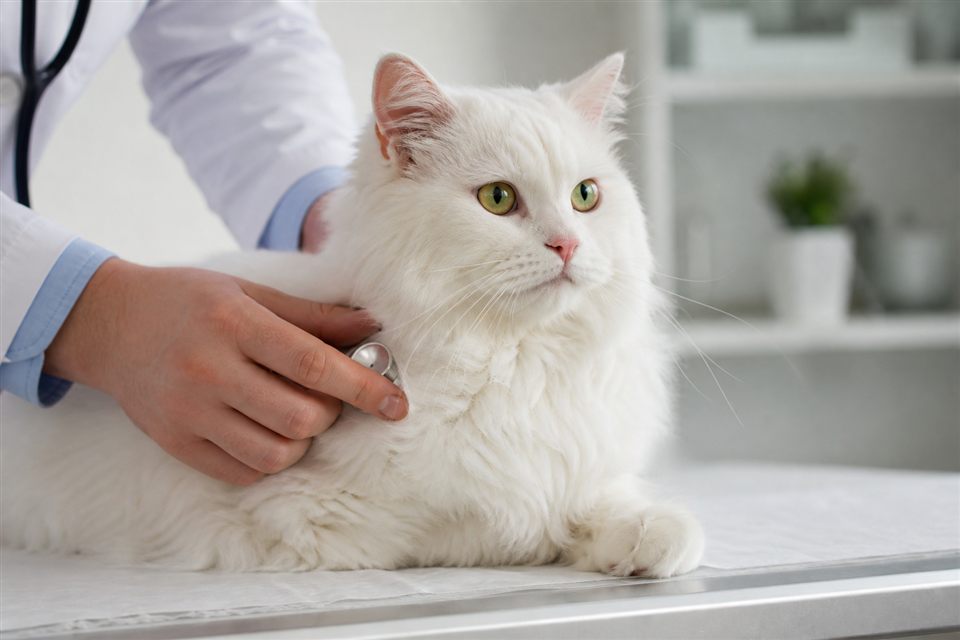
Owners of cats that never go outdoors often assume vaccines become optional once kitten series finish. Indoor life reduces exposure to some pathogens but does not eliminate risk. Rabies vaccination is legally required in many United States municipalities regardless of lifestyle because bats enter homes and bite cases occasionally involve strictly indoor cats. Upper respiratory viruses can travel on clothing, through screen doors, or during veterinary visits. Understanding which vaccines remain core, which are situational, and how often adult boosters occur helps you make informed decisions with your veterinarian rather than skipping appointments entirely or over-vaccinating without plan.
Vaccine protocols evolve with geography, product type, and individual health. Cats with chronic illness, history of vaccine reactions, or advanced age may receive extended intervals or titre testing where appropriate. The overview below describes common North American practice patterns; your clinic adapts to local law and your cat's exposure to other cats in the household or boarding situations.
Core vaccines most indoor cats receive
FVRCP combines feline viral rhinotracheitis, calicivirus, and panleukopenia protection. Kitten series ends around sixteen weeks with boosters one year later, then many clinics continue every one to three years depending on product label and risk. Panleukopenia virus survives in environment and can enter homes on shoes. Rabies laws vary by state; one- or three-year licensed products exist. Even indoor cats benefit because escaped cats, wildlife, and legal requirements intersect unpredictably.
Non-core vaccines to discuss case by case
Feline leukemia virus vaccination is generally recommended for cats that contact unknown cats or live with FeLV-positive housemates. Strictly solo indoor cats with no new cat introductions may skip FeLV after kittenhood per many protocols, but boarding or future adoption changes the calculation. Chlamydia and Bordetella vaccines target shelter or multicat outbreak settings more than typical solitary indoor homes. FIP vaccine is not routinely recommended in general practice due to limited efficacy debate.
Boarding travel and legal context for rabies
Boarding kennels and cat sitters often require proof of current rabies and FVRCP even for indoor cats. Travel across state lines may involve health certificate rules separate from daily lifestyle. Document vaccine dates in a phone photo of the certificate for emergencies. If a bat is found in the bedroom, public health authorities may require rabies testing of the bat or quarantine guidance for exposed pets regardless of indoor status.
Discussing titre testing with your veterinarian
Some owners prefer antibody titre tests for components such as panleukopenia to guide booster intervals. Not all clinics offer titres, and results interpretation varies by lab. Rabies titre does not replace legal vaccination documentation in most jurisdictions. Open conversation with your vet about risk tolerance beats skipping wellness visits entirely out of vaccine anxiety.
Questions owners ask most often
My cat never leaves the apartment; is rabies overkill? Legal requirements and rare bat exposure still justify rabies in most US areas. Can vaccines make my indoor cat sick? Mild lethargy for a day can occur; report repeated vomiting or facial swelling immediately. Do indoor cats need flea prevention? Separate from vaccines but often recommended if dogs or humans carry fleas indoors.
Key Points
- Indoor status lowers but does not zero out infectious disease risk.
- Rabies vaccination often satisfies legal compliance separate from medical risk alone.
- New kitten or cat introductions restart exposure considerations for leukemia vaccine.
- Vaccine reactions are uncommon but report prior episodes before boosters.
- Wellness exams paired with vaccines catch dental and weight issues early.
Practical Tips
- Bring prior vaccine records when switching clinics to avoid unnecessary repeats.
- Schedule visits when your cat is healthy; sneezing cats may delay vaccination.
- Use acclimated carriers and Feliway if vet stress is high before skipping visits entirely.
- Ask about three-year rabies products if annual visits are stressful and law allows.
- Discuss titre testing options if you prefer measured immunity for some components.
- Boarding facilities often require current FVRCP and sometimes FeLV regardless of indoor life.
First-time pet owners often search these symptoms late at night and worry unnecessarily or wait too long. When in doubt, call your veterinary team with a short video clip; many clinics offer nurse triage by phone. The guidance here supports informed conversations with professionals rather than replacing hands-on examination of your individual dog or cat.
When to call your vet
Schedule a wellness consultation to build a personalized vaccine plan rather than assuming all indoor cats share identical needs. Seek urgent care if your unvaccinated or partially vaccinated cat contacts a bat or wild animal. Your veterinarian balances local rabies law, household cat density, and individual health to set intervals that protect your cat without redundant injections.
Building a two-week action plan
Choose one or two changes from this article to implement this week rather than attempting every tip at once. Note your pet's baseline behavior on day one, then review progress on day fourteen with the same lighting and timing conditions when possible. Small consistent adjustments outperform dramatic overhauls that last only a few days. If you see no improvement after following veterinary guidance for two weeks, schedule a follow-up rather than switching randomly to unrelated internet advice that may confuse the underlying issue further.
Summary for busy owners
If you remember only a few points from this guide, keep these in mind: watch for patterns that repeat daily rather than one isolated incident, adjust home routines before buying expensive products, and contact your veterinary team early when behavior or appetite changes alongside the main symptom. Most problems improve fastest when medical causes are ruled out first and management stays consistent for at least two weeks before you declare an approach failed. Write down dates and take short videos so your next appointment covers facts rather than guesses. Bookmark this page and share specific sections with family members so everyone follows the same plan.
This article is for general educational purposes only and does not replace professional veterinary advice. Contact your vet if your pet shows ongoing symptoms.