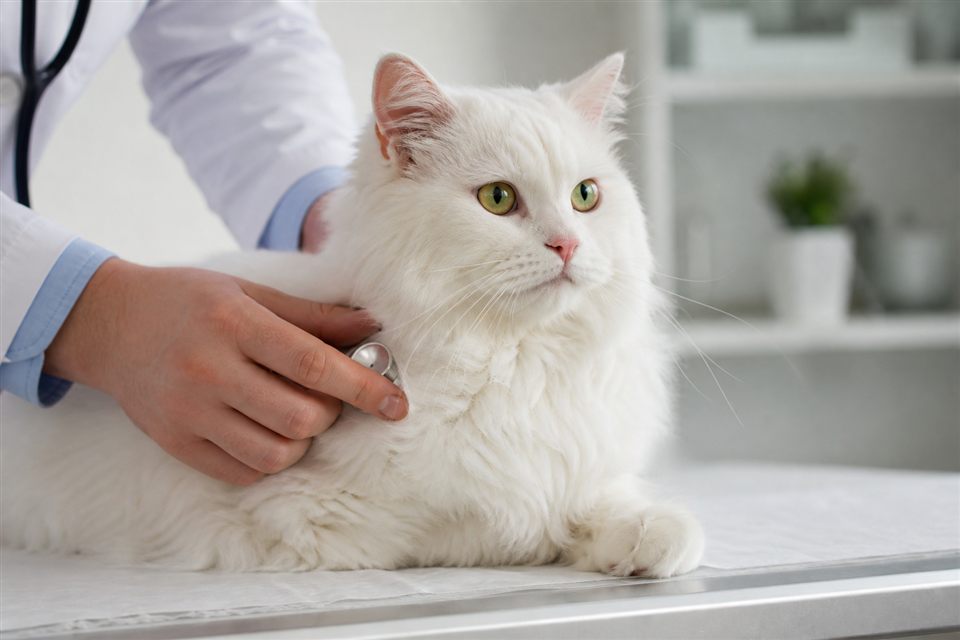
Vomiting, soft stool, and picky eating plague many cats—often blamed on hairballs or stress. When three organ systems inflame together—small intestine, liver, and pancreas—veterinarians call the overlapping syndrome feline triaditis. The name sounds intimidating because diagnosis and treatment are genuinely complex. Inflammatory bowel disease, cholangitis, and pancreatitis share symptoms and may coexist, making home guessing unreliable. Understanding common signs helps owners seek care sooner rather than cycling diets endlessly while weight silently drops.
What Triaditis Involves
Triaditis is not one germ but a triangle of inflammatory conditions frequently found together in sick cats. Pancreatitis inflames digestive enzymes; cholangitis affects bile ducts and liver; IBD irritates intestinal lining. Each causes vomiting, appetite loss, and lethargy individually—combined, symptoms persist or recur after brief improvement. Middle-aged and older cats appear overrepresented. Siamese and other breeds may show higher IBD prevalence. Definitive diagnosis often requires blood work, ultrasound, and sometimes biopsy under anesthesia—worthwhile when symptoms become chronic.
Key Points
- Chronic vomiting, diarrhea, and weight loss together warrant thorough workup.
- Triaditis mimics hairballs, food allergy, and simple pancreatitis alone.
- Diagnosis usually combines lab tests, imaging, and sometimes biopsy.
- Treatment may include diet trials, antibiotics, steroids, or immunosuppressants per vet plan.
- Early intervention improves comfort and reduces malnutrition.
- Never withhold food from vomiting cats for days without veterinary guidance.
Symptoms Owners Should Track
Document frequency of vomiting—hairball versus food versus bile. Note stool consistency changes and weight on a kitchen scale weekly. Lethargy, decreased grooming, and yellow-tinged gums or ears suggest liver involvement needing urgent evaluation. Appetite fluctuations and lip smacking after meals appear in pancreatic pain. Share a symptom timeline with your vet rather than only the latest episode. Bring diet history including treats and human food slips.
Practical Tips
- Photograph vomit appearance only if safe—descriptions help clinicians.
- Feed easily digestible vet-prescribed diets during workup—not random switches.
- Keep a single-page medication and supplement list including fish oils.
- Minimize stress during vet visits with familiar carrier bedding.
- Follow recheck schedules even when symptoms briefly improve.
When to Contact Your Veterinarian
Schedule appointments for vomiting more than twice weekly, ongoing diarrhea, or measurable weight loss. Emergency care is needed for jaundice, collapse, or vomiting blood. Triaditis management is long-term partnership with your clinic—not a one-dose fix.
This article is for general educational purposes only and does not replace professional veterinary advice. Contact your vet if your pet shows ongoing symptoms.