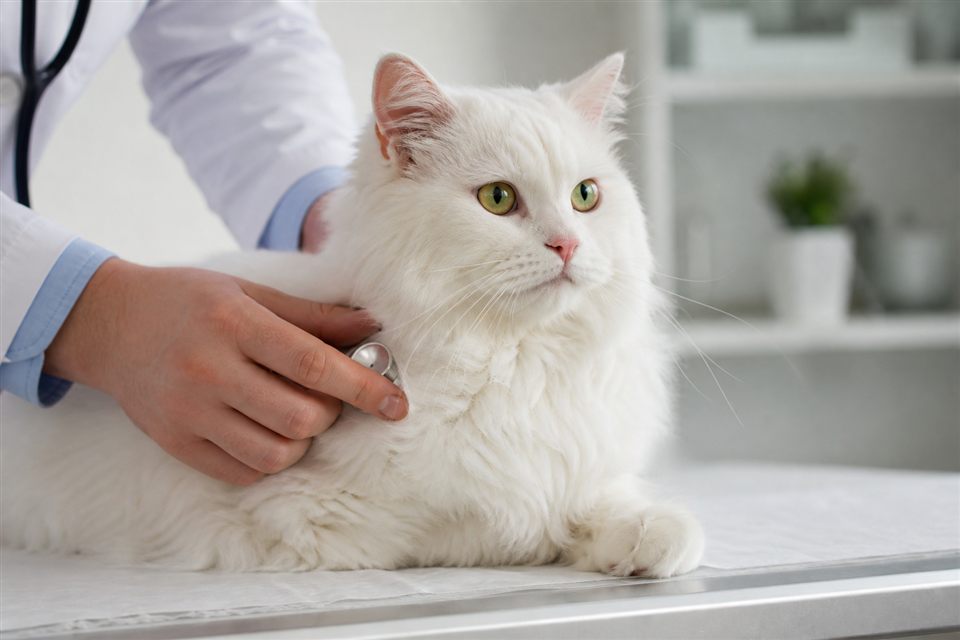
Indoor life reduces but does not eliminate parasite exposure—flies, fleas hitchhiking on dogs, raw prey, or soil on shoes introduce worms. Routine deworming schedules depend on lifestyle, hunting behavior, and regional prevalence veterinarians know best. Tapeworms link directly to flea ingestion requiring flea control simultaneously. Roundworm segments occasionally appear in stool or bedding alarming owners. Heartworm prevention differs geographically—indoor cats in endemic areas still need protection per veterinary guidance. Assuming indoor status eliminates risk leaves cats and occasionally humans vulnerable to preventable parasites.
Recommended Deworming Frequency
Kittens need deworming every two weeks until eight weeks then monthly until six months per standard protocols. Healthy adult indoor cats often receive broad-spectrum deworming one to two times yearly during wellness exams unless hunting rodents. Outdoor or flea-exposed cats need more frequent schedules plus monthly flea prevention breaking tapeworm cycles. Products vary—over-the-counter options may miss species veterinarians target with prescription combinations. Never use dog dewormers on cats—ingredients like permethrin kill felines.
Signs Your Cat May Have Worms
Rice-like tapeworm segments near anus or bedding. Visible spaghetti-like roundworms in vomit or stool rarely. Weight loss despite appetite, dull coat, or potbelly in kittens. Scooting sometimes reflects tapeworm irritation though anal glands also cause scooting. Coughing in heavy roundworm burdens occasionally. Many infections show no obvious signs—routine prevention beats waiting for visibility.
Key Points
- Indoor cats still need regular deworming per veterinary schedule.
- Tapeworms require flea control simultaneously—worms alone recur.
- Kittens need more frequent deworming than healthy adult indoor cats.
- Never use dog parasite products on cats—many are toxic.
- Visible worm segments confirm infection but absence does not rule parasites out.
- Submit stool samples during annual exams when veterinarians recommend screening.
Practical Tips
- Apply monthly cat-safe flea prevention year-round in multi-pet homes.
- Wash bedding after visible tapeworm segments appear.
- Prevent rodent access if cats hunt in garages or basements.
- Record deworming dates on phone calendar aligning with vet visits.
- Discuss heartworm prevention even for indoor cats in endemic regions.
When to Contact Your Veterinarian
Schedule visits for visible worms, persistent diarrhea, or weight loss. Seek care if wrong species dewormer accidentally applied causing drooling or tremors.
This article is for general educational purposes only and does not replace professional veterinary advice. Contact your vet if your pet shows ongoing symptoms.