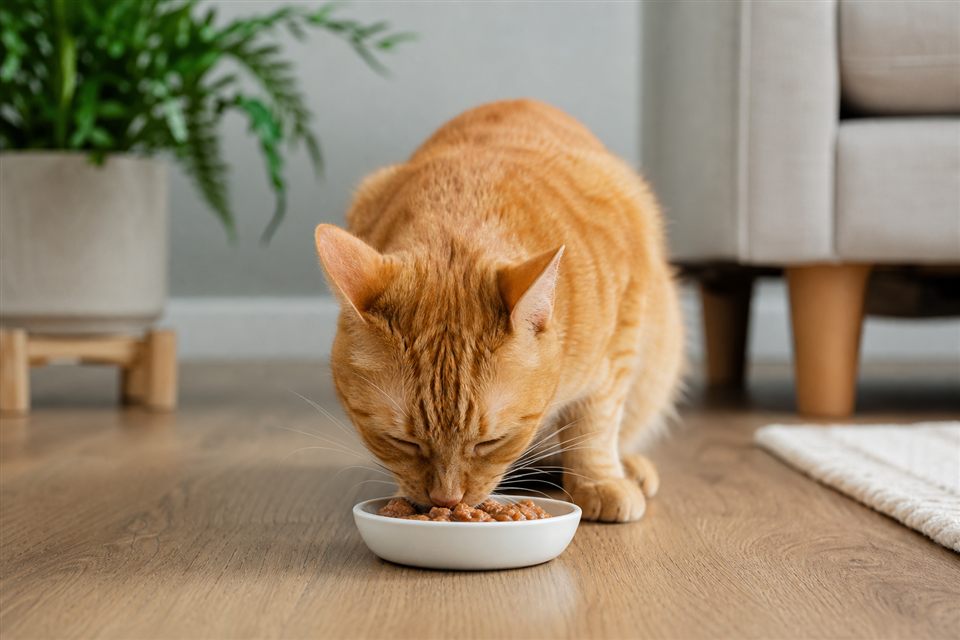
Many cats eat dry kibble happily for years, then turn up their nose when owners try canned food for hydration, weight management, or veterinary recommendations. Refusal is not always stubbornness—cats develop strong texture and aroma preferences early in life, and sudden format changes can feel threatening. A successful transition uses patience, small steps, and environmental calm rather than hunger strikes. Never withhold food for days to force acceptance; cats can develop hepatic lipidosis when calorie intake drops. The goal is gradual acceptance of wet food as part of a balanced diet, sometimes mixed with kibble long term rather than an all-or-nothing switch.
Why Some Cats Reject Wet Food
Dry food’s crunch, bowl temperature, and fat coating differ sharply from cold pâté straight from the refrigerator. Cats also notice dish location, bowl material, and competition from housemates. Dental discomfort can make certain textures painful even when kibble still works. Previous nausea after a diet change creates food aversion linked to smell. Medical issues—sinus congestion, kidney disease altering appetite—should be ruled out if refusal is new. Offer a wellness check before blaming pickiness.
Wet food increases total water intake, benefiting urinary health in many indoor cats. Your veterinarian may recommend higher wet ratios for weight loss, diabetes, or kidney support—making transition skills worth the effort.
Key Points
- Transition over two to four weeks minimum; sensitive cats need longer.
- Warm wet food slightly to release aroma—test temperature on your wrist.
- Start with mousse, gravy, or tuna-topper textures similar to treats they already like.
- Place a teaspoon beside kibble before mixing ratios change.
- Use shallow wide dishes to avoid whisker fatigue at the bowl edge.
- Never starve a cat to force wet food acceptance.
Step-by-Step Transition Plan
Week one: offer a pea-sized amount of wet food on a separate plate next to the usual kibble at the same scheduled mealtime. Praise calmly if they lick; ignore refusal without replacing kibble. Week two: mix a teaspoon of wet into kibble or crumble kibble on a thin wet layer if they show interest. Week three: increase wet proportion to one-quarter of calories if stool remains normal. Week four onward: shift toward half wet or veterinarian-target ratio. If they balk, return to the last successful step for several days. Try multiple proteins—chicken, turkey, fish—to identify preference without changing brands daily. Automatic feeders dispensing kibble only can undermine progress; pause them during transition. In multi-cat homes, separate feeding stations prevent one cat from blocking another’s trial bowl.
Practical Tips
- Rinse bowls thoroughly; soap residue and plastic scratches alter taste.
- Add warm water or low-sodium broth only if your vet approves.
- Discard uneaten wet food within one to two hours at room temperature.
- Track weight weekly during transitions to ensure adequate calories.
- Ask your vet about palatable prescription textures if medical diets are required.
When to Contact Your Veterinarian
Seek care within twenty-four hours if your cat eats nothing, vomits repeatedly, or loses weight during a food change. Same-day attention is warranted for male cats straining to urinate while eating less. Your veterinarian can recommend appetite stimulants or alternative formulations without risking fatty liver disease.
This article is for general educational purposes only and does not replace professional veterinary advice. Contact your vet if your pet shows ongoing symptoms.