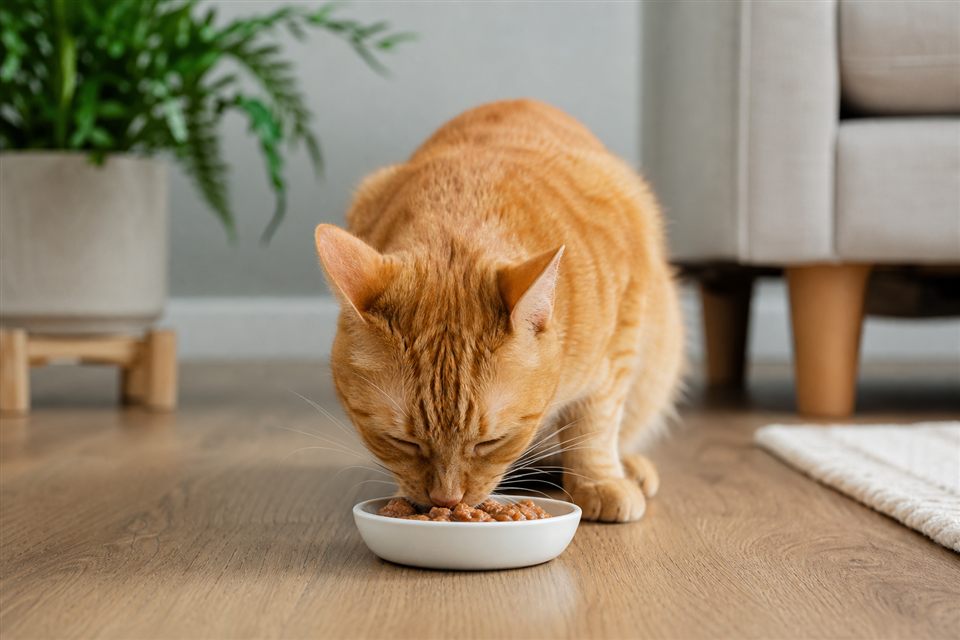
Cats are obligate carnivores requiring substantially more dietary protein than dogs or humans—yet bag labels confuse owners with percentages, dry matter conversions, and marketing claims. Adult maintenance cats generally need minimum crude protein around twenty-six percent dry matter per AAFCO standards, though many veterinarians prefer higher levels in quality commercial foods. Wet food moisture dilutes label percentages requiring dry matter calculation comparing fairly. Senior and kidney disease cats may need modified protein under veterinary supervision—not arbitrary restriction without diagnosis. Protein quality and digestibility matter alongside percentage numbers on bags.
Reading Protein on Labels
Guaranteed analysis lists minimum crude protein as-fed including moisture in wet food—direct percentage comparison misleads. Dry matter basis removes water comparing kibble thirty-two percent to canned ten percent fairly when both meet cat needs. Animal-source proteins should dominate ingredient lists for obligate carnivores. Plant proteins alone inadequately supply essential amino acids including taurine supplemented properly in complete foods. Look for AAFCO statement confirming nutritional adequacy for adult maintenance or all life stages.
Life Stage and Medical Exceptions
Healthy adults thrive on quality high-protein complete diets wet, dry, or combination. Kittens need growth formulas higher protein and calories. Senior cats without kidney disease often maintain high protein preventing muscle loss sarcopenia. Chronic kidney disease stages may require therapeutic renal diets with controlled phosphorus and modified protein—individualized by veterinarian not internet trends. Diabetic cats benefit from high-protein low-carbohydrate wet-focused plans per veterinary guidance.
Key Points
- Cats require higher protein than dogs throughout adult life typically.
- Compare labels using dry matter basis between wet and dry foods.
- Complete commercial foods must supply adequate taurine automatically.
- Kidney disease protein changes need veterinary prescription—not owner guesswork.
- Protein quality from animal sources matters not percentage alone.
- AAFCO adequacy statement confirms complete nutrition for life stage.
Practical Tips
- Ask veterinarian to calculate dry matter protein comparing your brands.
- Increase wet food proportion supporting hydration alongside protein intake.
- Avoid homemade high-protein diets without board-certified formulation.
- Monitor weight and muscle over spine during senior years adjusting food.
- Transition foods gradually seven to ten days preventing GI upset.
When to Contact Your Veterinarian
Schedule visits before restricting protein in seniors suspected kidney issues. Discuss therapeutic renal or diabetic diets when labs indicate need—not preemptive low protein fear.
This article is for general educational purposes only and does not replace professional veterinary advice. Contact your vet if your pet shows ongoing symptoms.