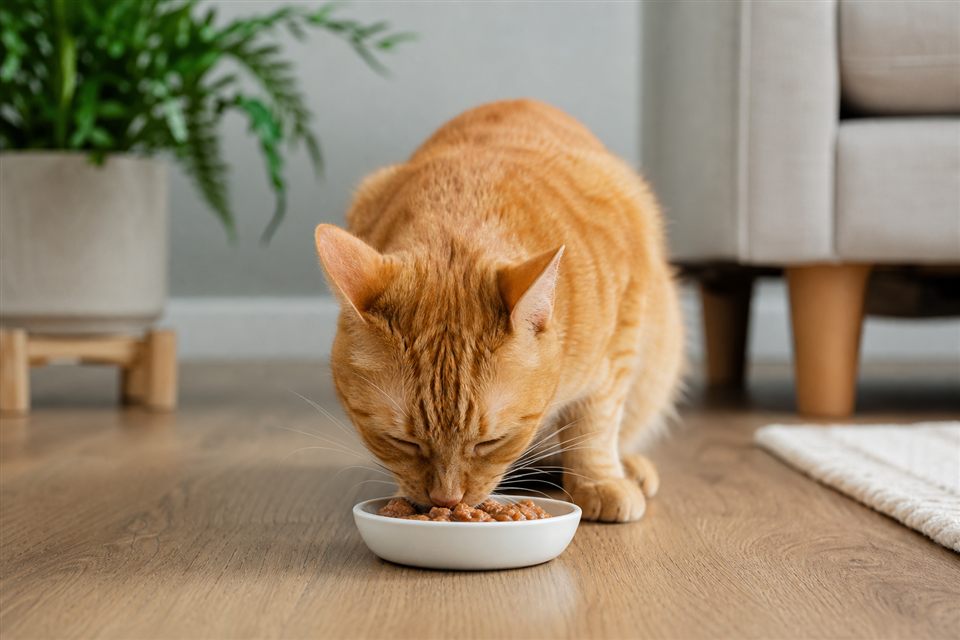
Cat owners commonly cover half-used cans with foil and refrigerate them for several days without questioning safety, yet opened wet food spoils faster than many realize once exposed to air and repeated fork contact. Bacterial growth and fat oxidation change flavor enough that cats refuse leftovers long before humans smell obvious spoilage. Proper storage protects appetite and reduces gastrointestinal upset from borderline cans. Unopened shelf-stable products follow manufacturer dating; opened containers need stricter household rules regardless of premium brand claims.
Feeding amounts, room temperature duration before refrigeration, and cat immune status affect risk tolerance. The sections below specify timing guidelines, container methods, and disposal signs when food should not be offered even if it looks fine to you.
Standard refrigerator storage timelines
Most veterinarians and manufacturers recommend using opened wet cat food within 24 to 48 hours when refrigerated promptly at or below 40 degrees Fahrenheit. Beyond seventy-two hours risk rises substantially even with tight lids. Pouches opened partially may spoil faster along cut edges. Discard any portion left in bowl more than two hours at room temperature; do not re-refrigerate picked-over meals contaminated with saliva and dust.
Best storage practices after opening
Transfer unused portion from can to clean airtight glass or plastic container rather than storing open metal can that may impart taste and oxidize edges. Label container with date opened using tape marker. Serve refrigerated food slightly warmed to room temperature or mix with splash of warm water to increase aroma for picky cats. Never microwave in metal; stir well if using microwave-safe dish to eliminate hot spots burning tongue.
Questions owners ask most often
Can I freeze leftover wet food? Many products freeze acceptably in ice cube trays for two to four weeks; texture may change slightly. Why did my cat stop eating leftovers? Often subtle spoilage or cold straight-from-fridge temperature reduces appeal. Does pate last longer than gravy? Both follow similar timelines once opened; gravy may separate faster visually.
Signs food has spoiled or oxidized
Sour or yeasty odor, mold dots, color darkening at surface, or excessive separation beyond normal gravy layer suggest discard. Cats vomiting or having diarrhea after leftover meals warrant throwing remaining batch and monitoring hydration. Immunocompromised and diabetic cats deserve stricter twenty-four-hour maximum storage rule discussed with veterinary team.
Portion planning to reduce waste
Buy smaller cans if cat consistently eats half per meal. Split large cans into two meals same day rather than stretching one can across three days. Automatic feeders dispensing refrigerated portions suit some households yet require daily cleaning of hopper contacts. Track refusal patterns; chronic waste may mean portion sizes exceed true caloric need and obesity risk grows quietly.
Common mistakes to avoid
Leaving wet food in bowl all day for grazing cats in warm rooms. Using same unwashed spoon across multiple days introducing bacteria. Assuming nose test alone detects spoilage cats already rejected. Refrigerating food still sitting out from morning feed when discovered at dinner. Mixing old and fresh batches to avoid waste without dating container.
Key Points
- Opened wet cat food generally lasts 24 to 48 hours refrigerated properly.
- Discard bowl leftovers at room temperature after two hours.
- Transfer to airtight container; label with date opened.
- Cats refusing leftovers often detect spoilage before owners smell it.
- Freezing portions can reduce waste when done promptly after first use.
Practical Tips
- Buy 3-ounce cans for single-cat households with small appetites.
- Warm refrigerated portion slightly before serving picky eaters.
- Clean food storage containers between every batch refill.
- Keep refrigerator thermometer visible inside door shelf.
- Log vomiting episodes against leftover usage to spot patterns.
- Discuss strict storage rules with pet sitters in written instructions.
Building a two-week action plan
Choose one or two changes from this article to implement this week rather than attempting every tip at once. Note your pet's baseline behavior on day one, then review progress on day fourteen with the same lighting and timing conditions when possible. Small consistent adjustments outperform dramatic overhauls that last only a few days. If you see no improvement after following veterinary guidance for two weeks, schedule a follow-up rather than switching randomly to unrelated internet advice that may confuse the underlying issue further.
First-time pet owners often search these symptoms late at night and worry unnecessarily or wait too long. When in doubt, call your veterinary team with a short video clip; many clinics offer nurse triage by phone. The guidance here supports informed conversations with professionals rather than replacing hands-on examination of your individual dog or cat.
When to call your vet
Contact clinic if cat vomits or has diarrhea after eating questionable leftovers, especially kittens and seniors. Same-day care for refusal to eat combined with lethargy over twenty-four hours. Food safety questions before feeding immunocompromised cats recovering from chemotherapy or viral illness deserve nurse line guidance.
Summary for busy owners
If you remember only a few points from this guide, keep these in mind: watch for patterns that repeat daily rather than one isolated incident, adjust home routines before buying expensive products, and contact your veterinary team early when behavior or appetite changes alongside the main symptom. Most problems improve fastest when medical causes are ruled out first and management stays consistent for at least two weeks before you declare an approach failed. Write down dates and take short videos so your next appointment covers facts rather than guesses.
This article is for general educational purposes only and does not replace professional veterinary advice. Contact your vet if your pet shows ongoing symptoms.