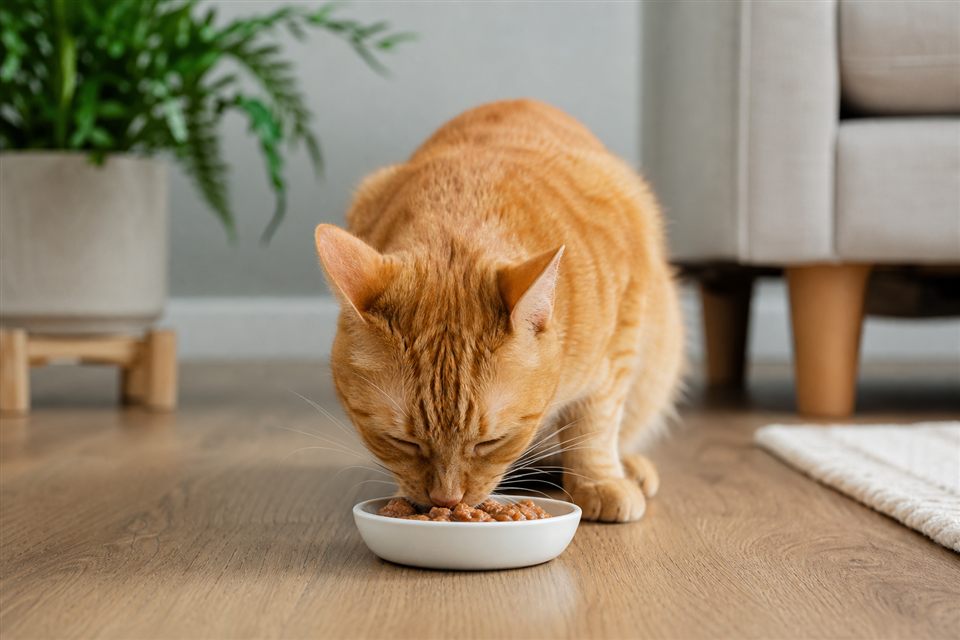
Leaving a full dry food bowl available all day feels convenient for busy owners and suits some cats who nibble slowly. Free feeding can maintain steady blood sugar in healthy adults with good portion control, but it also hides appetite changes, encourages obesity in sedentary indoor cats, and allows kibble to stale or attract pests in warm homes. Multi-cat households may see one cat overeat while another stays thin. Evaluating your cat's body condition, activity level, and household dynamics helps decide whether all-day kibble is safe or whether measured meals better support long-term health.
Dry food is not sterile once the bag opens. Fat coating on kibble oxidizes with air exposure, reducing palatability and nutrient quality over days. Ants, pantry moths, and mice target always-full bowls. Cats with diabetes, urinary disease, or prescription diet needs usually require timed feeding for accurate medication and intake monitoring. The following sections compare benefits and drawbacks of free feeding versus scheduled meals for typical indoor companions.
When free feeding dry food may work
Healthy adult cats at ideal weight sometimes self-regulate intake when measured daily totals are placed each morning rather than endlessly topped up. Active cats with high metabolism may prefer grazing. Single-cat homes without pest issues manage hygiene more easily. Use a fresh portion daily instead of topping off stale kibble. Store the opened bag sealed in a cool dry place and wash the bowl every one to two days.
When scheduled meals are safer
Overweight cats, kittens under six months, and cats on insulin or thyroid medication benefit from predictable meal times. Multi-cat homes reduce food guarding by feeding separated portions twice daily. Appetite drops from kidney or dental disease become obvious when cats miss a scheduled meal rather than nibbling unnoticed. Wet food must never free-feed due to spoilage; mixed feeding plans often use timed wet meals plus limited dry.
Questions owners ask most often
How long can dry food sit in a bowl? Replace within twenty-four hours in cool homes; shorter in humidity above seventy degrees. Will free feeding cause diabetes? Obesity from overeating increases risk; portion control matters more than bowl access alone. Can kittens free-feed? Growing kittens often need three to four measured meals daily rather than unlimited kibble.
Transitioning from free feeding to scheduled meals
Cats accustomed to twenty-four-hour bowl access may protest loudly during the first week of meal times. Offer the same total daily calories split into two or three predictable windows rather than cutting volume abruptly. Remove uneaten portions after thirty to forty-five minutes so grazing stops reinforcing random eating. Use wet food toppers on scheduled meals if your cat refuses dry until hunger normalizes. Overweight cats may need a veterinary weight-loss plan with measured reductions over months, not crash dieting. Microchip-activated bowls help when one cat needs a prescription renal or urinary diet while housemates eat standard kibble. Consistency matters more than perfection; a missed alarm by one family member can reset vocal bargaining for days.
Indoor lifestyle and activity level
Sedentary indoor cats burn fewer calories than outdoor hunters yet often receive the same full bowl as active companions. Body condition scoring every month catches slow weight gain early. High-energy breeds such as Bengals and Abyssinians may tolerate limited grazing better than Persians prone to obesity, but portion caps still apply. Puzzle feeders and scatter feeding turn meal times into enrichment even when you abandon all-day bowl access. Place water stations away from food because some cats drink more when bowls are separated across rooms.
Key Points
- Free feeding means measured daily amount, not an endlessly refilled mountain of kibble.
- Weight gain, pest problems, or stale odor signal time to switch to meals.
- Use microchip feeders in multi-cat homes if one cat needs a prescription diet.
- Always provide fresh water separate from food; wash bowls regularly.
- Sudden change in grazing habits warrants veterinary appetite evaluation.
Practical Tips
- Weigh kibble with a kitchen scale instead of guessing cup volume.
- Body condition score your cat monthly using rib and waist checks.
- Split daily kibble into a morning refill rather than continuous top-offs.
- Use puzzle feeders to slow fast eaters even when feeding dry food.
- Discard kibble that smells rancid or has visible mold or bugs.
- Transition overweight cats to meals gradually over seven to ten days.
Building a two-week action plan
Choose one or two changes from this article to implement this week rather than attempting every tip at once. Note your pet's baseline behavior on day one, then review progress on day fourteen with the same lighting and timing conditions when possible. Small consistent adjustments outperform dramatic overhauls that last only a few days. If you see no improvement after following veterinary guidance for two weeks, schedule a follow-up rather than switching randomly to unrelated internet advice that may confuse the underlying issue further.
First-time pet owners often search these symptoms late at night and worry unnecessarily or wait too long. When in doubt, call your veterinary team with a short video clip; many clinics offer nurse triage by phone. The guidance here supports informed conversations with professionals rather than replacing hands-on examination of your individual dog or cat.
When to call your vet
Schedule an exam if your cat gains weight on free feeding, if one cat bullies others away from the bowl, or if appetite suddenly increases or stops. Your veterinarian can calculate calorie targets, recommend weight-loss diets, and design feeding schedules compatible with chronic conditions requiring precise intake tracking.
Summary for busy owners
If you remember only a few points from this guide, keep these in mind: watch for patterns that repeat daily rather than one isolated incident, adjust home routines before buying expensive products, and contact your veterinary team early when behavior or appetite changes alongside the main symptom. Most problems improve fastest when medical causes are ruled out first and management stays consistent for at least two weeks before you declare an approach failed. Write down dates and take short videos so your next appointment covers facts rather than guesses.
This article is for general educational purposes only and does not replace professional veterinary advice. Contact your vet if your pet shows ongoing symptoms.