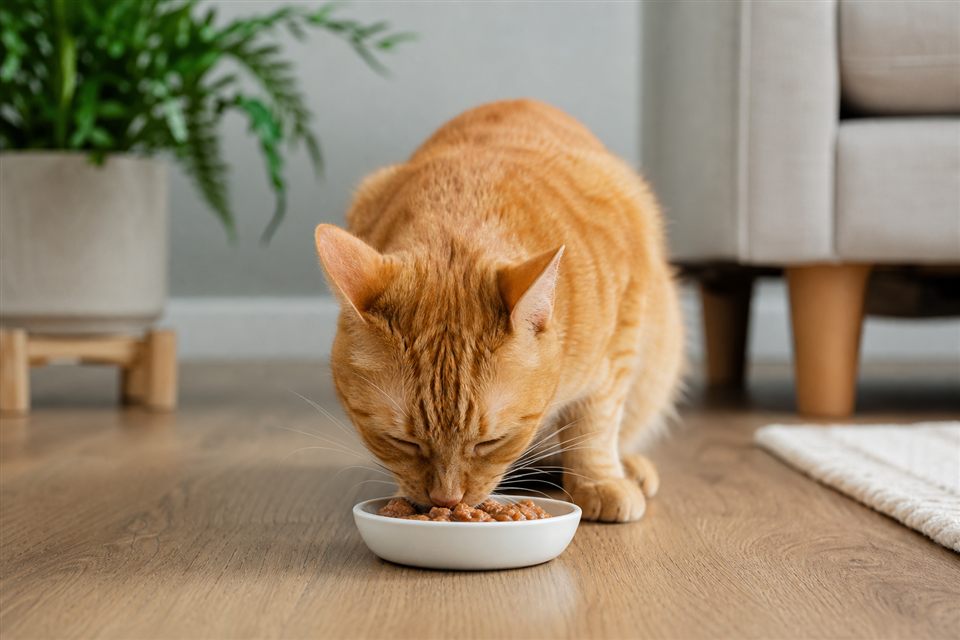
When her kitten refused wet food after a dental cleaning, Anita tried hiding a pea-sized dot of plain cottage cheese on top. Her Russian Blue, Pixel, licked the bowl clean for the first time in two days. Relief mixed with doubt—Anita had always heard cats were lactose intolerant and wondered whether cottage cheese was a safe bridge or a digestive trap waiting overnight.
Key points at a glance
- Small amounts of plain low-fat cottage cheese may be tolerated by many cats as an occasional treat or appetite enticement.
- Most adult cats produce less lactase enzyme and digest lactose poorly, but fermented dairy often contains less lactose than milk.
- Choose plain cottage cheese without added fruit, onion, chives, salt, or sweeteners.
- Start with a pea-sized amount and watch for diarrhea, gas, or vomiting within twelve to twenty-four hours.
- Cottage cheese provides protein and calcium but is not nutritionally complete for cats.
- Overweight cats should avoid calorie-dense dairy treats except under veterinary guidance.
- Kittens weaned onto solid food should rely on complete kitten formula, not dairy snacks.
Do most cats tolerate lactose?
Kittens produce lactase to digest mother's milk. After weaning, lactase production drops in most cats—the classic lactose intolerance pattern. Whole milk often causes diarrhea because undigested lactose ferments in the colon.
Cottage cheese differs from milk. Fermentation and curd formation reduce lactose content compared to a glass of milk. Many cats tolerate tiny cottage cheese portions yet vomit from milk saucers. Individual variation is wide; some cats reject all dairy; others handle yogurt or cottage cheese but not ice cream's sugar and fat combo.
Pixel tolerated a pea-sized dot, not a tablespoon. Anita learned tolerance scales with quantity even when lactose is lower.
Choosing the right cottage cheese product
Plain means plain: no pineapple, chive, onion, garlic, or "light" products sweetened with xylitol—deadly to cats. Low-fat or regular cottage cheese without added sodium targets is fine in micro amounts. Cottage cheese with active cultures may digest easier for some cats though evidence is anecdotal.
Avoid ricotta mixed into human pasta sauce with garlic. Avoid cottage cheese casseroles. Anita scooped from a separate container before adding her own berries.
| Cat weight | Starting portion | Frequency if tolerated |
|---|---|---|
| 5–8 lb | pea-sized (1/4 tsp) | 1–2 times weekly max |
| 8–12 lb | 1/4 to 1/2 tsp | 1–2 times weekly max |
| 12–16 lb | 1/2 tsp | Weekly max |
| Lactose-sensitive | none | use non-dairy enticements |
If diarrhea appears, stop dairy entirely and return to baseline diet.
Nutritional role versus gimmick
Cottage cheese offers casein and whey protein plus calcium. Cats need animal protein with specific amino acid profiles; cottage cheese supplements appetite, not taurine requirements. Feeding cottage cheese instead of cat food quickly causes deficiencies.
As a short-term enticement after illness or dental work—as Pixel experienced—it can restart intake when prescribed recovery food sits untouched. Anita used it three days, then faded the cottage cheese while keeping the same wet food brand Pixel finally accepted.
Long-term daily cottage cheese treats pad waistlines. Indoor cats gain weight from cumulative extras Anita's scale tracked weekly.
Alternatives when lactose intolerance appears
Plain warmed bone broth with no onion or garlic moistens food without lactose. Tuna water splash—not excessive tuna—entices some cats but carries mercury limits. Prescription recovery diets from veterinarians outperform dairy hacks for post-surgical nutrition when refusal persists beyond forty-eight hours.
Lactose-free milk marketed for cats exists; it is unnecessary if your cat eats complete food and tolerates no dairy. Pixel showed no interest after recovery; Anita stopped offering cheese entirely.
Kittens and dairy myths
Kittens should drink queen's milk or kitten milk replacer if orphaned—not cow's milk, which causes osmotic diarrhea. Small cottage cheese tastes do not replace weaning formulas. Anita knew better than to feed dairy to foster kittens based on internet cartoons.
When cottage cheese is a bad idea
Cats with chronic diarrhea, inflammatory bowel disease, or pancreatitis should avoid dairy treats unless a veterinary nutritionist approves. Diabetic cats do not need sugary fruit cottage cheese variants. Renal diets restrict phosphorus; dairy contributes phosphorus that conflicts with prescription goals when treats become routine.
Allergies to milk protein manifest as vomiting, itchiness, or ear inflammation distinct from lactose intolerance. Persistent signs require vet-led elimination trials.
The bottom line
Cats can eat small amounts of plain cottage cheese if they tolerate it—many adult cats handle pea-sized portions better than milk because lactose is lower, but intolerance still happens. Anita's post-dental trick worked briefly for Pixel, then gave way to complete cat food without daily dairy. Use plain product, start microscopic, watch stool, and do not treat cottage cheese as nutrition—only as an occasional enticement when plain meals need a nudge.
This article is for general informational purposes and is not a substitute for professional veterinary advice. Contact your veterinarian if your cat refuses food more than twenty-four hours, develops diarrhea after dairy, or has chronic kidney or gastrointestinal disease.