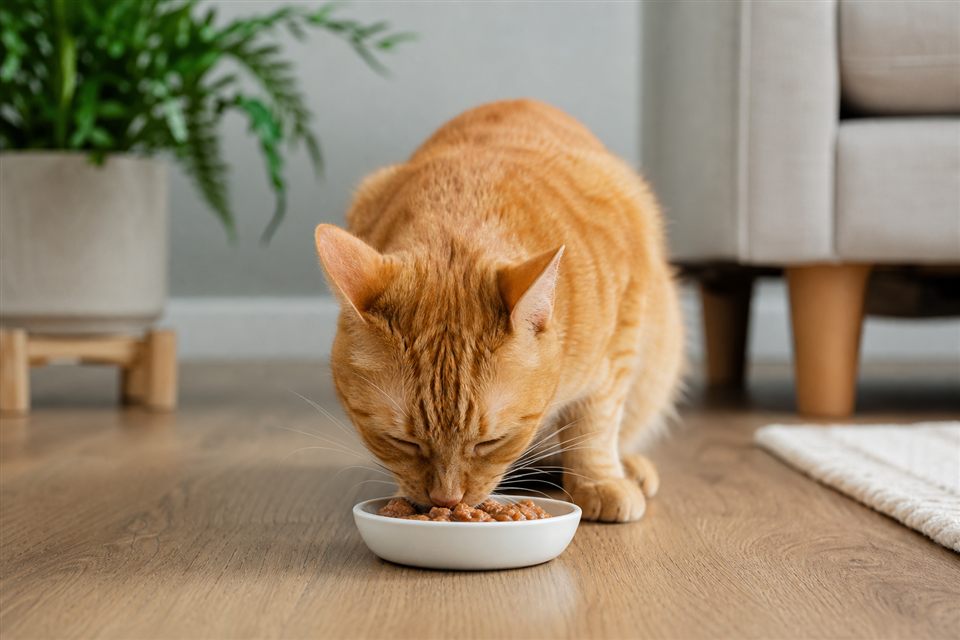
On a humid afternoon, Diego offered his calico, Luna, a pink cube of seedless watermelon while he ate his own slice on the porch. Luna batted it twice, then licked the juice and walked away—not a fan, but not harmed. Diego smiled and wondered whether the sugar in fruit was harmless for cats who occasionally lick melons, or whether watermelon belonged strictly on the human side of the picnic blanket.
Key points at a glance
- Seedless watermelon in tiny pieces is generally safe for most cats as an occasional treat.
- Cats are obligate carnivores and do not need fruit; many show little interest beyond licking juice.
- Natural fruit sugar is okay occasionally in small amounts but problematic if fed daily or in large cubes.
- Remove rind and any hard seeds; rind is tough to digest and seeds pose choking risk in non-seedless varieties.
- Offer one-half-inch cubes or smaller; limit to one to two cubes for average cats per occasion.
- Diabetic, obese, or pancreatitis-prone cats should skip sugary fruit unless a vet approves.
- Wash melon exterior before cutting to avoid transferring bacteria to flesh.
Sugar content: occasional versus routine
Watermelon is mostly water—often ninety percent—with natural fructose providing sweetness. A small cube adds minimal calories, perhaps one to two for a half-inch piece. That differs sharply from a bowl of melon balls totaling fifty calories, significant for a ten-pound cat whose daily caloric need may sit near two hundred fifty.
Occasional means weekly or less, not dessert after every meal. Luna's indifference actually protected her waistline; Diego's previous cat, Milo, would have begged daily if rewarded.
Cats lack sweet taste receptors in the same way humans do; some appear to enjoy texture or moisture more than sweetness. Luna's lick-and-leave pattern fits that biology. Interest varies; forcing fruit misses the point.
Why seedless and small pieces matter
Seedless varieties reduce choking risk, though occasional soft white seed coats still appear. Cut those out. Traditional watermelon seeds can obstruct small intestines if swallowed in clusters—rare but documented in small animals.
Rind is fibrous and difficult for cats to break down. It can cause vomiting or constipation. Diego trimmed pink flesh only, leaving green peel in the compost bucket.
Small pieces prevent gagging. Cats do not chew thoroughly. A cube larger than their mouth width may be swallowed whole and regurgitated.
| Cat size | Suggested portion | Frequency |
|---|---|---|
| Small (5–8 lb) | 1 small cube or juice lick | Occasional |
| Average (8–12 lb) | 1–2 small cubes | Weekly max |
| Large (12–16 lb) | 2 cubes | Weekly max |
| Overweight | Skip or 1 lick only | Rare |
Hydration benefit without overdoing sugar
Watermelon's water content helps cats who drink little, but wet cat food and fountains address hydration better without sugar. A lick of melon juice during travel heat might tempt a stressed cat briefly—Diego kept that trick in mind for car rides, not daily bowls.
Electrolyte imbalances do not fix themselves with melon; sick cats need veterinary fluids, not fruit cups.
Preparation and food safety
Wash the outer rind before slicing—even though Luna never ate rind, knife contact transfers surface bacteria like Salmonella onto flesh. Use a clean knife and plate reserved for cat treats if immunocompromised humans share the kitchen.
Serve chilled, not frozen solid, which can stick to tongues painfully. Room-temperature melon on hot days suffices.
Discard melon left out over two hours; bacterial growth accelerates in sugar water. Refrigerate cat portions separately if you batch-cut for humans.
Avoid watermelon flavored candies, syrups, and drinks containing xylitol or artificial sweeteners lethal to cats in small doses.
When watermelon is a poor choice
Diabetes mellitus in cats requires tight carbohydrate control; fruit treats complicate glucose curves. Obese cats need protein-forward rewards like plain cooked chicken, not fruit sugar. Chronic kidney disease diets restrict phosphorus and sometimes potassium; while watermelon is not highest in potassium among fruits, unstructured additions disrupt prescription plans.
Gastrointestinal sensitivity may show up as vomiting watery pink liquid after melon—usually self-limiting if portion was tiny. Repeated episodes mean stop offering melon.
Allergies to melon are uncommon cross-reactions in humans with pollen allergies; cats rarely show analogous patterns, but facial itching after melon warrants vet discussion.
Alternatives if your cat ignores watermelon
Many cats prefer meat broth ice cubes with no onion or garlic. Freeze liquid from their own wet food for enrichment. Luna eventually ignored watermelon entirely; Diego stopped preparing cubes and saved melon for himself.
The bottom line
Cats can eat seedless watermelon in small pieces occasionally; the sugar is acceptable in tiny amounts but not as a regular treat. Remove rind and seeds, wash the exterior, and expect many cats to lick rather than feast. Luna taught Diego that indifference is fine—watermelon stays a safe optional curiosity, not a feline food group.
This article is for general informational purposes and is not a substitute for professional veterinary advice. Ask your veterinarian about treats if your cat has diabetes, obesity, kidney disease, or gastrointestinal illness.