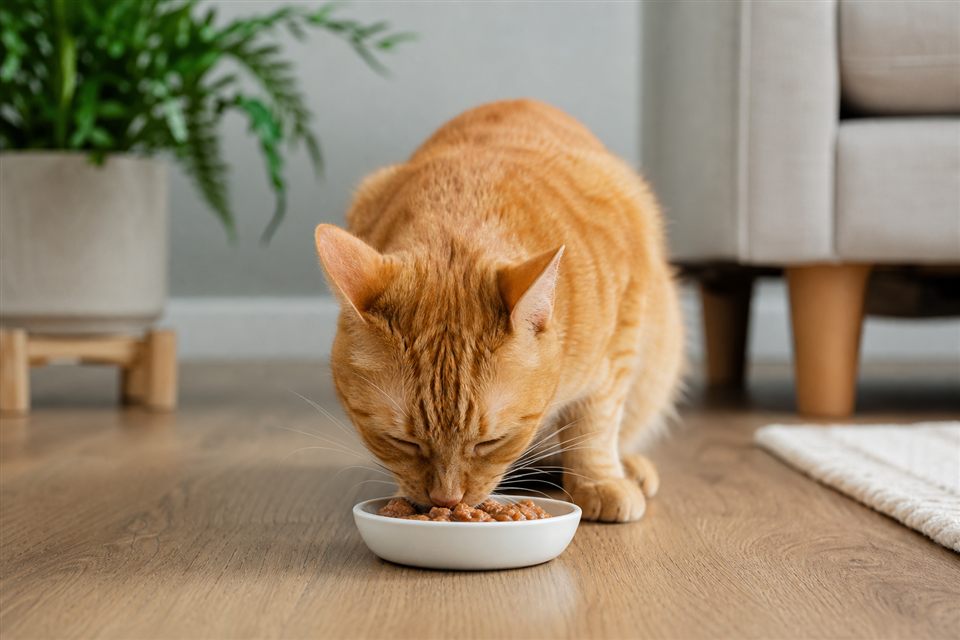
Cat owners managing overweight indoor cats sometimes search for vegetable treats lower in calories than commercial snacks. Plain cooked green beans without salt, butter, garlic, or onion sauce are non-toxic to cats in small amounts and provide fiber that may increase satiety briefly during weight-loss plans supervised by veterinarians. Green beans do not deliver complete feline nutrition including taurine from animal protein; they remain occasional extras not meal replacements. Many cats reject vegetables entirely which is normal for obligate carnivores.
Casserole green beans, canned soup beans, and holiday dishes with bacon fat belong strictly off the cat menu. The sections below outline safe cooking, realistic portion frequency, and digestive signs that mean bean treats should stop.
Why green beans appeal in weight-management discussions
Veterinarians occasionally suggest replacing portion of kibble with plain vegetables for dogs; cats tolerate this strategy less universally yet some accept bean pieces during transition periods. Fiber adds bulk without dense calories when total daily intake remains veterinarian-approved. Weight loss still requires measured calories from complete cat food; beans alone cannot shrink obese cats safely without professional plan monitoring lean mass loss.
Safe preparation methods
Steam or boil fresh or frozen beans until soft; skip canned beans with added sodium when lower-sodium frozen option exists. Cut into pea-sized lengths preventing choke in fast eaters. Serve plain at room temperature mixed into wet food for texture-shy cats. Refrigerate unused portion up to twenty-four hours. Never feed raw hard beans difficult to digest.
Questions owners ask most often
How often can cats have green beans? Many clinics suggest one to two small weekly portions unless prescribed otherwise. Will beans cause diarrhea? Excess fiber loosens stool; reduce portion if change appears. Do beans replace hairball remedies? Fiber may help slightly; grooming remains primary prevention.
When bean treats should pause
Stop if vomiting, diarrhea, or appetite refusal follows introduction. Cats with inflammatory bowel disease need tailored diets not random fiber experiments. Diabetic cats require consistent carbohydrate monitoring; treat timing should align with insulin plans. Anorexic cats refusing normal food while offered beans need urgent exam not vegetable encouragement alone.
Pairing treats with complete nutrition
Calculate treat calories including beans within daily allowance discussed with clinic. Prefer high-protein low-calorie commercial cat treats when cat rejects beans repeatedly. Wet food increase sometimes hydrates and satisfies better than vegetables for indoor weight management. Recheck body condition monthly during any weight-loss attempt.
Common mistakes to avoid
Replacing substantial kibble volume with beans risks taurine deficiency over weeks. Sharing green bean casserole containing onion during holidays. Offering large whole beans cats swallow without chewing. Assuming all cats accept vegetables because dog diet plan uses green beans successfully. Continuing beans despite loose stool hoping cat adjusts without portion change.
Key Points
- Plain cooked green beans are safe occasional treats for many cats in tiny portions.
- Never season with onion, garlic, salt-heavy sauces, or bacon fat.
- Beans do not replace complete balanced cat food or taurine needs.
- Introduce slowly; stop if digestive upset appears.
- Overweight cats need veterinary weight plan beyond vegetable treats alone.
Practical Tips
- Mix minced beans into wet food for picky eaters trying first taste.
- Use kitchen scale for treat calorie tracking during weight programs.
- Choose frozen unsalted beans for convenient small batches.
- Log body weight weekly when adding any new treat category.
- Discuss fiber treats with vet before diabetic cat diet changes.
- Respect refusal; forcing vegetables creates food aversion.
Building a two-week action plan
Choose one or two changes from this article to implement this week rather than attempting every tip at once. Note your pet's baseline behavior on day one, then review progress on day fourteen with the same lighting and timing conditions when possible. Small consistent adjustments outperform dramatic overhauls that last only a few days. If you see no improvement after following veterinary guidance for two weeks, schedule a follow-up rather than switching randomly to unrelated internet advice that may confuse the underlying issue further.
First-time pet owners often search these symptoms late at night and worry unnecessarily or wait too long. When in doubt, call your veterinary team with a short video clip; many clinics offer nurse triage by phone. The guidance here supports informed conversations with professionals rather than replacing hands-on examination of your individual dog or cat.
When to call your vet
Schedule nutrition consult before using beans heavily in weight-loss attempts for obese cats. Same-day care if bean introduction triggers vomiting with lethargy or if cat stops eating normal food over twenty-four hours. Emergency unlikely from plain beans yet onion-containing dishes need immediate toxin guidance call.
Summary for busy owners
If you remember only a few points from this guide, keep these in mind: watch for patterns that repeat daily rather than one isolated incident, adjust home routines before buying expensive products, and contact your veterinary team early when behavior or appetite changes alongside the main symptom. Most problems improve fastest when medical causes are ruled out first and management stays consistent for at least two weeks before you declare an approach failed. Write down dates and take short videos so your next appointment covers facts rather than guesses.
This article is for general educational purposes only and does not replace professional veterinary advice. Contact your vet if your pet shows ongoing symptoms.