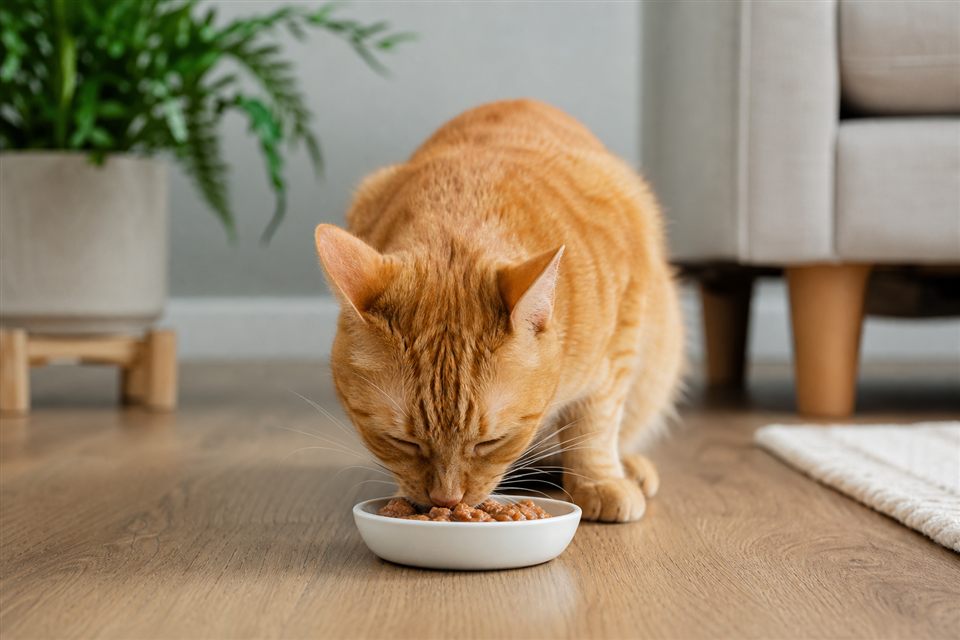
Cat owners sometimes offer plain white fish from family dinners wondering whether cod or tilapia makes a healthy treat compared with oily tuna or salmon. Boneless fully cooked cod and tilapia provide lean protein many cats accept during appetite dips when prepared without salt, butter, garlic, or onion. Fish treats must remain occasional because muscle meat alone lacks complete feline nutrition including adequate taurine for daily sole feeding.
Rotation among protein sources reduces allergy sensitization and mercury exposure compared with feeding the same canned tuna weekly. The sections below outline safe cooking, portion sizes, and medical situations where fish treats should pause.
Benefits and limits of white fish treats
Cod and tilapia are low-fat proteins suitable for cats needing bland extras during short illness recovery under veterinary guidance. They appeal to picky eaters when warmed slightly. They do not replace complete cat food providing taurine, vitamins, and minerals balanced for obligate carnivores.
Safe preparation methods
Steam or bake without oil until flesh flakes; confirm no bones remain. Skip breading, lemon pepper, and soy glazes. Cool to lukewarm before serving pea-sized flakes. Refrigerate unused portion up to twenty-four hours or discard. Never feed raw fish due to thiaminase and parasite risks in home kitchens.
Questions owners ask most often
How often can cats have fish treats? Many veterinarians suggest one to two small weekly portions unless prescribed otherwise. Is canned cod in water okay? Check label for salt only; avoid seasoned products. Can kittens eat fish? Kittens need complete kitten formula; fish is treat only after weaning.
Rotating proteins to reduce allergy and mercury risk
Alternate fish with chicken or rabbit-based treats rather than daily fish habit. Cats developing itchy skin or ear inflammation on frequent fish may need elimination diet trials supervised by veterinarians. Larger oily fish carry higher mercury; white fish lower mercury but rotation still supports dietary variety.
When fish treats should stop temporarily
Pause treats if vomiting, diarrhea, or skin itch flares after fish introduction. Cats with history of urinary crystals need veterinary approval because mineral content varies by diet context. Pancreatitis recovery patients may require strict fat limits making lean fish acceptable only when clinic approves.
Key Points
- Plain cooked boneless cod or tilapia works as occasional cat treats.
- Never season with onion, garlic, salt-heavy rubs, or butter.
- Fish alone is not complete daily nutrition for cats.
- Rotate proteins; avoid daily tuna or fish-only treat habits.
- Stop fish trials if digestive or skin reactions appear.
Practical Tips
- Flake fish into lick mat to extend eating time for fast gulpers.
- Label refrigerator container with date fish was cooked.
- Use fish treats only for medication hiding when pill pockets fail.
- Discuss treat calories with clinic if cat is overweight.
- Photograph ingredient labels of canned fish before sharing with cat.
- Prefer single-ingredient pet treats when home cooking is inconvenient.
Building a two-week action plan
Choose one or two changes from this article to implement this week rather than attempting every tip at once. Note your pet's baseline behavior on day one, then review progress on day fourteen with the same lighting and timing conditions when possible. Small consistent adjustments outperform dramatic overhauls that last only a few days. If you see no improvement after following veterinary guidance for two weeks, schedule a follow-up rather than switching randomly to unrelated internet advice that may confuse the underlying issue further.
First-time pet owners often search these symptoms late at night and worry unnecessarily or wait too long. When in doubt, call your veterinary team with a short video clip; many clinics offer nurse triage by phone. The guidance here supports informed conversations with professionals rather than replacing hands-on examination of your individual dog or cat.
When to call your vet
Contact your clinic if fish treats trigger vomiting, diarrhea, or itchy skin. Schedule nutrition discussion before using fish heavily for anorexic cats because underlying disease may require treatment beyond tempting flavors. Emergency care applies if cat ingests seasoned fish containing onion or garlic.
Summary for busy owners
If you remember only a few points from this guide, keep these in mind: watch for patterns that repeat daily rather than one isolated incident, adjust home routines before buying expensive products, and contact your veterinary team early when behavior or appetite changes alongside the main symptom. Most problems improve fastest when medical causes are ruled out first and management stays consistent for at least two weeks before you declare an approach failed. Write down dates and take short videos so your next appointment covers facts rather than guesses.
This article is for general educational purposes only and does not replace professional veterinary advice. Contact your vet if your pet shows ongoing symptoms.