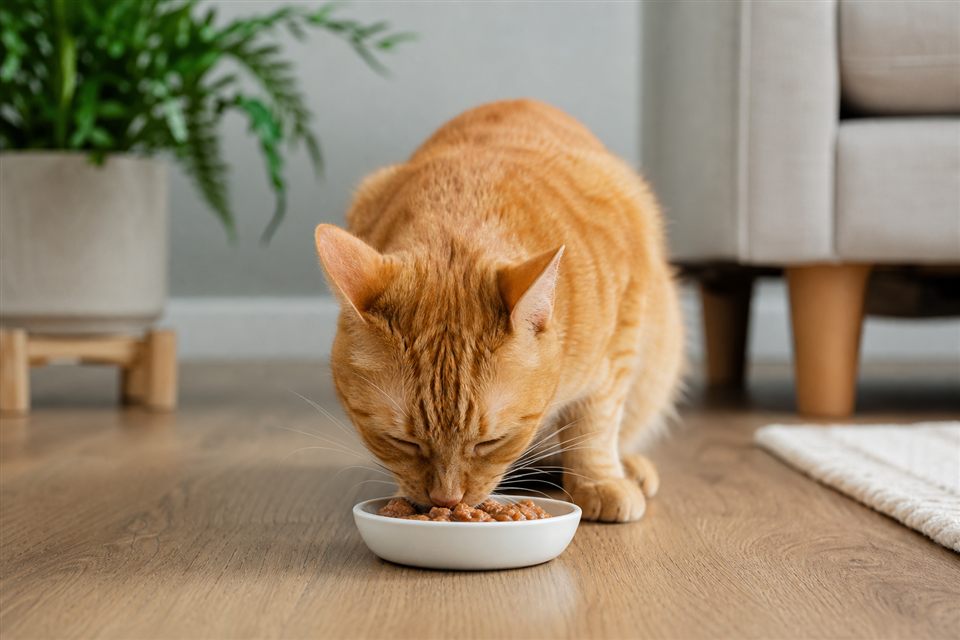
Cats are obligate carnivores—plain cooked chicken breast appeals instinctively as high-value treat or appetite enticement during illness recovery under veterinary guidance. Chicken alone lacks complete feline nutrition including taurine, vitamins, and mineral balance complete commercial foods provide. Occasional small portions supplement balanced diets; habitual chicken-only feeding causes dangerous deficiencies over weeks. Preparation matters: no onion, garlic, salt, butter, or seasoning toxic to cats. Boneless skinless breast reduces fat pancreatitis risk compared with skin-on dark meat scraps from dinner plates.
Safe Preparation and Portions
Boil or bake chicken thoroughly without additives; shred into pea-sized pieces. Offer as treat under ten percent daily calories or temporary topper encouraging sick cats eating per vet plans. Remove all bones—cooked bones splinter causing intestinal injury. Introduce gradually monitoring stool. Rotisserie and seasoned grocery chicken contains sodium and spices cats should avoid. Raw chicken carries salmonella risk for cats and household members—cooking recommended unless veterinarian directs commercial raw protocols with strict handling.
When Chicken Helps Versus Hurts
Short-term appetite stimulation during URI congestion or post-surgery may use chicken enticement alongside complete recovery diets. Chronic picky eating holding out for chicken requires behavior and nutrition plans—not surrendering meals to unbalanced protein only. Overweight cats need measured portions counted toward calories. Pancreatitis-prone cats need low-fat veterinary diets—chicken skin and fatty pieces inappropriate.
Key Points
- Plain cooked chicken is safe as occasional treat—not complete diet.
- Never feed seasoned, garlicky, or salted chicken from human meals.
- Boneless thoroughly cooked breast is safest common choice.
- Taurine deficiency develops if chicken replaces balanced cat food long term.
- Count chicken calories toward daily intake preventing obesity.
- Raw chicken carries bacterial risk unless vet-supervised raw feeding program.
Practical Tips
- Batch cook plain breast freezing portioned cubes for training rewards.
- Warm slightly to enhance aroma for sick cats with vet approval.
- Transition back to complete food once appetite stabilizes.
- Never leave chicken unrefrigerated in bowls over two hours.
- Discuss hydrolyzed or recovery diets if chicken toppers become daily demand.
When to Contact Your Veterinarian
Schedule visits if cats refuse complete food over twenty-four hours despite chicken offers. Seek care for vomiting after fatty chicken or bone ingestion suspicion.
This article is for general educational purposes only and does not replace professional veterinary advice. Contact your vet if your pet shows ongoing symptoms.