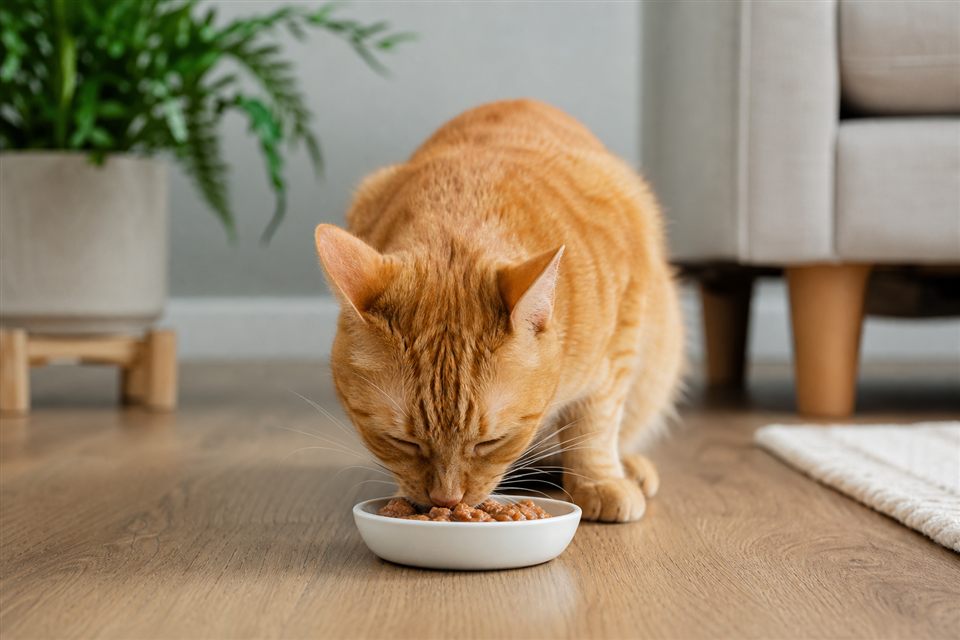
Keith's cat, Pixel, had decided that freeze-dried chicken treats were the only food worth acknowledging. She pushed kibble around her bowl, yowled at the treat jar, and lost half a pound in two weeks. Keith wondered whether freeze-dried chicken was at least real meat — close enough to live on — or whether he was slowly starving a cat who looked increasingly pleased with herself.
Cats can eat freeze-dried chicken treats, and they are among the cleaner commercial treats available — usually single-ingredient, high in protein, low in carbohydrates. A full diet built from treats alone is dangerous. Freeze-dried chicken lacks balanced calcium, taurine levels may be inadequate for sole nutrition, and total calories often fall short or swing wildly depending on how much you pour. Pixel needed cat food, not a treat jar with better marketing.
Key points at a glance
- Freeze-dried chicken treats are safe and healthy as treats for most cats.
- Treats alone cannot provide complete feline nutrition long-term.
- Taurine, calcium, and vitamin imbalances develop when treats replace meals.
- Weight loss from treat-only feeding reflects nutritional deficit, not healthy leanness.
- Limit treats to 10% of daily calories; meals should be complete cat food.
Why treats fail as meals
Complete cat food meets AAFCO nutrient profiles through formulated blends of muscle meat, organ meat, bone meal or calcium sources, vitamins, and taurine supplementation. Freeze-dried chicken breast is muscle meat only — no calcium-phosphorus balance, insufficient taurine for exclusive feeding, and no micronutrient spectrum.
Feeding treats only leads to deficiencies over weeks. Taurine deficiency causes heart disease (dilated cardiomyopathy) and vision loss. Calcium deficiency causes bone problems, especially in kittens. Vitamin A and D imbalances follow if organ meats and fortified nutrients are absent.
| Feeding approach | Nutritional outcome |
|---|---|
| Complete cat food + freeze-dried treats (under 10% calories) | Safe |
| Half meals, half treats | Deficiency risk within weeks |
| Treats only | Dangerous — taurine, calcium, vitamin gaps |
| Treats only + water | Starvation masked by protein snacking |
Why cats hold out for treats
Freeze-dried chicken is intensely flavored and calorie-dense per bite. Cats learn quickly that refusing boring kibble brings desperate owners offering tastier options. Pixel's weight loss was not discipline — it was insufficient total nutrition and possibly early hepatic lipidosis risk in a cat eating far below caloric needs.
Keith reset by offering measured meals of wet food at set times, treats only after 80% of the meal was eaten, and zero free-feeding of freeze-dried chicken.
How to use freeze-dried chicken properly
Choose single-ingredient products with no added salt, preservatives, or flavorings. Break into small pieces for training rewards. Count calories — a cup of freeze-dried chicken can exceed 300 calories, far more than most indoor cats need from treats in a day.
| Cat weight | Daily treat budget (freeze-dried chicken) | Meal foundation |
|---|---|---|
| 5–8 lbs | 10–15 small pieces max | Complete wet or dry food |
| 8–12 lbs | 15–25 small pieces max | Complete wet or dry food |
| 12+ lbs | 25–35 small pieces max | Complete wet or dry food |
Rehydrating pieces in water adds moisture but still does not make them a complete diet. Weight loss, lethargy, or vision changes warrant immediate vet evaluation.
The bottom line
Freeze-dried chicken treats are excellent rewards when they stay in the treat category. Pixel learned to eat her meals again once Keith stopped letting treats negotiate the menu. Real cat food carries the nutrients a bag of freeze-dried breast never will — no matter how pure the ingredient list looks.
This article is for general information only and is not a substitute for advice from your veterinarian.