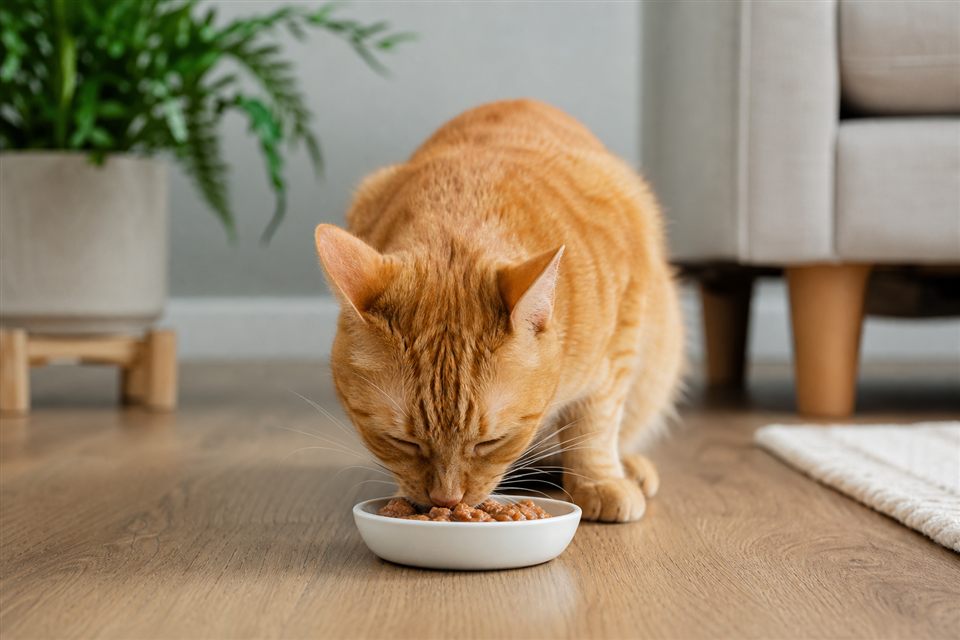
Hannah pan-fried chicken livers for herself — no onion, no garlic, just a quick sear — and her orange tabby, Chester, scaled the counter with an athleticism she did not know he possessed. She dropped a fingernail-sized piece on the floor before he reached the hot pan. He swallowed it whole. Now she needed to know whether that victory lap was harmless or the start of a vitamin A problem.
Cooked chicken liver in small amounts is safe for most cats and genuinely nutritious — rich in protein, B vitamins, iron, and taurine. The catch is vitamin A: liver concentrates it, and too much fed too often causes hypervitaminosis A — a painful condition affecting bones and joints. Occasional tiny treats are fine. Weekly large servings are not.
Key points at a glance
- Plain cooked chicken liver is safe in small amounts for most cats.
- Vitamin A toxicity builds with frequent large liver portions — moderation is critical.
- Cook thoroughly; never feed raw liver due to bacteria and parasite risks.
- No onion, garlic, butter, or seasoning in liver prepared for cats.
- Liver should supplement balanced cat food, not replace it.
Why liver is powerful — and risky
One ounce of chicken liver contains roughly 4,000–5,000 IU of vitamin A. An average cat needs about 200–250 IU daily. That means a single ounce of liver delivers weeks' worth of vitamin A in one bite. Chester's fingernail piece was probably 1/4 ounce — fine once. A whole liver treat every few days is where toxicity creeps in.
Hypervitaminosis A from chronic overfeeding causes neck stiffness, lameness, bone spurs, poor coat, and loss of appetite. It develops over weeks to months of excess, not from one stolen bite.
| Feeding pattern | Vitamin A risk |
|---|---|
| Pea-sized piece monthly | Negligible |
| 1 tsp weekly | Low for most healthy cats |
| 1 tbsp several times weekly | Moderate — reconsider |
| Daily liver or liver-only diet | High — toxicity possible |
Safe portion sizes
| Cat weight | Maximum treat portion | Suggested frequency |
|---|---|---|
| 5–8 lbs | 1/2 tsp – 1 tsp | Once weekly or less |
| 8–12 lbs | 1 tsp – 1 tbsp | Once weekly or less |
| 12+ lbs | 1 tbsp | No more than weekly |
Hannah limits Chester to one teaspoon of plain cooked liver every two weeks — enough to satisfy his obsession without stacking vitamin A.
How to cook it safely
Pan-sear, boil, or bake liver until no pink remains inside. Do not add butter, oil, salt, or spices. Drain fat — liver is already rich. Chop into tiny pieces or mash into food. Refrigerate unused portions and discard after three days.
Commercial cat foods often include liver at safe formulated levels. Adding large homemade liver portions on top doubles up without you realizing.
Raw liver: skip it
Raw chicken liver carries Salmonella and Campylobacter risks and does not offer vitamin A advantages over cooked. Freezing does not make raw liver a safe staple for cats.
When to avoid liver treats
Cats with hypervitaminosis A history, liver disease, or cats already eating high-liver raw diets need vet guidance before any addition. Pregnant queens have specific nutrient requirements — improvised liver feeding can do more harm than good.
The bottom line
Cooked chicken liver in small amounts is an excellent occasional treat when you respect vitamin A limits. Chester gets a teaspoon on rare Sundays; Hannah keeps the pan livers for herself the rest of the month. One bite will not poison your cat — making liver a daily habit might. Treat it like a supplement with a ceiling, not an unlimited delicacy.
This article is for general information only and is not a substitute for advice from your veterinarian.