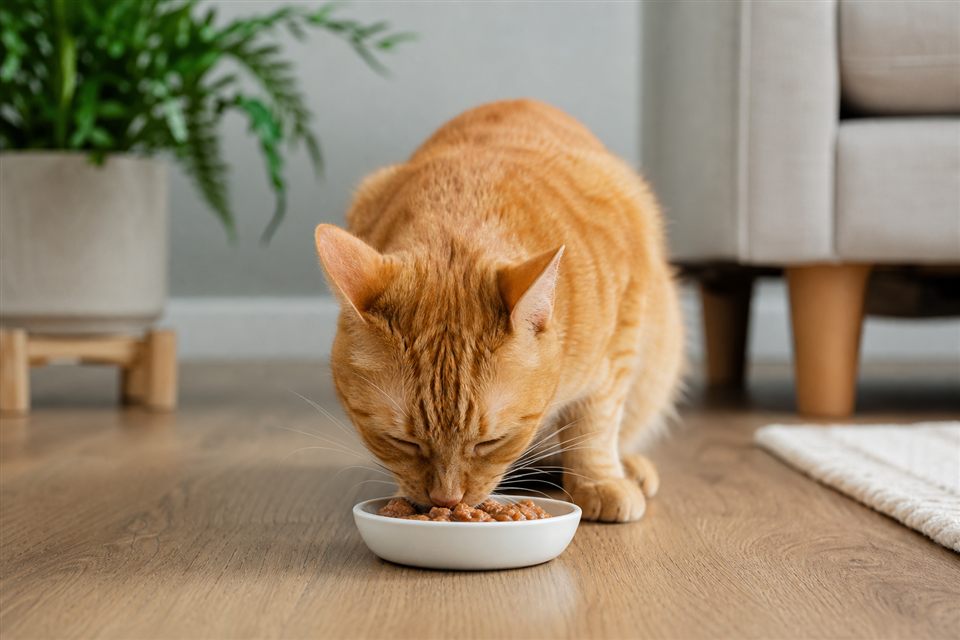
The moment a tuna can opens, cats materialize as if summoned—yet pantry tuna differs profoundly from balanced cat food. Occasional plain tuna in water may tempt picky eaters temporarily, but regular feeding creates taurine deficiency, vitamin imbalances, and mercury accumulation over time. Human canned tuna lacks nutrients cats require daily. Oil-packed varieties add unnecessary fat risking pancreatitis in sensitive individuals. Addiction to tuna aroma makes transitioning back to complete diets frustrating. Understanding treat versus meal distinction protects long-term health while still using tuna strategically under veterinary guidance for short appetite crises.
Nutritional Problems With Regular Tuna
Tuna alone does not provide adequate taurine, calcium, or vitamin E cats need—deficiencies develop with habitual feeding. Mercury concentration increases with larger fish and frequency of consumption. Sodium in canned products stresses kidneys when excessive. Picky cats holding out for tuna refuse complete foods, creating owner surrender cycles. Tuna in oil adds calorie density overweight cats cannot afford. "Tuna cat food" formulated commercially balances nutrients differently from human pantry cans—do not equate them.
How Often Is Occasional Tuna Acceptable
Small plain water-packed treat portions once weekly or less suit many healthy cats without becoming dietary staples. Mix tiny amounts into meals during transitions only briefly. Kittens and pregnant cats need complete growth formulas—not tuna supplementation. Cats with kidney or heart disease need sodium and protein restrictions tuna undermines. Entice sick cats with tuna smell on veterinarian-approved recovery diets rather than unbalanced cans alone.
Key Points
- Pantry tuna is a treat only—not a balanced cat diet.
- Frequent tuna risks mercury exposure and nutritional deficiency.
- Water-packed plain tuna beats oil-packed for occasional use.
- Tuna addiction worsens picky eating long term.
- Formulated tuna cat foods differ from human canned tuna nutritionally.
- Chronic kidney cats need veterinary diets—not tuna toppers daily.
Practical Tips
- Warm complete wet food instead of opening tuna cans habitually.
- Use tuna juice drops sparingly to medicate pills if cat tolerates.
- Rotate proteins in commercial foods to prevent single-flavor fixation.
- Read labels on cat treats mimicking tuna—portion accordingly.
- Transition picky cats with veterinary appetite support if refusing meals forty-eight hours.
When to Contact Your Veterinarian
Book visits if cats refuse complete food over twenty-four hours while waiting for tuna. Discuss kidney-safe treats for seniors rather than improvising pantry solutions.
This article is for general educational purposes only and does not replace professional veterinary advice. Contact your vet if your pet shows ongoing symptoms.