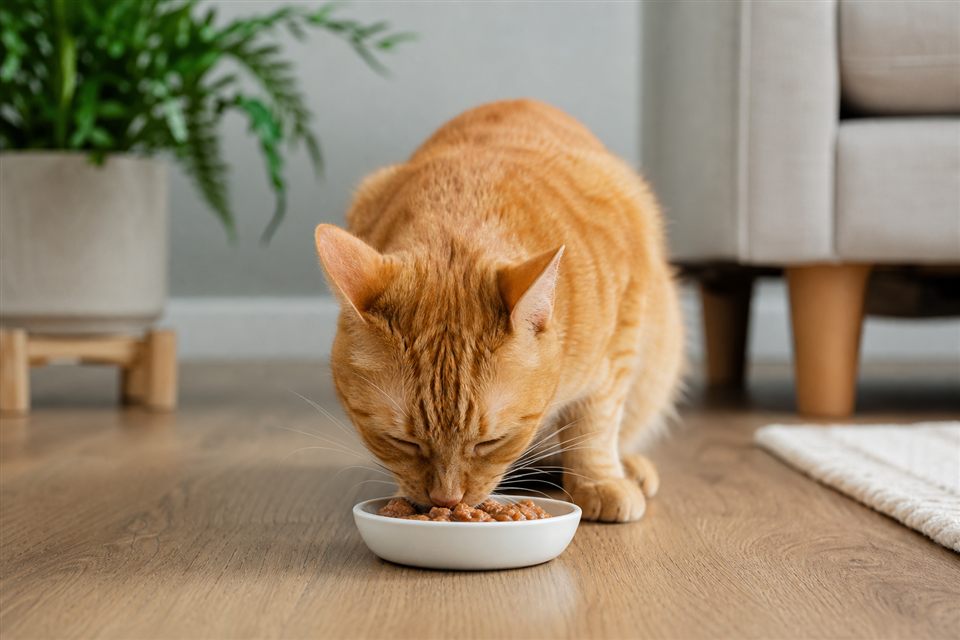
Plant-based milks surged in popularity in human kitchens, and curious cat owners wonder whether oat milk offers a safe creamy treat for cats who beg at the breakfast table. Most adult cats tolerate small tastes of plain unsweetened oat milk without immediate toxicity, but it is not nutritionally appropriate as a regular drink. Cats are obligate carnivores requiring animal protein and specific nutrients oat beverages do not provide. Added sugars, chocolate flavors, emulsifiers, and xylitol in some commercial oat milks create real danger. Understanding portion limits and ingredient labels prevents digestive upset and hidden poisoning from trendy human drinks shared with pets.
Lactose intolerance in cats explains why dairy milk causes diarrhea; oat milk avoids lactose but introduces unnecessary carbohydrates many indoor cats do not need. Overweight cats accumulate calories quickly from liquids on top of full meals. The sections below clarify when a lick is harmless, when daily use becomes problematic, and which milk alternatives remain strictly off limits for felines.
Plain oat milk in small amounts
A teaspoon to tablespoon of unsweetened plain oat milk occasionally may cause no harm in healthy adult cats not on restricted diets. Watch stool consistency afterward because novel carbohydrates ferment in sensitive guts. Kittens should receive only kitten formula or mother milk replacer approved by your veterinarian, never oat milk as nutrition. Cats with diabetes, pancreatitis history, or inflammatory bowel disease need explicit approval before any plant milk trials.
Ingredients that make oat milk dangerous
Sweetened vanilla or barista blends contain sugar load inappropriate for cats. Chocolate oat milks carry theobromine toxicity risk. Xylitol appears in some sugar-free products and is lethal to cats at small doses. High fat barista formulations trigger pancreatitis in susceptible individuals. Salt and stabilizers may irritate stomach lining when volume exceeds tiny tastes. Always read labels aloud checking for xylitol, chocolate, caffeine, and added oils before offering any sip.
Questions owners ask most often
Is oat milk better than cow milk for cats? It avoids lactose but is still not a feline food. Can kittens drink oat milk? No for nutrition; use veterinary milk replacer only. Will oat milk help constipation? Water and diet change under vet guidance beat random milk trials.
Calorie and weight considerations for indoor cats
Liquid calories do not trigger satiety the same way meat protein does; cats may still eat full meals after drinking sweetened plant milks. Obesity increases diabetes and arthritis risk in sedentary indoor companions. Treat calories including milk should stay below ten percent of daily intake per many veterinary nutrition guidelines. Measuring treats prevents death by a thousand sips from the cereal bowl each morning.
Safer treat alternatives cats actually need
Fresh water changed daily remains the only drink cats require. Lickable treat tubes designed for cats provide controlled portions with appropriate nutrient profiles. Small pieces of plain cooked chicken or freeze-dried meat suit obligate carnivore digestion better than grain beverages. Cat grass offers chewing enrichment without oat carbohydrates. If your cat constantly begs for human food, schedule a wellness exam to rule out hyperthyroidism or malabsorption driving appetite.
Key Points
- Oat milk is not toxic in tiny plain unsweetened amounts for most healthy cats.
- Never offer chocolate, xylitol, or sweetened barista oat milks.
- Oat milk is not a substitute for water or balanced cat food.
- Kittens need species-appropriate formula not plant beverages.
- Repeated digestive upset after tastes means stop sharing entirely.
Practical Tips
- Keep oat milk cartons closed and out of counter-surfing reach.
- Rinse bowls shared with cats to remove sugary milk residue.
- Log treat types when tracking weight with your veterinarian.
- Offer a water fountain if your cat seems bored with still water.
- Teach family members consistent rules about table food and drinks.
- Choose cat-specific liquid treats if you want pour-over food toppers.
Building a two-week action plan
Choose one or two changes from this article to implement this week rather than attempting every tip at once. Note your pet's baseline behavior on day one, then review progress on day fourteen with the same lighting and timing conditions when possible. Small consistent adjustments outperform dramatic overhauls that last only a few days. If you see no improvement after following veterinary guidance for two weeks, schedule a follow-up rather than switching randomly to unrelated internet advice that may confuse the underlying issue further.
First-time pet owners often search these symptoms late at night and worry unnecessarily or wait too long. When in doubt, call your veterinary team with a short video clip; many clinics offer nurse triage by phone. The guidance here supports informed conversations with professionals rather than replacing hands-on examination of your individual dog or cat.
When to call your vet
Contact your clinic immediately if your cat vomits repeatedly, becomes lethargic, or shows tremors after ingesting sweetened or sugar-free oat products. Schedule an exam if diarrhea lasts more than forty-eight hours after a new treat or if your cat begs constantly despite adequate meals. Your veterinarian can review diet history and screen for metabolic disease when appetite seems abnormal.
Summary for busy owners
If you remember only a few points from this guide, keep these in mind: watch for patterns that repeat daily rather than one isolated incident, adjust home routines before buying expensive products, and contact your veterinary team early when behavior or appetite changes alongside the main symptom. Most problems improve fastest when medical causes are ruled out first and management stays consistent for at least two weeks before you declare an approach failed. Write down dates and take short videos so your next appointment covers facts rather than guesses.
This article is for general educational purposes only and does not replace professional veterinary advice. Contact your vet if your pet shows ongoing symptoms.