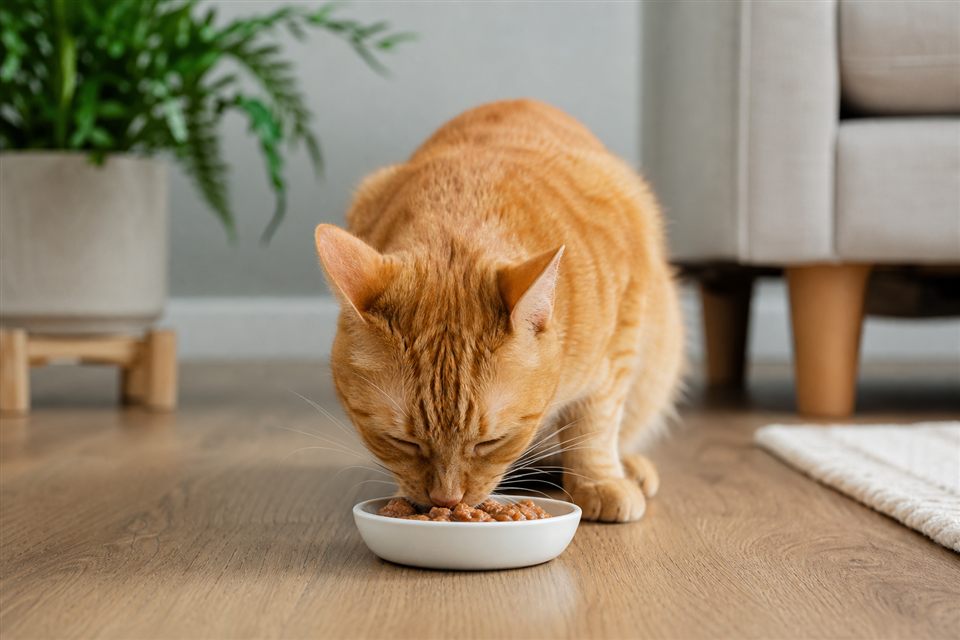
Freeze-dried chicken, salmon, and liver treats line pet store shelves promising pure protein and minimal ingredients. Cats love the intense aroma and crunch. Used wisely, freeze-dried treats support training, medication hiding, and enrichment; overused, they unbalance diets and contribute to obesity. Because water is removed, freeze-dried pieces concentrate calories—a thumbnail-sized nugget may equal more energy than it looks. Owners asking "how much is too much" need label calorie data, daily treat budget math, and awareness of when treats replace complete nutrition inappropriately.
What Freeze-Dried Treats Offer
Quality products contain single or limited ingredients without fillers—appealing for cats with some food sensitivities when introduced gradually. High palatability helps pill administration and carrier acclimation. Rehydration optional for cats preferring softer texture. Downsides include cost, calorie density, bacterial handling concerns if products are mishandled, and temptation to exceed ten-percent treat guidelines because pieces feel small.
Key Points
- Treats—including freeze-dried—should stay under ten percent of daily calories.
- Calculate from package kcal per cup or per piece when available.
- Reduce meal portions on heavy treat days to maintain weight.
- Introduce new proteins slowly; sudden switches cause diarrhea.
- Complete cat food still supplies balanced vitamins treats lack.
- Immunocompromised cats may need cooked treats—ask your vet.
Portion Planning Example
If your cat eats three hundred kilocalories daily, treat allowance is roughly thirty kcal. A freeze-dried product listing one hundred kcal per quarter cup might mean only a few small pieces daily—not handfuls. Weigh treats on a kitchen scale for accuracy during training weeks. Use regular kibble for low-distraction rewards; reserve freeze-dried for high-value moments like nail trims. Count treats given by all family members to avoid duplicate feeding. Adjust dinner after training class nights.
Practical Tips
- Reseal bags promptly; moisture ruins texture and safety.
- Store opened bags per label—some require refrigeration after opening.
- Break pieces smaller to stretch calories across more repetitions.
- Avoid human-grade raw freeze-dried if your vet recommends cooked only.
- Track weight monthly when treat training intensifies.
When to Contact Your Veterinarian
Discuss treat choices for diabetic cats, kidney disease diets, or post-pancreatitis recovery—high fat freeze-dried liver may be inappropriate. Vomiting or refusal of regular food after treat binges needs same-week evaluation.
This article is for general educational purposes only and does not replace professional veterinary advice. Contact your vet if your pet shows ongoing symptoms.