Night yowling usually has a cause your cat cannot explain—common drivers include unspent hunting energy, an empty stomach before dawn, or age-related confusion in cats over 10. It is rarely attention-seeking alone; punishing or ignoring without changing the environment often makes vocalizing louder within a few nights.
Key Points
- Crepuscular rhythm: cats naturally peak activity near dawn and dusk—feeding only at 8 a.m. may leave them hungry and loud by 4 a.m.
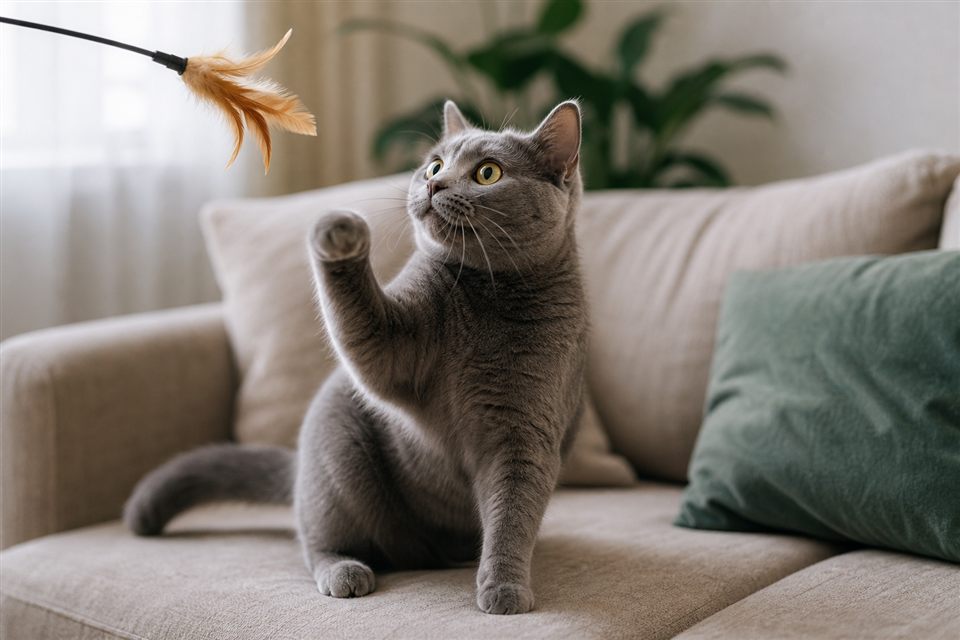
- A 15-minute wand-toy hunt at 9–10 p.m. (chase, pounce, catch) reduces overnight zoomies more than extra daytime naps.
- New yowling in senior cats can signal hyperthyroidism, hypertension, or cognitive dysfunction—blood pressure and thyroid labs belong on the checklist.
- Intact females in heat and intact males sensing outdoor cats yowl loudly—spay/neuter often cuts volume within one cycle.
- Deaf cats may yowl because they cannot hear their own volume; bright light at night can worsen disorientation in visually impaired seniors.
Practical Tips
- Use an automatic feeder for a small 3–4 a.m. meal if early hunger fits the pattern—measure total daily calories.
- Keep bedroom doors closed with a white-noise machine outside; respond only on a schedule you choose, not every cry.
- Record a 30-second audio clip and note your cat's age, weight trend, and litter habits for your vet visit.
This article is for general educational purposes only and does not replace professional veterinary advice. Contact your vet if your pet shows ongoing symptoms.