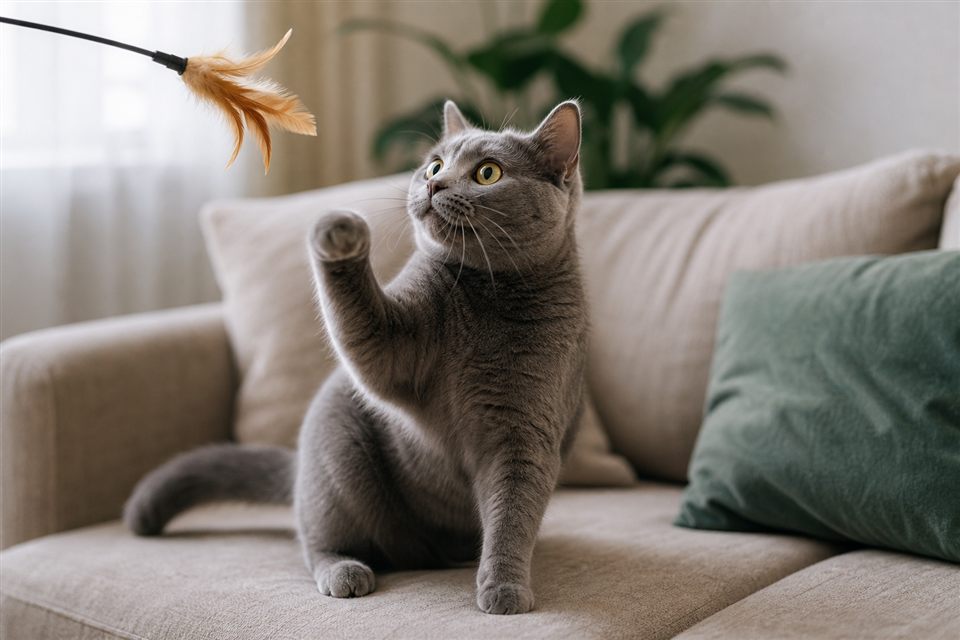
A cat sitting on your chest at four in the morning demanding breakfast feels personal but usually reflects biology plus training. Cats are crepuscular hunters most active at dawn and dusk. If you once fed them immediately after early meowing, they learned that vocalizing opens the kitchen. Automatic feeders, late-night small meals, and ignoring demands after bedtime rebuild healthier sleep for both species. Persistent dawn yowling in senior cats may signal hyperthyroidism, pain, or cognitive changes requiring medical workup before behavior plans alone.
Ignoring learned begging works only when every household member responds consistently and when medical causes are ruled out. Random midnight snacks from one family member undo weeks of progress. Environmental enrichment the previous evening reduces restless hunting behavior before bedtime. The sections below outline feeding timing adjustments, device options, and red flags separating habit from illness.
Why dawn feeding demands happen
Internal clocks align with sunrise even in dark bedrooms. Empty stomachs after an early dinner increase motivation. Bored overnight cats convert hunger into attention seeking. Kittens and lean active adults burn calories faster than sedentary seniors. Learned reinforcement remains the most common fixable cause when health screens are normal.
Resetting the schedule over two weeks
Shift the largest meal to bedtime, thirty to sixty minutes before you sleep. Use a timed automatic feeder set to open at your desired breakfast hour so food appears without you responding to meows. Ignore vocal demands outside that window; do not yell, which still counts as attention. Increase daytime play sessions especially evening wand toy hunts to discharge predatory energy. Consistency across weekends matters; sleeping in still triggers old expectations unless the feeder maintains timing.
Questions owners ask most often
Will ignoring my cat be cruel? Scheduled food is not starvation when total daily calories meet veterinary targets. Do automatic feeders fix every case? They help learned hunger; they do not treat medical hyperthyroidism or pain. Should I leave dry food out overnight? Measured late-night kibble can bridge gaps if it fits your cat's weight plan.
Medical screening before behavior training alone
Senior cats that suddenly scream before breakfast may have hyperthyroidism driving ravenous hunger despite normal appearance. Weight loss with good appetite, vomiting, or increased thirst pairs poorly with simple schedule fixes. Arthritis pain can spike at rest in early morning hours, causing yowling mistaken for food demands. Cognitive dysfunction in geriatric cats produces nighttime vocalization unrelated to empty bowls. A basic senior panel with thyroid testing rules out treatable disease before you invest weeks in ignoring cries. Young adult cats with stable weight and normal exams rarely need blood work first, but any appetite or litter box change still deserves mention at annual visits.
Multi-cat homes and competing schedules
One cat may learn that four am meowing wakes the human who then feeds everyone, reinforcing the loudest individual. Feed cats in separate rooms with doors closed during schedule resets so only the timed feeder releases food. Slower eaters should not depend on leftovers from a bolting housemate. Separate automatic units per cat prevent bullying at the feeder slot. If one cat needs weight loss while another needs maintenance calories, measured meals are mandatory; free feeding fails immediately in mixed-needs households.
Key Points
- Dawn activity is normal cat rhythm amplified by feeding reinforcement.
- Bedtime meal plus automatic morning feeder breaks the you-equals-food link.
- Senior cats with weight loss and howling need blood work before training alone.
- All humans in the home must ignore early demands equally.
- Evening enrichment reduces overnight restlessness in many indoor cats.
Practical Tips
- Place the automatic feeder outside the bedroom so you are not the delivery signal.
- Use puzzle feeders for the bedtime portion to extend eating time.
- Block bedroom door with a draft stopper if your cat scratches for entry.
- Track meowing dates alongside appetite and weight for vet visits.
- Avoid feeding immediately upon waking for any reason including weekends.
- Consider microchip feeders if multiple cats compete at night.
Building a two-week action plan
Choose one or two changes from this article to implement this week rather than attempting every tip at once. Note your pet's baseline behavior on day one, then review progress on day fourteen with the same lighting and timing conditions when possible. Small consistent adjustments outperform dramatic overhauls that last only a few days. If you see no improvement after following veterinary guidance for two weeks, schedule a follow-up rather than switching randomly to unrelated internet advice that may confuse the underlying issue further.
First-time pet owners often search these symptoms late at night and worry unnecessarily or wait too long. When in doubt, call your veterinary team with a short video clip; many clinics offer nurse triage by phone. The guidance here supports informed conversations with professionals rather than replacing hands-on examination of your individual dog or cat.
When to call your vet
Book an appointment if dawn yowling pairs with weight loss, ravenous appetite, vomiting, or restlessness in cats over eight years. Hyperthyroidism, diabetes, and pain can mimic demanding behavior. Your veterinarian can run blood tests and discuss behavior plans compatible with diagnosed conditions.
Summary for busy owners
If you remember only a few points from this guide, keep these in mind: watch for patterns that repeat daily rather than one isolated incident, adjust home routines before buying expensive products, and contact your veterinary team early when behavior or appetite changes alongside the main symptom. Most problems improve fastest when medical causes are ruled out first and management stays consistent for at least two weeks before you declare an approach failed. Write down dates and take short videos so your next appointment covers facts rather than guesses.
This article is for general educational purposes only and does not replace professional veterinary advice. Contact your vet if your pet shows ongoing symptoms.