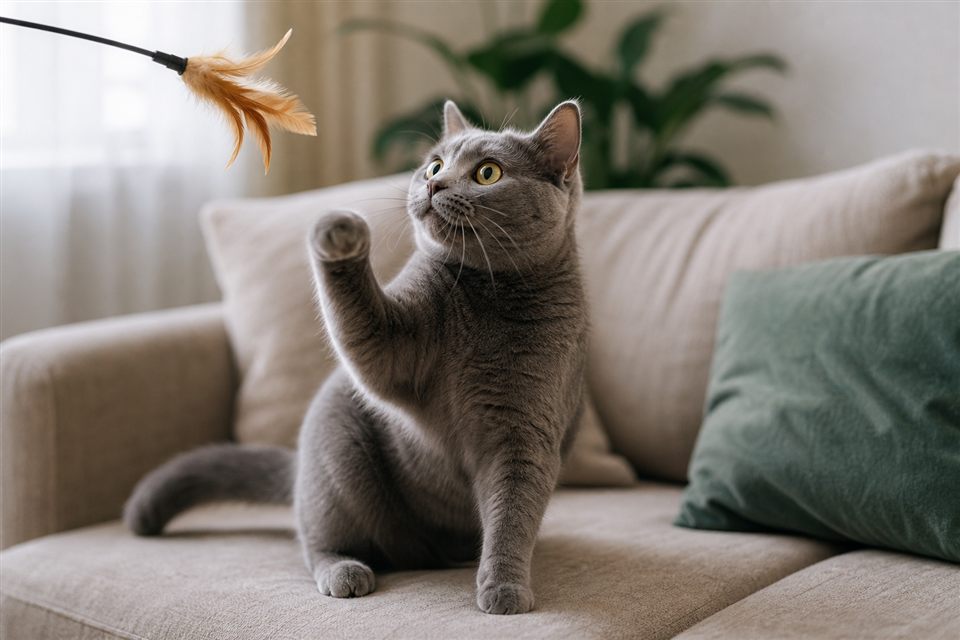
If your cat sits across the room, holds your gaze, and deliberately closes its eyes halfway before opening them again, you may have received one of feline communication’s highest compliments. The slow blink—sometimes called a “cat kiss”—is widely interpreted by behaviorists as a sign of relaxation and social trust. It is the opposite of a hard stare, which between unfamiliar cats can signal challenge or tension. Many owners wonder whether they should blink back. In most cases, yes: returning a slow blink can reinforce bonding without forcing interaction. Understanding context, individual personality, and body language beyond the eyes helps you use this tool kindly rather than as a gimmick that backfires with fearful cats.
What a Slow Blink Communicates
Cats are both predators and prey animals. Closing the eyes—even briefly—means the cat feels safe enough to drop vigilance in your presence. Kittens and adults may slow-blink at trusted humans, familiar cats, and sometimes at relaxed dogs in multi-species homes. The gesture often appears when your cat is lounging, grooming, or waiting for dinner—not during play aggression or stalking toys. Pair the blink with loose whiskers, upright ears without rotation, and a softly curved tail for a full “all clear” picture. A cat that stares without blinking, with flattened ears or a twitching tail, is not offering affection; it may be overstimulated or guarding territory. Never interpret a single signal in isolation.
Slow blinking is not submission like a dog rolling over. It is affiliative communication—cats use it to maintain friendly group dynamics. Research on cat-human interaction suggests many cats respond positively when humans slow-blink at them, approaching more readily in experimental settings. Real homes vary: shy rescues may need weeks of passive presence before returning a blink.
Key Points
- Slow blinks usually mean comfort and trust, not sleepiness alone.
- Hard staring without blinking can feel threatening to cats.
- Blinking back gently often strengthens your bond when the cat is relaxed.
- Do not force eye contact with fearful or newly adopted cats.
- Combine blinks with calm voice, treats, and respect for personal space.
- Sudden behavior changes still warrant a veterinary check despite calm eyes.
How to Slow-Blink With Your Cat Successfully
Start when your cat is already settled, not when you are towering over them or blocking escape routes. Soften your face, avoid leaning in, and offer one slow blink—close eyes for a second or two, open gently. Pause and let your cat choose whether to blink back, look away, or approach. If they approach, offer a chin rub only if they usually enjoy touch; some cats prefer parallel companionship on the sofa. Repeat during predictable calm moments: after feeding, during evening wind-down. Avoid rapid repeated blinking like a game; cats respond to calm consistency. With timid cats, sit sideways, read a book, and allow them to observe you without direct approach. Slow blinks from you can eventually be returned once they feel agency over distance.
Children should learn that grabbing a blinking cat breaks trust. Teach “blink, wait, let the cat come” instead of picking up a cat mid-blink. In multi-cat homes, slow-blink each cat individually—competition for attention can trigger jealousy if one cat monopolizes interaction.
Practical Tips
- Film short clips of your cat’s eyes and tail together when learning body language.
- Never punish a cat for avoiding eye contact; trust builds at their pace.
- Use slow blinks before nail trims or carrier training to reduce tension when appropriate.
- Avoid direct face-to-face nose touches unless the cat initiates contact.
- If your cat squints one eye only, schedule a vet exam for pain or infection.
When to Contact Your Veterinarian
Trust signals differ from medical eye problems. Squinting, discharge, cloudiness, or pawing at one eye requires prompt veterinary care. Behaviorally, if a previously affectionate cat stops blinking, hides constantly, or reacts aggressively to gentle approach, discuss pain screening and environmental stress with your clinic—not just training tips.
This article is for general educational purposes only and does not replace professional veterinary advice. Contact your vet if your pet shows ongoing symptoms.