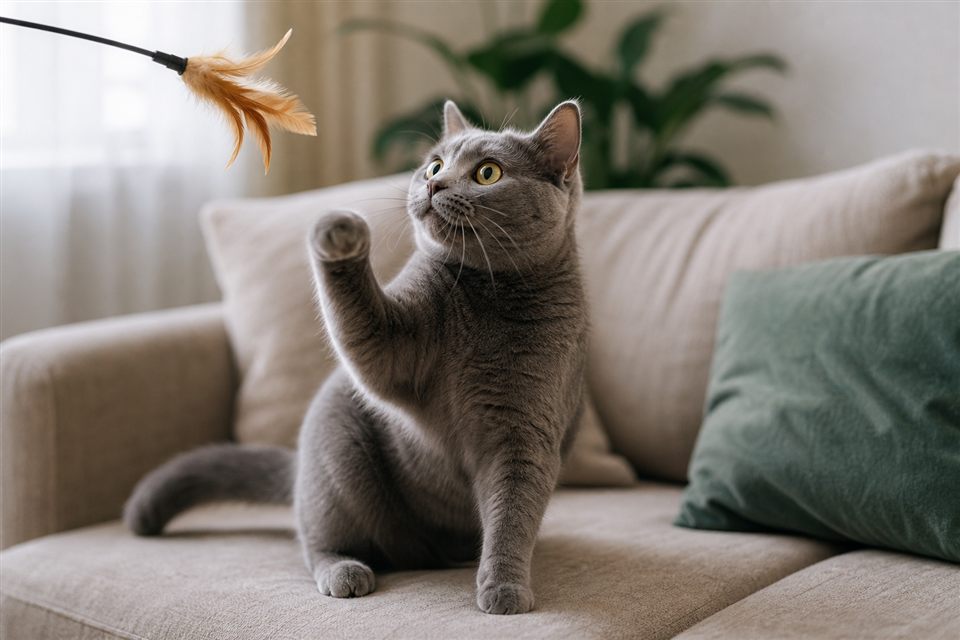
Cats who bonk foreheads against your chin, laptop, or phone screen often leave owners amused and slightly confused about whether the gesture is love, demand for attention, or marking territory. Head bunting, also called head butting, is normal feline social behavior where scent glands along cheeks and forehead deposit pheromones on trusted surfaces including you. The motion differs from pathological head pressing against walls where cats push steadily without social context and may appear disoriented or ill.
Understanding bunting helps you respond with affection without misreading medical emergencies. The sections below explain scent communication, why phones attract rubs, when bunting frequency changes, and red flags separating affection from neurological concern.
Scent glands and social bonding through bunting
Cats communicate heavily through smell invisible to human noses. Bunting spreads facial pheromones marking you as safe group member rather than invader. Allorubbing between cats strengthens colony bonds; when directed at humans it reflects trust and comfort. Slow blink paired with bunt is high compliment in feline language. Kittens learn bunting from mothers during nursing weeks.
Why phones and laptops get extra attention
Devices carry your hand scent concentrated from hours of touch, making them prime bunting targets when you ignore cat for scrolling. Warm phones mimic body heat. Some cats compete with screen for attention and bunt aggressively before knocking device. Providing scheduled play before phone time reduces attention-seeking bunts without discouraging affectionate greeting rituals entirely.
Questions owners ask most often
Is head bunting dominance? Generally no in domestic cats; it signals affiliation not rank challenge. Why bunt then bite? Overstimulation after petting may follow; read body language limits. Do all cats bunt? Personality varies; shy cats may rub sides more than head bonk.
When bunting frequency or style changes suddenly
New excessive bunting paired with appetite shift, vocalization increase, or disorientation warrants veterinary exam. Head pressing into corners with dull eyes differs from playful bunt; film behavior for clinic. Hyperthyroid senior cats sometimes increase rubbing and vocal demands. Painful dental disease may increase face rubbing against hard surfaces seeking pressure relief mistaken for affection.
Encouraging positive bunting without reinforcing nuisance
Reward calm bunts with gentle petting on cheeks cat prefers. Redirect device-chasing bunts to designated scent cloth or brush session. Avoid pushing cat away sharply which confuses social signaling. Multi-cat homes need multiple scent stations so competition for your face does not trigger inter-cat tension at doorway greetings.
Common mistakes to avoid
Confusing head pressing against wall with affectionate bunt delays urgent care. Punishing scent marking on phone increases anxiety in sensitive cats. Assuming bunting always invites full-body petting ignores individual touch tolerance. Ignoring sudden bunting increase in senior cat without thyroid or blood pressure screening. Using strongly scented lotions that overwhelm cat nose and alter bonding rituals oddly.
Key Points
- Head bunting spreads scent and signals trust and affection in most cats.
- Phones attract bunts because they carry your concentrated hand scent.
- Head pressing against walls with illness signs differs from social bunting.
- Sudden behavior changes in seniors deserve veterinary evaluation.
- Scheduled play reduces attention-competition bunts during screen time.
Practical Tips
- Slow blink back when cat bunts to reinforce friendly conversation.
- Keep fleece blanket on desk for acceptable scent rubbing near workspace.
- Film odd pressing behavior to show veterinarian timing and posture.
- Schedule annual senior labs if bunting pairs with weight or thirst changes.
- Pet cheeks and chin rather than belly after bunt unless cat invites more.
- Introduce new cats slowly so bunting spreads colony scent without fights.
Building a two-week action plan
Choose one or two changes from this article to implement this week rather than attempting every tip at once. Note your pet's baseline behavior on day one, then review progress on day fourteen with the same lighting and timing conditions when possible. Small consistent adjustments outperform dramatic overhauls that last only a few days. If you see no improvement after following veterinary guidance for two weeks, schedule a follow-up rather than switching randomly to unrelated internet advice that may confuse the underlying issue further.
First-time pet owners often search these symptoms late at night and worry unnecessarily or wait too long. When in doubt, call your veterinary team with a short video clip; many clinics offer nurse triage by phone. The guidance here supports informed conversations with professionals rather than replacing hands-on examination of your individual dog or cat.
When to call your vet
Same-day evaluation for head pressing against hard surfaces with lethargy, circling, or vision changes. Schedule exam if bunting increases suddenly alongside appetite, thirst, or weight shifts in cats over eight years. Emergency care unlikely for normal affectionate bunting yet confusion about behavior warrants video triage call with nursing staff.
Summary for busy owners
If you remember only a few points from this guide, keep these in mind: watch for patterns that repeat daily rather than one isolated incident, adjust home routines before buying expensive products, and contact your veterinary team early when behavior or appetite changes alongside the main symptom. Most problems improve fastest when medical causes are ruled out first and management stays consistent for at least two weeks before you declare an approach failed. Write down dates and take short videos so your next appointment covers facts rather than guesses.
This article is for general educational purposes only and does not replace professional veterinary advice. Contact your vet if your pet shows ongoing symptoms.