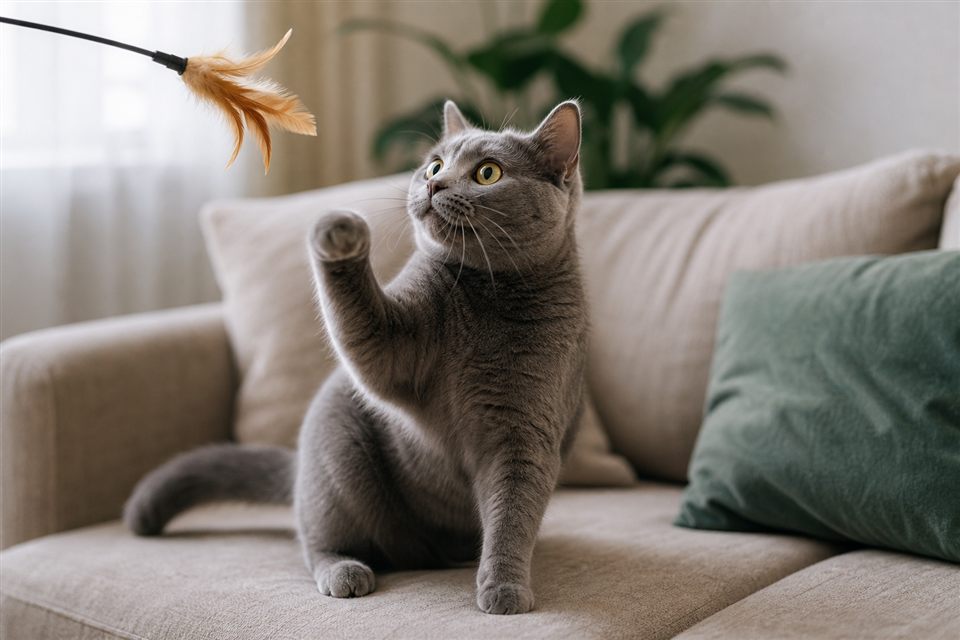
Cats who sprint ahead the moment you stand toward the bathroom then sit sentinel outside the door amuse and puzzle owners wondering whether privacy still exists in their home. Most bathroom following reflects normal feline social bonding, curiosity about closed doors, and attraction to cool tile, dripping faucets, and interesting scents rather than pathology. Some cats treat human routines as group activities because domestic cats form flexible social colonies with preferred associates. Closed doors interrupt visibility triggering mild distress or investigative persistence until you reappear.
Occasionally excessive following signals separation anxiety especially when paired with destructive behavior, constant vocalization, or elimination outside box only when alone. The sections below explain common benign motives, breed and personality factors, and management when bathroom shadowing becomes inconvenient without shaming natural cat sociability.
Social bonding and routine mirroring
Cats learn household schedules quickly. Morning bathroom visits predict feeding, play, or departure for work making your path interesting. Following maintains proximity to trusted caregiver similar to allogrooming partners staying near in multicat colonies. Bathroom time is predictable making it easy anchor for attachment rituals cats repeat daily without malice toward your privacy preferences.
Curiosity about water, scent, and closed doors
Running water fascinates many cats despite independent drinking habits elsewhere. Soap, toothpaste, and personal care product scents mark territory mix when cat investigates after you leave. Closed door blocks visual monitoring; some cats paw or meow until opening restores group cohesion sense. Tile floors feel cool on warm days adding environmental appeal beyond social motives alone.
Questions owners ask most often
Is following me to bathroom normal? Yes for many affectionate indoor cats. Does it mean separation anxiety? Only when extreme distress signs appear during all separations not just bathroom. Should I discourage it? Optional; gentle boundaries work better than punishment.
When following suggests anxiety not casual habit
Excessive vocalization every time door closes, destructive scratching at door, elimination on bath mats when blocked, or panting outside door warrant behavior and medical evaluation. Sudden increase in clinginess in senior cats may reflect hyperthyroidism, pain, or cognitive change needing veterinary labs not only behavior adjustment. Video cat during five-minute separation elsewhere in home to compare reaction intensity.
Setting boundaries without damaging bond
Provide alternate cozy perch near bathroom if cat wants proximity without entering. Ignore pawing at door consistently rather than intermittent opening reinforcing persistence. Offer puzzle feeder in hallway during your brief bathroom trip redirecting focus. Never slam door on curious paws; injury erodes trust faster than following annoys owners.
Common mistakes to avoid
Assuming clingy cat is manipulative rather than social species expressing attachment. Punishing meows outside door increases anxiety in sensitive cats. Encouraging following with petting every bathroom trip then resenting habit later sends mixed signals. Ignoring sudden clinginess increase in senior cat without medical screen. Blocking cat entirely without enrichment elsewhere creates hallway screaming substitute behavior.
Key Points
- Bathroom following is usually normal social curiosity not illness.
- Closed doors and routine predictability drive much of the behavior.
- Severe distress when separated widely suggests anxiety needing professional help.
- Gentle boundaries preserve trust better than punishment.
- Sudden clinginess changes in seniors deserve veterinary evaluation.
Practical Tips
- Leave door cracked slightly if safe if cat calmer with visual contact.
- Place soft bed in hallway for proximity without underfoot tripping hazard.
- Schedule play before shower so cat naps instead of door guard duty.
- Use baby gate allowing sightline during training gradual alone tolerance.
- Film separation reactions outside bathroom context for behavior consult.
- Schedule senior wellness labs if clinginess pairs with weight or thirst changes.
Building a two-week action plan
Choose one or two changes from this article to implement this week rather than attempting every tip at once. Note your pet's baseline behavior on day one, then review progress on day fourteen with the same lighting and timing conditions when possible. Small consistent adjustments outperform dramatic overhauls that last only a few days. If you see no improvement after following veterinary guidance for two weeks, schedule a follow-up rather than switching randomly to unrelated internet advice that may confuse the underlying issue further.
First-time pet owners often search these symptoms late at night and worry unnecessarily or wait too long. When in doubt, call your veterinary team with a short video clip; many clinics offer nurse triage by phone. The guidance here supports informed conversations with professionals rather than replacing hands-on examination of your individual dog or cat.
When to call your vet
Book exam if clinginess increases suddenly with appetite, weight, or litter box changes in cats over eight years. Behavior referral if destruction or elimination occurs whenever any door closes separating cat from you. Medical causes should be ruled out before labeling separation anxiety purely behavioral.
Summary for busy owners
If you remember only a few points from this guide, keep these in mind: watch for patterns that repeat daily rather than one isolated incident, adjust home routines before buying expensive products, and contact your veterinary team early when behavior or appetite changes alongside the main symptom. Most problems improve fastest when medical causes are ruled out first and management stays consistent for at least two weeks before you declare an approach failed. Write down dates and take short videos so your next appointment covers facts rather than guesses.
This article is for general educational purposes only and does not replace professional veterinary advice. Contact your vet if your pet shows ongoing symptoms.