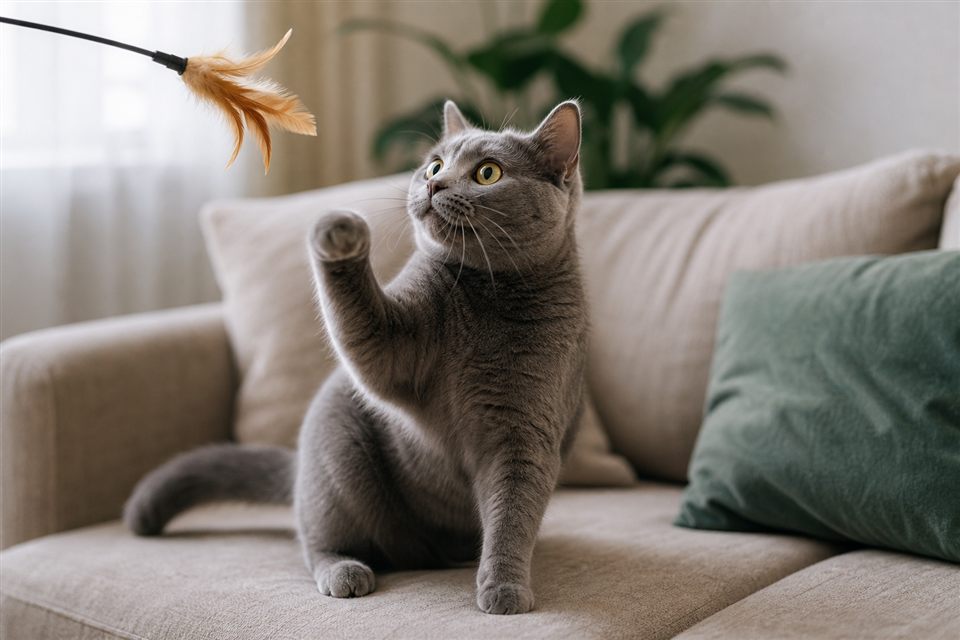
Many indoor cats sit on windowsills, see birds or squirrels, and produce rapid chirps or jaw chatter that fascinates owners. The behavior looks like excitement, frustration, or even imitation of prey calls. While scientists still debate every detail, most behaviorists agree it reflects predatory arousal when a cat sees prey it cannot reach. Understanding the instinct helps you enrich indoor life without punishing natural communication.
What the chirping probably means
Cats are visual hunters. Sudden movement triggers stalking posture, focused stare, forward ears, and sometimes vocalizations. Chattering may accompany anticipation of a pounce that cannot happen through glass. Some cats chatter when watching insects indoors too. It is generally harmless unless followed by redirected aggression toward people or other pets.
Is frustration involved
Blocked access to prey can increase arousal, but chirping alone does not mean your cat is miserable. Providing alternative hunting outlets often reduces restlessness more than removing window access entirely. Completely blocking outdoor views may increase boredom in indoor-only cats unless you add other stimulation.
Key Points
- Chirping at birds is normal for many cats and not a sign of illness by itself.
- Ensure window screens are secure so arousal does not lead to dangerous escape attempts.
- Redirect high arousal with wand toys that mimic bird movement after window sessions.
- Feeding puzzles satisfy hunting sequence needs: stalk, chase, bite, eat.
- Multiple short play sessions daily reduce redirected swats at housemates.
Practical Tips
- Set up a safe bird-watching perch with a cushioned ledge at sill height.
- Schedule interactive play in the evening when predatory activity peaks.
- Rotate toys weekly so novelty maintains interest.
- If chattering ends with attacking your ankles, increase distance from the window and initiate toy play before arousal peaks.
- Consider leash walks or enclosed catio time only if your vet and local rules support safe outdoor enrichment.
When to call your vet
Rarely, oral pain or neurologic issues cause unusual jaw movement, usually with drooling, bad breath, or difficulty eating. Consult your vet if chattering happens without visual triggers or is accompanied by facial twitching unrelated to window watching. Otherwise, enjoy the commentary and offer healthy hunting substitutes indoors.
This article is for general educational purposes only and does not replace professional veterinary advice. Contact your vet if your pet shows ongoing symptoms.