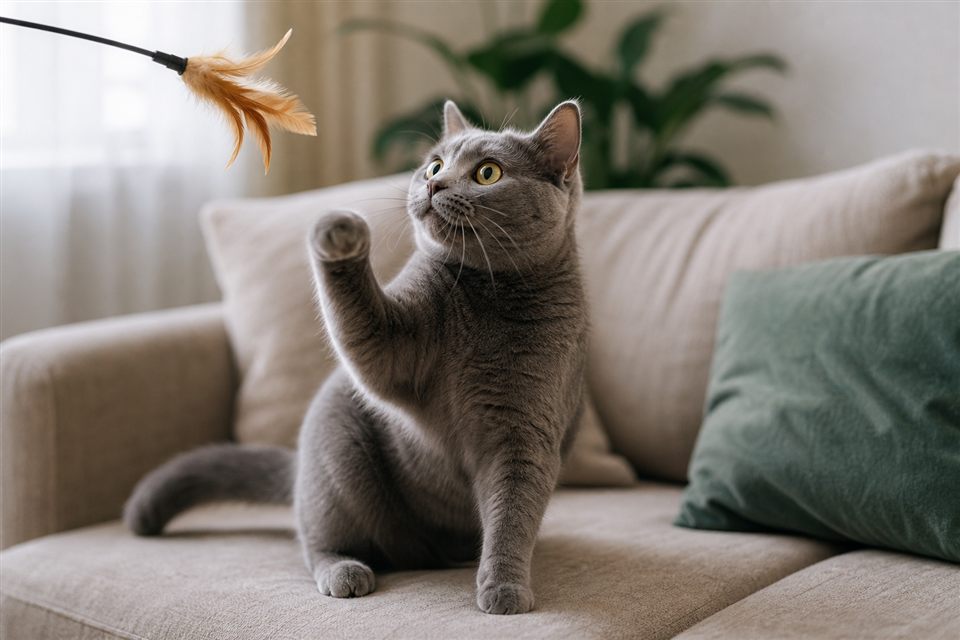
Cats who expose their belly then rabbit-kick your forearm with hind legs confuse owners who interpret the posture as unconditional invitation to pet. Belly display often signals trust or defensive readiness rather than request for prolonged stroking. Hind-leg bunny kicking is a normal wrestling motion used on prey and playmates; when directed at human hands it frequently precedes biting when nerve thresholds max out during petting-induced overstimulation.
Learning to read tail flicks, ear rotation, and skin twitching helps you stop contact seconds before kicks escalate into broken skin. The sections below explain why cats kick, how to pet safely, and enrichment alternatives that satisfy play drive without treating your arm as a stuffed toy.
What bunny kicking means in cat body language
The belly is vulnerable tissue cats protect even when rolling playfully. Hind kicks simulate disemboweling prey during vigorous play. When your hand is grabbed with front paws while back legs rake, your cat may be in mixed play-aggression mode rather than cuddling. Short sessions ending on calm note beat pushing for one more stroke that triggers bite.
Overstimulation signs before bites happen
Watch for tail lashing, flattened ears, dilated pupils, and rippling skin along the flank. Vocalization may shift from purring to low growling. Some cats reach a time limit regardless of gentle technique; thirty seconds of belly contact may be maximum even when they initiated the roll. Stop petting at first warning sign and toss a wand toy to redirect hunting drive onto appropriate target.
Questions owners ask most often
Does my cat hate me when she kicks? Usually not; it reflects arousal management failure not relationship rejection. Should I punish kicking? Punishment increases fear; stop contact and redirect instead. Can kittens grow out of it? Handling lessons help but many adult cats retain low belly touch tolerance lifelong.
Safer ways to affection cats who kick
Focus strokes on cheeks, chin, and shoulders where most cats tolerate longer contact. Use interactive wand toys for belly-adjacent play without skin contact. If your cat enjoys wrestling, use thick stuffed kick toys on floor rather than bare hands. Children should learn never to corner cats during belly-up postures on sofas.
When kicking reflects pain not play
Sudden intolerance to touch especially along abdomen may signal abdominal pain, urinary inflammation, or spinal discomfort. Cats hiding after kicking episodes, losing appetite, or avoiding jumps need examination even if play seemed normal weeks earlier. Document whether kicking started after a specific injury or household stressor for your veterinarian.
Key Points
- Bunny kicking during belly rubs is often overstimulation or play not true cuddling request.
- Stop petting at tail flick, skin twitch, or ear flatten before bites occur.
- Redirect to wand toys instead of using hands as wrestling partners.
- Sudden touch sensitivity may indicate pain requiring veterinary exam.
- Cheek and chin strokes suit many cats better than extended belly contact.
Practical Tips
- Set a phone timer for short petting sessions until you learn your cat's limit.
- Keep stuffed kick toys near couch for post-pet play redirection.
- Teach family members to withdraw hands calmly without jerking away dramatically.
- Film sessions once to review body language you miss in real time.
- Never hold a cat on their back against their struggle to escape.
- Schedule vet visit if touch tolerance drops suddenly in senior cats.
Building a two-week action plan
Choose one or two changes from this article to implement this week rather than attempting every tip at once. Note your pet's baseline behavior on day one, then review progress on day fourteen with the same lighting and timing conditions when possible. Small consistent adjustments outperform dramatic overhauls that last only a few days. If you see no improvement after following veterinary guidance for two weeks, schedule a follow-up rather than switching randomly to unrelated internet advice that may confuse the underlying issue further.
First-time pet owners often search these symptoms late at night and worry unnecessarily or wait too long. When in doubt, call your veterinary team with a short video clip; many clinics offer nurse triage by phone. The guidance here supports informed conversations with professionals rather than replacing hands-on examination of your individual dog or cat.
When to call your vet
Book an exam if your cat suddenly rejects all touch, if kicks pair with abdominal pain signs, or if bites break skin repeatedly after previously calm handling. Same-day care is wise when belly sensitivity appears with vomiting, litter box straining, or hunched posture. Your veterinarian can rule out pain and refer certified behavior help if play aggression persists despite management.
Summary for busy owners
If you remember only a few points from this guide, keep these in mind: watch for patterns that repeat daily rather than one isolated incident, adjust home routines before buying expensive products, and contact your veterinary team early when behavior or appetite changes alongside the main symptom. Most problems improve fastest when medical causes are ruled out first and management stays consistent for at least two weeks before you declare an approach failed. Write down dates and take short videos so your next appointment covers facts rather than guesses.
This article is for general educational purposes only and does not replace professional veterinary advice. Contact your vet if your pet shows ongoing symptoms.