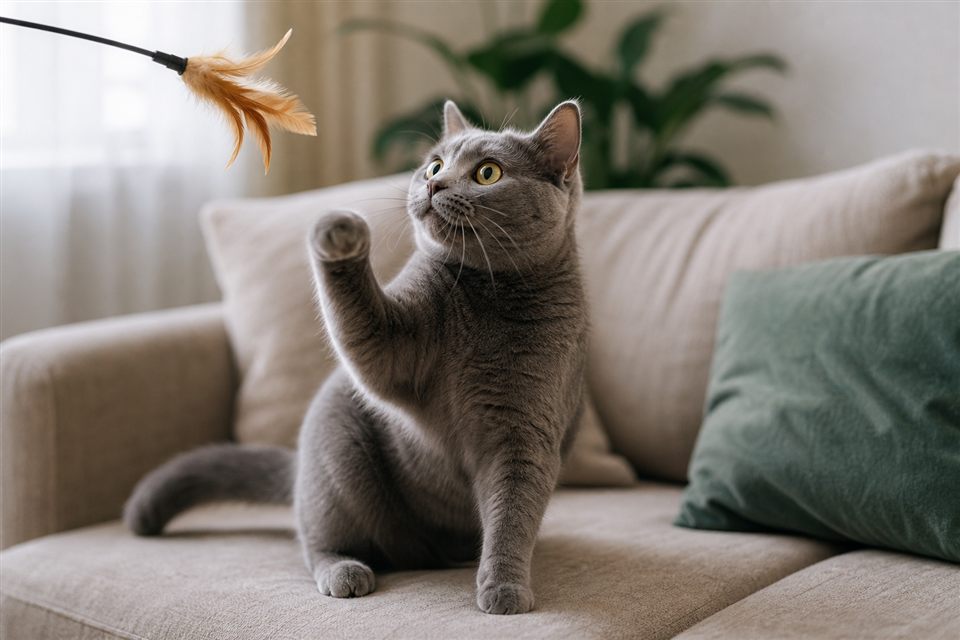
If your cat seems to do nothing but nap, you are not alone—it is one of the most searched cat questions worldwide. Healthy adult cats sleep roughly 12–16 hours per day, and seniors may sleep more. The issue is not total hours alone but sudden changes, poor responsiveness, and other symptoms paired with sleep.
Why cats sleep more than dogs or humans
Cats are crepuscular hunters, wired for short bursts of activity at dawn and dusk. Between those peaks, conserving energy is normal. Indoor cats without prey still follow the rhythm—you may notice zoomies at 5 a.m. and evening play, with long naps midday.
Deep sleep occupies only part of total rest. Much “sleep” is dozing with ears rotating toward sounds. A cat that opens eyes briefly when you enter the room is monitoring the environment, not necessarily lazy.
Normal vs concerning sleep patterns
Normal: Wakes for meals, greets you at the door, plays with toys daily, uses the litter box normally, and maintains stable weight.
Concerning: Sleeping through favorite food, hiding, ignoring interaction for 24+ hours, or sleeping more after a recent household change plus weight loss. Lethargy is different from lazy—it is decreased interest in life.
Medical reasons for increased sleep
Hypothyroidism is less common in cats than dogs, but kidney disease, diabetes, anemia, heart disease, and chronic pain increase sleep. Arthritic cats sleep more because movement hurts—watch for reluctance to jump. Infections and fever cause deep sleep with warm ears and reduced grooming.
Obesity reduces activity; fat cats sleep more because exercise is harder. Painful dental disease lowers play. Blood work and a hands-on exam help your vet separate normal cat laziness from illness.
Behavioral and environmental factors
Bored indoor cats without vertical space or hunting games nap by default. A window perch, two daily 10-minute wand-toy sessions, and rotating puzzle feeders increase awake engagement. Multi-cat stress—bullying at food bowls or litter boxes—can make a subordinate cat hide and sleep to avoid conflict.
How to enrich waking hours
- Feed partly through treat puzzles so eating takes effort.
- Place bird feeders outside windows for “cat TV.”
- Use three short play sessions rather than one long one—predator bursts match feline biology.
- Provide heated beds for seniors in winter—comfort improves sleep quality at night.
See your vet if sleep increases suddenly over 1–2 weeks, or if you notice poor coat, vomiting, increased thirst, or litter box changes alongside extra napping.
Kitten vs adult sleep patterns
Kittens sleep up to 20 hours while growing—burst play, then collapse. Adolescent cats may reverse schedules to match household activity, sleeping less during noisy evenings and napping when the house is quiet. Multi-cat homes often show staggered sleep so someone is always “on watch”—this is normal feline social behavior, not hypervigilance unless paired with aggression.
Newly adopted cats may sleep excessively for the first week while decompressing. Provide hiding spots and low-traffic feeding areas. Sleep should normalize as confidence grows; if hiding persists beyond 10–14 days, discuss stress and health with your vet.
Tracking sleep without obsessing
You do not need to count every nap. Instead, track engagement: Does your cat chase the wand toy at least once daily? Respond to name or treat bag? Groom face and paws? Stable grooming and appetite with predictable play windows mean sleep totals are likely fine even if they seem lazy on camera.
Pet activity monitors exist but medical diagnosis still requires exams and labs—devices supplement, not replace, veterinary judgment.
When blood work is worth doing
Annual labs for cats seven years and older catch kidney and thyroid shifts early. If sleep increased over two weeks plus water intake rose or litter clumps grew, request senior blood work and urinalysis even if the cat is younger. Painful arthritis hides behind sleep—joint palpation and weight checks belong in every exam.
Do not assume “cats just sleep” when personality changes. Subtle lethargy is one of the earliest signs of many feline diseases because cats mask illness until late stages.
Talking with family members about medication safety
Grandparents and roommates may not know that one Advil tablet harms dogs. Post a clear “no human meds” note where caregivers see it. After surgery, confirm everyone understands the pet-specific prescription schedule so doses are not doubled or skipped.
This article is for general educational purposes only and does not replace professional veterinary advice. Contact your vet if your pet shows ongoing symptoms.