At three in the morning, a cat yowling in the hallway turns owners into zombies. Night vocalization has multiple drivers: learned attention rewards, hunger schedules, unspent hunting drive, intact mating behavior, pain, hyperthyroidism, or cognitive dysfunction in seniors. Fixing sleep requires identifying which cause fits your cat rather than yelling back—which many cats interpret as successful conversation. Structured daytime play, timed feeders, and veterinary screening transform nights faster than punishment or locking cats in rooms without enrichment.
Common Behavioral Causes
Cats learn that night meowing summons feeding or petting. Free-feeding with empty bowls by dawn creates predictable hunger cries. Under-stimulated indoor cats release hunting energy vocally at night. Intact females and males vocalize heavily during breeding seasons—spay and neuter resolves much breeding-related noise. Some breeds, like Siamese, are naturally chatty; management still helps without silencing personality entirely.
Medical Causes to Rule Out
Sudden night yowling in older cats warrants blood work for hyperthyroidism, pain from arthritis, dental disease, and cognitive dysfunction syndrome—similar to dementia. Hypertension causes disorientation and crying. Urinary discomfort may increase night activity. Never assume "just old age" without examination.
Key Points
- Do not reward meowing with food or play at night once you want silence.
- Evening hunting-style play reduces nocturnal energy.
- Timed feeders before bed address hunger-driven vocalization.
- Senior cats need medical workups for new night crying.
- Spay or neuter intact cats to reduce mating calls.
- White noise may help light sleepers tolerate mild chatter.
Practical Tips
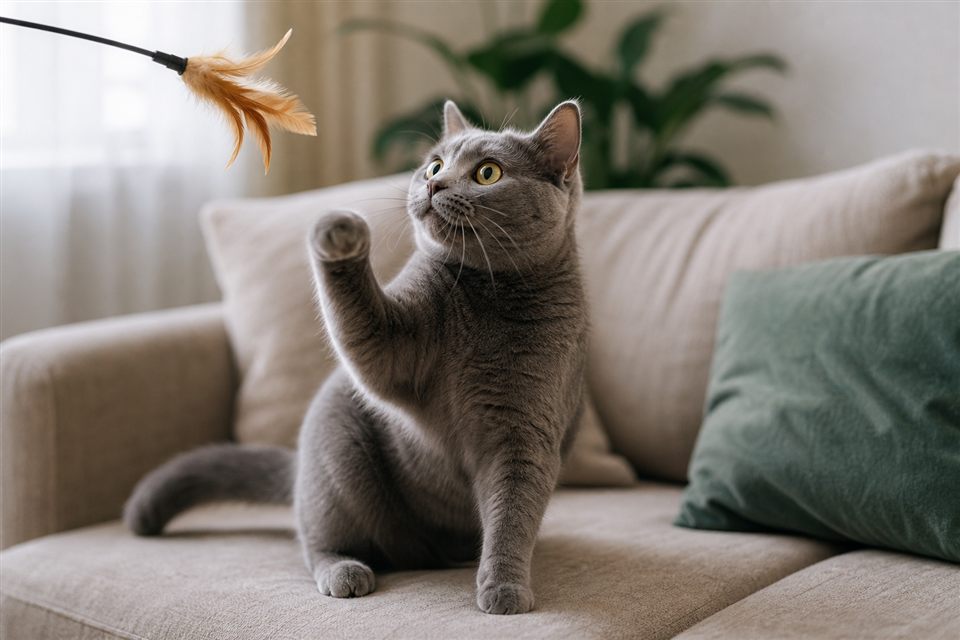
- Schedule fifteen minutes of wand toy play before your bedtime.
- Feed a small meal or timed portion late evening.
- Provide safe night enrichment like cardboard scratchers in bedroom vicinity.
- Use nightlights for seniors with vision decline.
- Discuss melatonin or prescription options only with your vet.
When to Contact Your Veterinarian
Book exams for new vocalization in cats over eight years, weight changes, or disorientation. Same-day care is needed if crying pairs with straining in litter box or breathing difficulty.
This article is for general educational purposes only and does not replace professional veterinary advice. Contact your vet if your pet shows ongoing symptoms.