One moment your cat purrs on your lap—the next, teeth pinch your hand without breaking skin. Owners call these love bites, but meaning varies. Overstimulation during long petting sessions tops causes: nerve endings fire intensely until cats need shutdown. Some kittens never learned bite inhibition during play with littermates. Affectionate nibbling mimics grooming partners. Misread body language invites surprise when tail lashing preceded warnings ignored. Distinguishing playful, affectionate, and defensive bites guides response better than punishing communication attempts.
Overstimulation and Petting Limits
Cats tolerate stroking along cheeks and head longer than belly or lower back in many individuals. Dilated pupils, skin twitching, tail thumping, and flattened ears signal rising intensity. Continuing petting triggers quick bite-stop interaction. Learning each cat threshold prevents cycles. Short frequent sessions beat marathon cuddles pushing limits. Let cats initiate contact when possible—they control duration better.
Play Versus Affection Bites
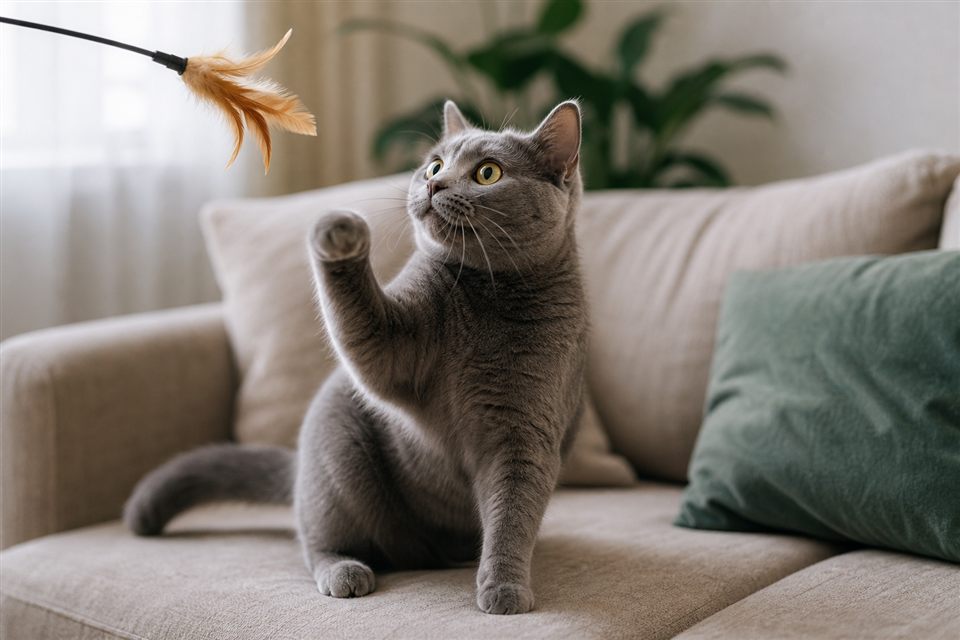
Young cats ambush moving hands when wand toys absent—redirect to prey toys immediately. Gentle nibbles without pressure during kneading may express bonding without aggression intent. Sudden hard bites with hissing indicate fear or pain requiring space—not discipline. Rule out dental pain or arthritis if previously tolerant cats become bite-prone when touched in specific areas.
Key Points
- Gentle bites during purring often signal overstimulation, not hatred.
- Watch tail, ears, and skin twitching before bites occur.
- Never use hands as toys with kittens—wand toys only.
- End petting at first warning signs to build trust.
- Sudden bite personality changes warrant veterinary pain evaluation.
- Redirect to toys rather than yelling after overstimulation bites.
Practical Tips
- Pet in short bursts matching cat body language consent.
- Keep interactive toys near couches for redirection.
- Reward calm lap sitting without biting using treat placement.
- Avoid belly rubs unless individual cat consistently enjoys them.
- Film sessions to identify exact petting zones triggering bites.
When to Contact Your Veterinarian
Book visits if biting pairs with hiding, appetite loss, or sensitivity along spine or joints. Behavioral consultants help severe aggression beyond overstimulation patterns.
This article is for general educational purposes only and does not replace professional veterinary advice. Contact your vet if your pet shows ongoing symptoms.