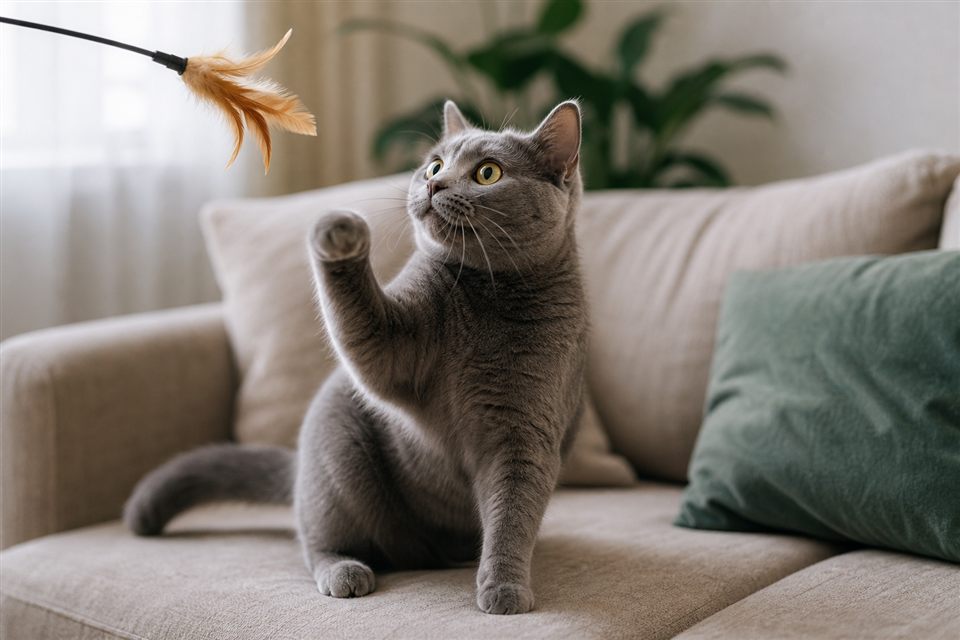
Social media shows confident cats hiking trails in tiny harnesses, and owners wonder whether their window-gazing tabby could join the trend. Harness walks can enrich indoor cats’ lives when done thoughtfully—but they are not right for every feline, and safety risks differ sharply from dog walking. Preparation, training, and realistic expectations matter more than the cutest vest on the market.
Potential benefits of supervised outdoor time
Controlled outdoor access provides novel smells, textures, and bird sounds that indoor-only life lacks. Mental stimulation may reduce boredom behaviors like over-grooming or midnight zoomies in some cats. Overweight indoor cats sometimes move more during short, positive yard sessions—though harness walking is not a substitute for structured play and portion control.
For apartment dwellers without safe catio space, a harness can offer occasional grass contact under close supervision. The keyword is supervised: a cat on leash is vulnerable to dogs, cars, predators, and escape if equipment fails.
Risks owners underestimate
Escape and panic: A startled cat can back out of poorly fitted harnesses or slip collars. Once loose outdoors, many indoor cats hide silently rather than coming when called—microchips and breakaway collars with ID still matter.
Disease and parasites: Fleas, ticks, heartworm (region-dependent), intestinal worms, and feline infectious diseases spread outdoors even in suburban yards. Discuss prevention with your veterinarian before first outings.
Stress and trauma: Forcing a fearful cat outside can create lasting anxiety. Some cats freeze, thrash, or scream—prolonged distress outweighs enrichment benefits.
Dogs and wildlife: Even leashed dogs may lunge. Hawks and coyotes pose real threats to small cats in open areas. Avoid dawn and dusk in high-predator regions.
Choosing and fitting a harness
Escape-proof styles with multiple buckles and a snug chest piece outperform single-strap designs. The harness should allow two fingers to slide under straps—not spin freely on the torso. Never attach a leash to a neck collar; cats’ delicate tracheas and climbing reflexes make collar walks dangerous.
Introduce the harness indoors without the leash: place it near food, then drape briefly, then buckle for seconds while treating. Progress over days until your cat wears it comfortably during play. Only then add a lightweight leash and drag it indoors before any door opens.
Training progression that builds confidence
Week 1: Harness only indoors, paired with high-value treats and wand play.
Week 2: Leash follow inside—let the cat lead; never pull.
Week 3: Open door to enclosed patio or quiet yard for five minutes, exit before stress peaks.
Ongoing: Short sessions beat long marches. End on a calm note back indoors.
Carry the cat through the doorway initially—some cats associate threshold crossing with freedom to bolt. A pet stroller can bridge training for nervous cats who enjoy sights but not footing on grass.
Alternatives if harness life is not a fit
- Secure catio or balcony netting rated for cat weight
- Window bird feeders and elevated perches for visual enrichment
- Indoor scent games: hide treats in boxes with crumpled paper “leaves”
- Supervised “catio time” in a portable playpen on grass for ten minutes
Indoor-only cats live long, safe lives with rich environmental design. Outdoor access is optional enrichment, not a requirement for welfare.
When to stop or never start
Skip harness training if your cat is medically fragile, declawed (reduced climbing escape options and paw sensitivity), extremely fearful, or lives in high-traffic urban streets without green space. Consult your veterinarian if your cat is FIV-positive or FeLV-positive—outdoor exposure increases infectious risk beyond prevention reach.
If your cat consistently shows dilated pupils, flattened ears, or refusal to move after three weeks of patient training, accept that indoor enrichment fits better. Forcing adventure culture onto a homebody cat serves Instagram, not the cat.
Seasonal and neighborhood safety checklist
Spring pollen may trigger sneezing fits mid-walk—shorten outings on high pollen days. Summer pavement heat burns paw pads before owners notice; test asphalt with your hand for seven seconds before continuing. Autumn leaf piles hide ticks and pesticides from treated lawns. Winter salt and antifreeze drips in parking lots are toxic if licked during brief explorations.
Register your cat’s microchip with current contact data before first outdoor sessions. A breakaway collar with ID adds backup if harness fails. Tell neighbors you are training so they do not release startled cats or unleash dogs into your training zone.
This article is for general educational purposes only and does not replace professional veterinary advice. Contact your vet if your pet shows ongoing symptoms.