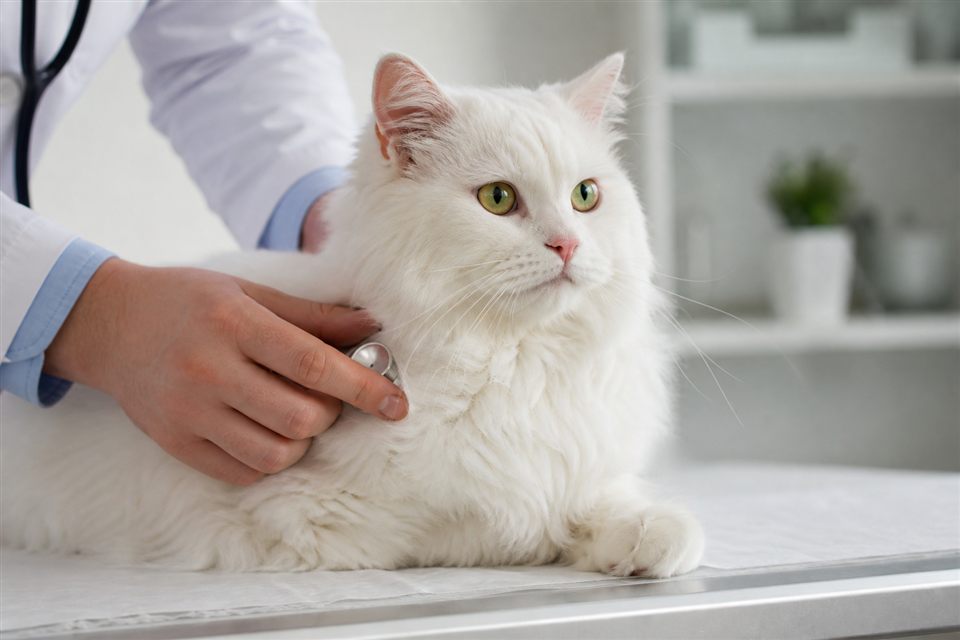
If your cat chewed any part of a true lily — petal, leaf, stem, pollen, or even drank vase water — treat it as a life-threatening emergency. Every minute counts. Lilies cause acute kidney failure in cats at doses so small that a single fallen petal or paw-full of pollen can be fatal without rapid treatment. Do not wait to see if your cat acts sick.
Key points at a glance
- True lilies (Easter, tiger, Asiatic, day, Japanese show) are extremely toxic to cats.
- Any ingestion — including licking pollen or vase water — requires emergency vet care.
- Symptoms may not appear for 12–24 hours, but kidney damage starts earlier.
- Bring the plant or a photo for identification; not all "lily" plants are equally toxic.
- Prevention means zero lilies in cat homes — no exceptions.
Step 1: Call your emergency vet immediately
Phone the nearest 24-hour veterinary hospital right now — before bathing your cat or searching online. Tell them your cat had lily exposure, when it happened, and what part was consumed. They will instruct you whether to come immediately and may advise decontamination steps en route.
ASPCA Animal Poison Control can also calculate risk if your vet recommends it, but physical veterinary care cannot wait.
Step 2: Prevent further exposure
Remove the plant from your cat's reach. Rinse fur and paws gently with lukewarm water if you see yellow pollen — cats ingest toxins while grooming stained fur. Do not force oral fluids or home remedies; incorrect treatments waste critical time.
Step 3: Go to the clinic — even if your cat looks fine
Cats often appear normal for hours after lily ingestion while kidneys sustain silent injury. Standard emergency treatment includes inducing vomiting when ingestion was recent, activated charcoal, intravenous fluids for 48–72 hours minimum, and serial blood work monitoring kidney values (creatinine, BUN, phosphorus).
Delaying care until vomiting or lethargy appears significantly reduces survival rates.
Which plants are the real danger?
Highly toxic true lilies include Easter lily, tiger lily, Asiatic hybrid lilies, daylily (Hemerocallis), and Japanese show lily. Peace lilies and calla lilies are not true lilies — they cause oral irritation but different toxicity — still call your vet for any plant ingestion.
| Plant | Cat kidney risk |
|---|---|
| Easter / tiger / Asiatic lily | Severe — emergency |
| Daylily (Hemerocallis) | Severe — emergency |
| Peace lily | Oral irritation, not true lily |
| Lily of the valley | Heart toxicity — also emergency |
After recovery and prevention
Cats who survive lily poisoning may have lasting kidney compromise requiring lifelong diet and monitoring. The only reliable prevention is keeping lilies out of your home entirely — including bouquets from friends and holiday centerpieces.
The bottom line
One lily petal can destroy a cat's kidneys. If exposure happened, call an emergency vet now, rinse visible pollen from fur, and transport your cat immediately — do not watch and wait. Speed of IV fluid therapy determines whether your cat walks out of the hospital.
This article is for general education only and does not replace advice from your veterinarian. Always consult a qualified professional about your individual pet's diet and health.