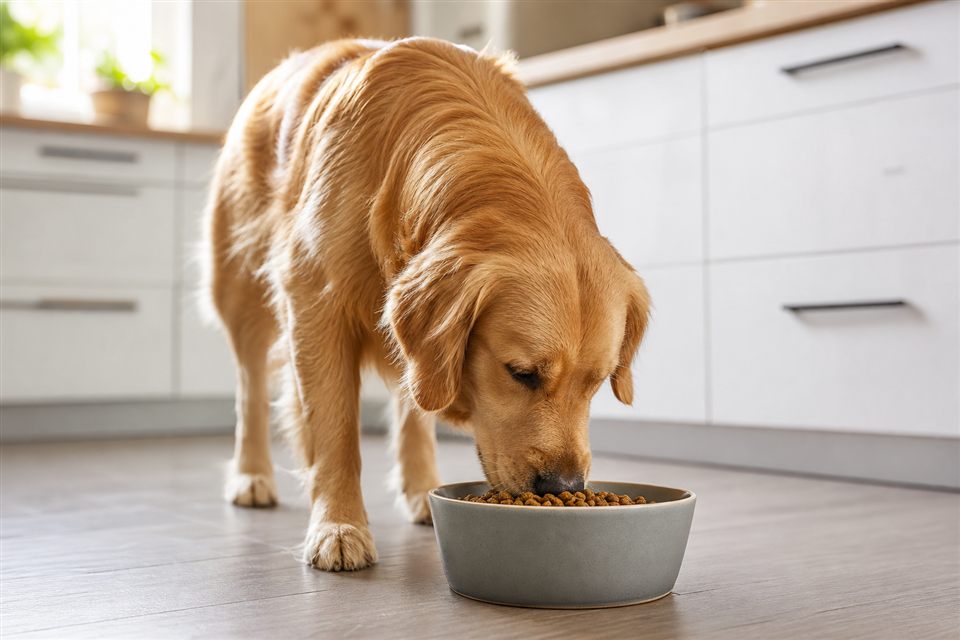
Tom scattered a handful of sunflower seeds on his back porch for the birds and turned around to find his beagle, Daisy, crunching through the pile with industrial efficiency. The bag said "in shell," and Tom spent the next hour googling whether Daisy had just eaten something clever or something foolish.
Key points at a glance
- Unsalted, shelled sunflower seed kernels are safe for most dogs as an occasional treat in small quantities.
- Sunflower seed shells are sharp, fibrous, and indigestible—they can cause throat irritation, intestinal blockage, or perforation.
- Limit treats to roughly one teaspoon of kernels for small dogs and one tablespoon for large dogs, a few times weekly.
- Seeds are calorie-dense and high in fat; overfeeding contributes to pancreatitis and weight gain.
- Roasted unsalted kernels are fine; avoid salted, flavored, or chocolate-coated varieties entirely.
- Dogs with pancreatitis history, obesity, or fat-restricted diets should skip sunflower seeds unless cleared by a vet.
- Whole seeds in shell from bird feed mixes may contain mold toxins—keep them out of reach.
Shelled kernels versus shells: the critical difference
The edible part of a sunflower seed is the kernel—the soft, teardrop-shaped interior. It contains healthy fats, vitamin E, B vitamins, magnesium, and a modest protein boost. Dogs digest shelled kernels well when portions stay small.
The hull or shell is a different story. Sunflower shells are tough, sharp-edged, and made of cellulose that dogs cannot break down. Swallowed shells can scratch the esophagus, clump in the stomach, or lodge in the intestines. Veterinary case reports include obstructions requiring surgery after dogs ate large quantities of in-shell seeds—often from bird feeders or spilled snack mix.
Daisy got lucky because Tom pulled her away after a few crunches. He switched to a jar of raw shelled kernels and counted out ten for training rewards instead of free access to the porch spill.
Safe portions and calorie math
Sunflower seeds are small but calorically loud. One tablespoon of kernels carries roughly 50 to 60 calories and about five grams of fat. For a 20-pound dog whose daily treat budget might be 40 calories total, a tablespoon blows the allowance in one swallow.
| Dog size | Kernel portion per serving | Weekly frequency |
|---|---|---|
| Small (under 20 lb) | 1/2–1 tsp (5–10 kernels) | 2–3× |
| Medium (20–50 lb) | 1 tsp (10–15 kernels) | 2–3× |
| Large (50–90 lb) | 1–2 tsp (15–25 kernels) | 2–3× |
| Giant (90+ lb) | 1 tbsp (25–30 kernels) | 2–3× |
Grind kernels for dogs with dental disease or missing teeth. Whole kernels are fine for dogs who chew; gulpers benefit from crushed seeds mixed into food to slow intake.
Raw, roasted, and what to avoid
Raw shelled sunflower seeds are acceptable. Dry-roasted unsalted kernels are equally fine—the roasting does not introduce harmful compounds when no oil or salt is added. What fails the test: salted stadium seeds, ranch-flavored snack packs, honey-roasted varieties with added sugar, and anything labeled "seasoned."
Chocolate-covered sunflower seeds combine theobromine toxicity with fat overload—a double hazard. Spicy flavors irritate gastric lining. Xylitol-sweetened trail mixes are outright poisonous.
Store seeds in airtight containers. Rancid fats from old seeds cause vomiting and diarrhea. If kernels smell paint-like or stale, discard them rather than offering leftovers to your dog.
Shell dangers in real-world scenarios
Bird seed mixes combine in-shell sunflower seeds with millet, corn, and sometimes dried fruit treated with preservatives. Dogs raiding feeders ingest shells plus potential aflatoxin from moldy corn or peanuts. Move feeders outside dog reach and sweep fallen seed daily if your dog is an opportunist like Daisy.
Some human snack bags mix shelled and unshelled seeds for texture. Read labels carefully—"sunflower seeds" without "shelled" or "kernels" in the name often means shells included. When in doubt, assume shells are present.
Signs of shell-related problems include repeated gagging without productive vomiting, loss of appetite 24 hours after ingestion, abdominal distension, constipation followed by vomiting, or lethargy. These warrant urgent veterinary evaluation—blockages escalate quickly.
Health benefits in moderation
Vitamin E supports skin and coat health. Magnesium plays a role in muscle function. The linoleic acid in sunflower oil supports coat shine when fat is otherwise balanced in the diet. None of this justifies daily handfuls—the benefits appear at treat-level portions, and excess fat erases the advantage.
Some owners use ground sunflower seeds as a topper for homemade diets under veterinary nutritionist guidance. That is not the same as casual snacking; formulated diets require precise mineral balancing that seeds alone cannot provide.
Dogs who should not eat sunflower seeds
Pancreatitis survivors and breeds at elevated risk—miniature schnauzers, Yorkshire terriers, cocker spaniels—should avoid high-fat treats including seeds. Overweight dogs need lower-calorie rewards like cucumber slices or commercial low-cal training treats.
Dogs on fat-restricted diets for hyperlipidemia or exocrine pancreatic insufficiency must follow their prescribed plan strictly. A teaspoon of seeds can disrupt carefully controlled fat intake.
Rare seed allergies manifest as itching, ear inflammation, or gastrointestinal upset after introduction. Stop seeds and consult your vet if symptoms appear within 48 hours of first exposure.
The bottom line
Unsalted shelled sunflower seed kernels make a reasonable occasional treat when counted and portioned like the calorie bombs they are. Shells belong in the compost, not your dog's stomach—sharp, indigestible, and obstruction-prone. Keep bird seed off the porch floor, buy kernels not in-shell snacks, and measure rather than pour. Daisy still watches the birds, but her crunching happens on Tom's terms now.
This article is for informational purposes only and is not a substitute for professional veterinary advice. Consult your veterinarian before introducing new foods, especially if your dog has existing health conditions.