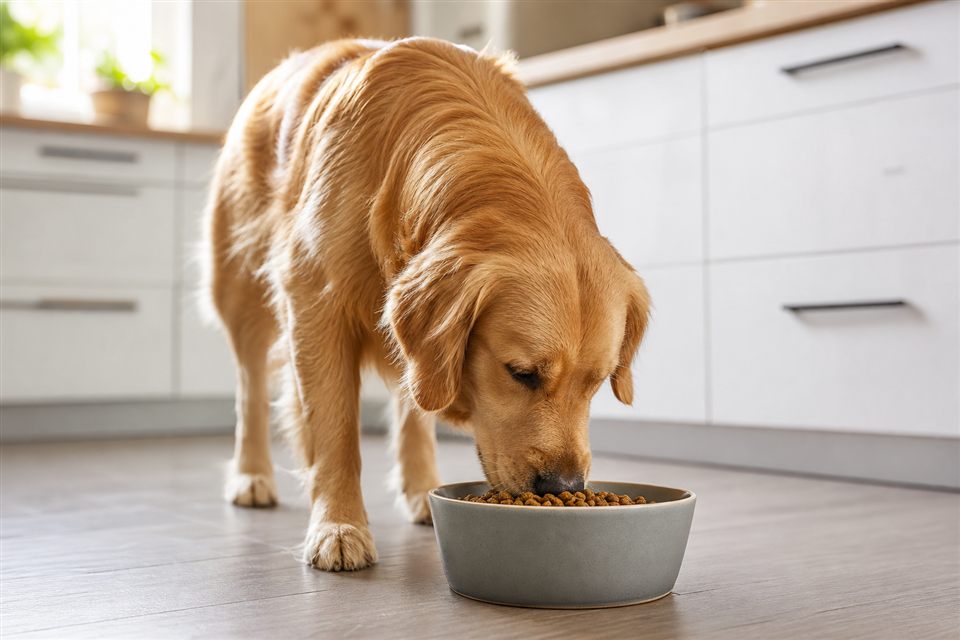
Tom grabbed a bag of unsalted mini pretzels at the grocery store because his blood pressure coach told him to cut sodium—not because he planned to share them with anyone. His corgi, Biscuit, had other ideas. One pretzel rolled off the couch cushion, Biscuit vacuumed it up, and Tom found himself wondering whether crunchy human snacks were harmless crumbs or a habit he should shut down fast.
Key points at a glance
- Plain unsalted pretzels are not toxic but offer little nutritional value.
- Small broken pieces are safer than whole pretzels for most dogs.
- Avoid salted, flavored, chocolate-coated, or xylitol-sweet pretzels entirely.
- High carbs can contribute to weight gain if given regularly.
- Hard pretzels pose a choking hazard for small dogs and puppies.
- Better treat options exist for daily rewarding.
Are pretzels safe for dogs?
Plain unsalted pretzels made from flour, water, and yeast are generally not poisonous to dogs. That is a low bar. Safe does not mean recommended. Pretzels are essentially empty calories—refined carbohydrates with minimal protein, vitamins, or fiber that dogs actually need.
An occasional tiny piece is unlikely to harm a healthy adult dog. Making pretzels a regular reward is where problems start, especially for overweight dogs or breeds prone to pancreatitis when fatty foods enter the picture alongside carb-heavy extras.
Why salt and flavorings matter
Salted pretzels can push sodium intake too high, particularly for small dogs, senior dogs, or those with heart or kidney disease. Flavored varieties often contain garlic powder, onion powder, or spicy coatings that range from irritating to toxic.
| Pretzel type | Verdict for dogs |
|---|---|
| Plain unsalted | Occasional tiny piece OK |
| Salted | Avoid — excess sodium |
| Garlic or onion flavored | Avoid — toxic seasonings |
| Chocolate dipped | Never — chocolate is toxic |
| Sugar-free with xylitol | Never — xylitol is deadly for dogs |
Always read ingredient labels. "Unsalted" on the front does not guarantee the product is free of harmful additives.
Choking and dental considerations
Whole hard pretzels can lodge in a small dog's throat. Break pretzels into pea-sized bits if you choose to share them at all. Dogs who gulp treats without chewing need extra caution.
Hard pretzels can also fracture teeth in aggressive chewers, the same way ice cubes or bones sometimes do. If your dog already has dental disease, skip hard snacks entirely.
How much is too much?
Think one small broken piece, not a handful:
- Small dogs: half a mini pretzel or less
- Medium dogs: one mini pretzel
- Large dogs: one to two mini pretzels maximum
Limit pretzel treats to rare occasions—perhaps a few times a month—not daily training sessions. If you need frequent rewards, use single-ingredient treats sized for dogs.
Healthier crunchy alternatives
Air-popped plain popcorn without butter or salt, small pieces of apple, carrot coins, or commercial low-calorie training treats all deliver crunch with more nutritional sense. Dehydrated sweet potato chews satisfy the chewing urge without the refined flour load.
Single-ingredient treats also make portion control easier. When Biscuit earns a reward during leash training, Tom now reaches for a pea-sized liver treat instead of whatever fell off the snack bowl. Over a month, those small swaps add up to fewer empty carbs and steadier weight.
What to do if your dog eats the wrong pretzels
Mistakes happen. Dogs raid pantries, kids drop snacks, and party bowls disappear in seconds. If your dog ate salted or garlic pretzels, note roughly how many and check the ingredient list for onion powder, chocolate, or xylitol.
Mild cases may only cause increased thirst and one episode of vomiting. Larger ingestions can lead to salt toxicity, especially in dogs under 15 pounds. Warning signs include vomiting, diarrhea, tremors, seizures, and extreme lethargy. Call your veterinarian or the ASPCA Animal Poison Control Center promptly rather than waiting to see if symptoms develop.
If your dog accidentally eats a large bag of salted or flavored pretzels, watch for vomiting, excessive thirst, tremors, or lethargy and call your veterinarian or pet poison helpline. This article shares general pet nutrition information and is not a replacement for advice from your dog's vet.