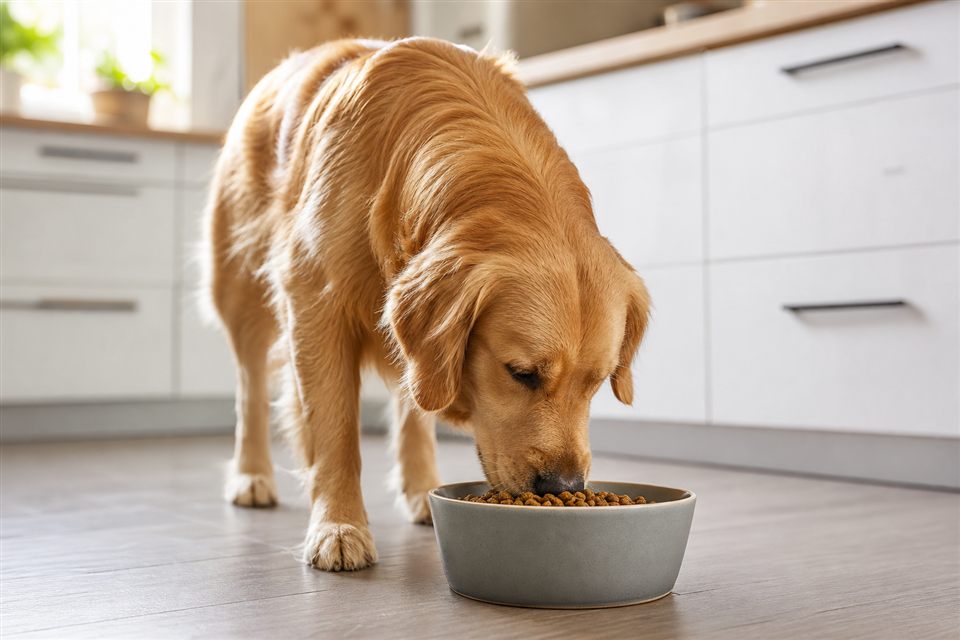
Claire pulled a bag of frozen peas and carrots from the freezer for her own dinner, then set a handful on the counter to thaw for her senior poodle, Midge. No butter, no sauce, no microwave steam-in-bag seasoning — just soft vegetables Midge could gum without much effort. Midge had been losing interest in crunchy treats, and the thawed mix became her new favorite bribe for coming inside from the yard.
Key points at a glance
- Plain thawed frozen peas and carrots are safe and nutritious for most dogs.
- Avoid steam-in-bag varieties with added salt, sauce, or butter.
- Peas provide protein and fiber; carrots offer beta-carotene and crunch when raw.
- Small dogs and gulpers may need peas mashed or halved to reduce choking risk.
- Large daily amounts of peas can contribute to purine-related issues in dogs prone to urate stones.
Why frozen mixed vegetables work
Frozen peas and carrots are picked and frozen at peak ripeness, which means they often retain nutrients as well as fresh produce — sometimes better than the limp carrots sitting in a crisper drawer for two weeks. For dogs, the main appeal is low-calorie volume. A quarter cup of thawed peas and carrots adds texture and interest to a meal without the calorie load of commercial treats.
Peas contain plant-based protein, fiber, and vitamins A, K, and several B vitamins. Carrots bring beta-carotene, which dogs convert to vitamin A as needed. Neither food is toxic. Neither replaces meat in a dog's diet. They're supplementary, and that's the correct mental frame.
Thawing is enough — you don't need to cook them unless your dog prefers softer texture or has dental pain. Steaming briefly makes carrots easier to chew for seniors without turning the snack into a salted side dish.
The sauce and butter problem
The vegetables aren't the issue. The extras are. Pre-seasoned steam-in-bag products often contain:
- Salt levels far above what dogs should consume
- Butter or oil that triggers pancreatitis in sensitive dogs
- Garlic or onion powder in " savory" blends
- Sugar in glazes or honey-butter coatings
If the bag mentions sauce, seasoning, or "ready to serve" flavor, it's for humans. Buy plain frozen peas and carrots — the kind with one or two ingredients on the label — or buy peas and carrots separately and mix them yourself.
Serving sizes and preparation tips
| Dog size | Thawed portion (plain) | Preparation note |
|---|---|---|
| Small (under 20 lbs) | 1–2 tbsp | Mash peas; shred or cook carrots |
| Medium (20–50 lbs) | 2–4 tbsp | Halve large carrot coins |
| Large (50+ lbs) | ¼ cup | Whole peas usually fine |
Introduce any new vegetable gradually. A sudden cup of peas can cause gas or soft stool simply from fiber load, not toxicity. If your dog has kidney disease, check with your vet before adding peas regularly — they're moderately high in purines, which matter for dogs with urate bladder stones or certain metabolic conditions.
For dogs who swallow without chewing, spread thawed peas on a lick mat or mix them into kibble so they're eaten slowly. Whole baby carrots are a choking hazard for small breeds and enthusiastic gulpers; coin-cut or shredded carrots are safer.
Raw vs. thawed vs. cooked
Raw frozen peas and carrots straight from the freezer can be a crunchy summer treat for dogs who chew properly. Thawed vegetables are softer and easier on older teeth. Lightly steamed carrots break down cell walls and release slightly more beta-carotene, though at treat portions the difference is minor.
Avoid canned peas and carrots unless labeled no-salt-added and rinsed. Peas in treat-sized amounts haven't been linked to DCM concerns the way grain-free diets heavy in legumes have.
The bottom line
Thawed frozen peas and carrots with no sauce, butter, or seasoning are one of the simplest healthy treats you can offer most dogs. Buy plain bags, thaw what you need, and adjust texture for your dog's teeth and eating style. Keep portions modest, watch for gas when you first introduce them, and leave the seasoned steam-in-bag versions for your own plate.
This article is for general informational purposes only and does not replace advice from your veterinarian. Always consult your vet before introducing new foods, especially if your dog has existing health conditions.