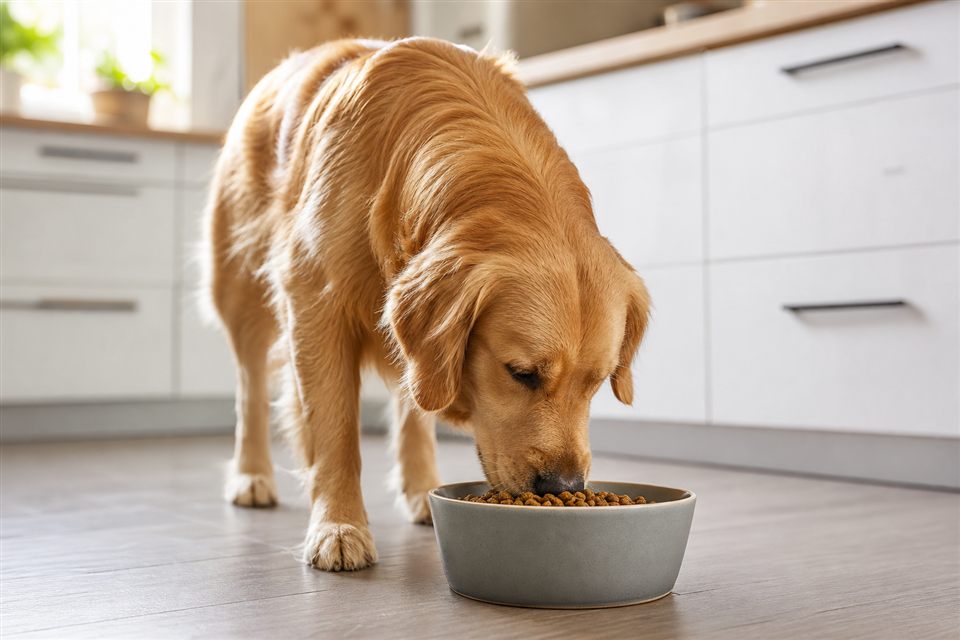
When Marcus roasted turnips for Sunday dinner, his beagle Dot parked herself under the cutting board like it was a professional sport. He dropped one cube into her bowl, watched her crunch through it, and spent the next hour wondering if he'd just signed up for a very fragrant evening. Turnips turned out fine for Dot — in moderation.
Key points at a glance
- Plain cooked turnips are generally safe for healthy dogs in small amounts.
- Raw turnips are harder to digest and more likely to cause gas or stomach upset.
- Start with one or two small cubes for a medium dog and watch for bloating or loose stool.
- Turnips offer fiber and some vitamins but should never replace balanced dog food.
- Dogs with kidney issues or sensitive stomachs may need to skip turnips entirely.
What turnips actually offer your dog
Turnips belong to the brassica family, alongside cabbage and broccoli. That lineage matters because brassicas contain compounds that can ferment in the gut. For most dogs, that's manageable in tiny servings. For others — especially flat-faced breeds already prone to gas — it can become a household problem fast.
Cooked turnips are softer, easier to chew, and gentler on digestion than raw ones. Boiling, steaming, or roasting without oil, salt, butter, or seasoning is the only version worth offering. Mashed turnips mixed with cream, garlic, or onion belong on your plate, not in the dog bowl. Onion and garlic are toxic to dogs regardless of how the turnip was prepared.
Nutritionally, turnips are low in calories and provide fiber and vitamin C. Think of them as an occasional side dish, not a dietary cornerstone.
Portion sizes that make sense
Size matters more than most people assume. A Great Dane and a terrier should not receive the same handful of turnip cubes.
| Dog size | Starting portion (cooked, plain) | Maximum occasional treat |
|---|---|---|
| Small (under 20 lbs) | 1 small cube (about 1 tsp) | 1 tbsp total |
| Medium (20–50 lbs) | 2–3 small cubes | 2 tbsp total |
| Large (50+ lbs) | 1 tbsp | 3–4 tbsp total |
Introduce turnips once and wait 24 hours before offering more. If your dog develops soft stool, excessive flatulence, or seems uncomfortable, don't push it. Some dogs simply don't tolerate brassicas well, and that's normal.
Do turnips cause gas in dogs?
Yes, they can — and the cooking method doesn't eliminate the risk entirely. Turnips contain raffinose, a sugar that gut bacteria break down into gas. Cooking reduces some of the harshness but not the fermentation potential.
Signs that turnips aren't sitting well include:
- Audible stomach gurgling within a few hours
- Increased flatulence (often the first and loudest clue)
- Mild bloating or a tense abdomen
- Loose stool the next day
If gas is the only symptom and your dog otherwise acts normal, you can usually chalk it up to portion size and adjust downward. Persistent bloating, vomiting, or lethargy means stop feeding turnips and call your vet. Those symptoms can overlap with more serious conditions unrelated to vegetables.
When to skip turnips altogether
Not every dog should try turnips, even cooked and plain. Avoid them if your dog has a history of pancreatitis, inflammatory bowel disease, or chronic diarrhea. Dogs on prescription kidney diets often need controlled potassium and phosphorus — turnips aren't dramatically high in either, but adding unplanned extras complicates a carefully managed plan.
Puppies under six months should stick to regular food and vet-approved treats. Peel, cube, steam or boil until tender, cool completely, and skip seasoned leftovers from human meals.
The bottom line
Plain cooked turnips are a reasonable occasional treat for most healthy dogs when served in small portions. They won't transform your dog's health, but they add fiber and variety without many calories. Watch for gas — it's the most common complaint — and keep servings modest. If your dog loves them and tolerates them well, a few cubes a couple of times a week is plenty.
This article is for general informational purposes only and does not replace advice from your veterinarian. Always consult your vet before introducing new foods, especially if your dog has existing health conditions.