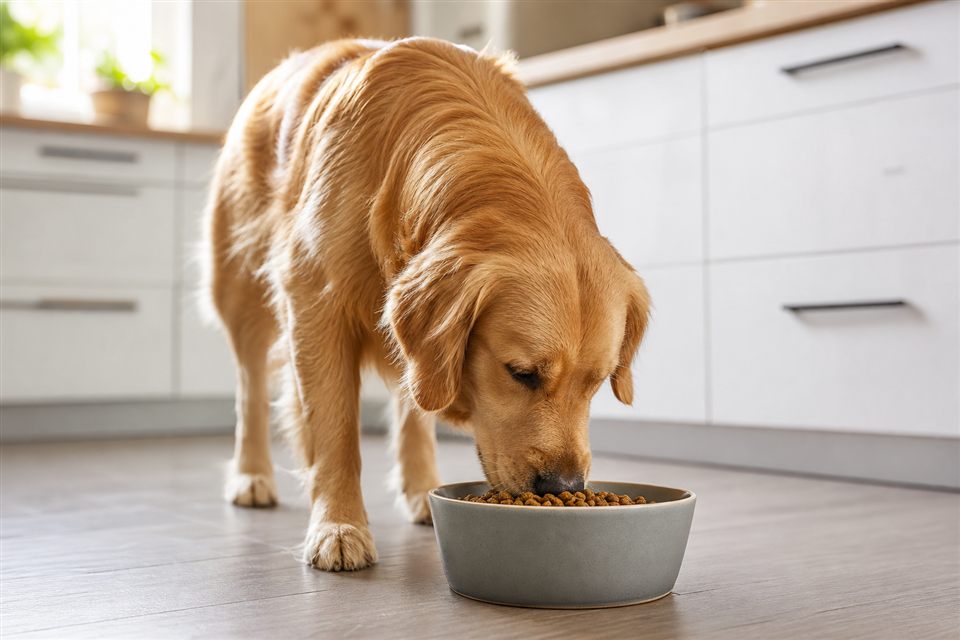
Elena roasted a spaghetti squash on a rainy Sunday while her Labrador, Duke, circled the kitchen like a furry sous chef. When she scraped out the stringy flesh, Duke's tail went into overdrive. She set aside a plain spoonful—no olive oil, no parmesan, no garlic—and Duke demolished it before she could decide whether squash strings counted as dog food or kitchen accident.
Key points at a glance
- Plain cooked spaghetti squash is safe for most dogs in moderation.
- The stringy flesh is easy to chew and lower in calories than many treats.
- Always serve without butter, salt, garlic, onion, or seasoning blends.
- Introduce small amounts first to avoid digestive upset.
- Remove seeds and rind before feeding.
- Not suitable as a daily meal replacement.
Is spaghetti squash safe for dogs?
Yes. Spaghetti squash is a non-toxic winter squash that many dogs tolerate well when cooked plain. The flesh is soft, mildly sweet, and naturally low in fat, which makes it a reasonable option for dogs on calorie-controlled diets.
What makes it unsafe is not the squash itself but what humans typically add to it. Garlic bread seasoning, butter, cheese sauces, and salty spice rubs turn a harmless vegetable into something your dog should never eat.
Nutritional profile
Spaghetti squash is mostly water and fiber, with modest amounts of vitamin A, vitamin C, and potassium. It is not a protein source and should not replace balanced dog food.
| Component | Approximate benefit |
|---|---|
| Fiber | May help dogs with occasional constipation |
| Vitamin A | Supports skin and eye health |
| Low fat | Safer than fatty table scraps |
| High water content | Adds hydration to treats |
Because it is filling without being calorie-dense, a tablespoon or two can satisfy a dog who begs at the dinner table without wrecking their daily calorie budget.
How to prepare it safely
Cut the squash in half and scoop out all seeds. Roast, steam, or microwave until the flesh is fully soft. Scrape out only the stringy interior and discard the hard outer rind—it is tough to digest and can cause blockages if swallowed in chunks.
Cool the squash to room temperature. Mash or chop it if your dog gulps food quickly. Keep the portion plain. If you would not eat it without salt, that is exactly how your dog should receive it.
Serving sizes by dog weight
Use these as starting guidelines, not daily allowances:
- Small dogs: 1–2 tablespoons
- Medium dogs: 2–4 tablespoons
- Large dogs: 1/4 to 1/2 cup
Offer squash no more than a few times per week unless your veterinarian suggests otherwise for a specific health plan. Dogs with diabetes need tighter carbohydrate control, so ask your vet before adding starchy vegetables regularly.
Risks to watch for
Too much squash at once can cause loose stool because of the fiber content. Dogs prone to pancreatitis should avoid fatty additions, though plain squash itself is low fat. Never feed raw squash or large rind pieces.
Allergies to squash are uncommon but possible. If you notice itching, ear inflammation, or vomiting after the first serving, stop offering it and note the reaction for your vet.
Better ways to use squash as a treat
Mix a spoonful of plain spaghetti squash into your dog's regular kibble for variety. Freeze small portions in ice cube trays for a slow snack on hot days. You can also use it as a low-calorie Kong filler instead of peanut butter if your dog needs to lose weight.
If your dog shows persistent vomiting, bloating, or lethargy after eating squash, contact your veterinarian. This guide offers general information and is not a substitute for professional medical advice tailored to your dog.