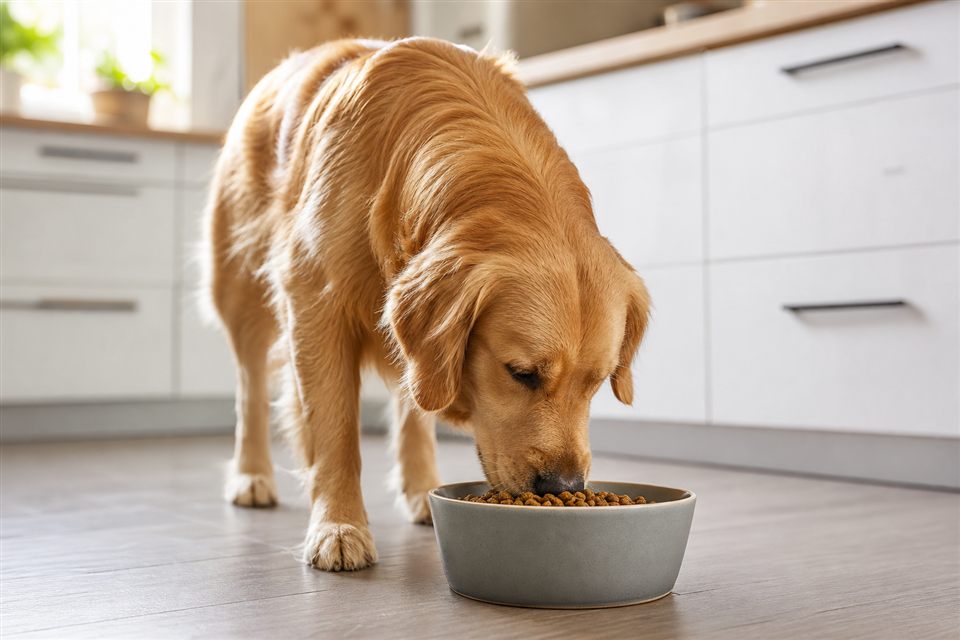
Claire found a rutabaga at the farmers market—purple-yellow, heavy, vaguely turnip-shaped—and wondered if her senior Golden Retriever, Hank, could share some. Hank already ate plain sweet potato chunks without issue. Claire peeled the rutabaga, boiled it soft, and mashed a tablespoon into Hank's dinner. Hank finished every bite and did not produce the gas cloud she half-expected.
Key points at a glance
- Plain cooked rutabaga is safe for most dogs as an occasional add-in
- Rutabaga is a cross between cabbage and turnip—not toxic to dogs
- Cook thoroughly; raw rutabaga is hard and can cause choking
- No butter, salt, onion, or gravy—keep it plain
- Introduce slowly to avoid gas or digestive upset
What is rutabaga, and is it dog-safe?
Rutabaga (also called swede or yellow turnip in some regions) is a root vegetable in the brassica family. Like cabbage, broccoli, and turnips, it is non-toxic to dogs when cooked plain. It has a mild, slightly sweet flavor when roasted or boiled and a texture similar to potato when soft.
Dogs do not need rutabaga nutritionally, but it can add variety and fiber to an otherwise predictable bowl.
How should you cook rutabaga for your dog?
Peel the waxy skin—it is tough even after cooking. Cut the flesh into cubes and boil, steam, or roast until fork-tender. Roasting without oil at moderate heat works; just place cubes on parchment. Mash for dogs with dental wear.
Never serve rutabaga from a holiday side dish that includes butter, brown sugar, nutmeg, or onion. Those additions are the danger, not the vegetable itself.
| Dog size | Portion | Frequency |
|---|---|---|
| Small | 1 teaspoon mashed | Once weekly |
| Medium | 1–2 tablespoons | Once or twice weekly |
| Large | 2–3 tablespoons | Once or twice weekly |
Rutabaga vs turnip vs potato: any difference?
All three are safe plain and cooked. Rutabaga sits between turnip and potato in sweetness and starch content. It offers vitamin C, potassium, and fiber with fewer calories than white potato per cup.
Turnips are slightly sharper in flavor; some picky dogs prefer rutabaga's milder taste. Sweet potato remains higher in beta-carotene. Rotating among plain cooked root vegetables keeps treats interesting without overloading any one nutrient.
Can rutabaga cause gas?
Brassica vegetables contain compounds that can produce gas when broken down in the gut. Not every dog reacts, but Hank's lack of gas is not guaranteed for all breeds. Start with a teaspoon and increase over a week if stool stays normal.
Dogs with hypothyroidism on certain diets or those prone to bladder stones should ask their vet before adding new vegetables regularly. Rutabaga is not high in oxalates like spinach, but your dog's individual history matters.
Storage and prep tips for busy owners
Cook a batch of plain rutabaga cubes once and refrigerate them for up to four days. Reheat is unnecessary—most dogs accept cold mashed root vegetables mixed into food. Freezing plain cubes in small portions works for up to three months. Label the container clearly so nobody grabs them for seasoned human side dishes by mistake.
Should puppies eat rutabaga?
Puppies can try a pea-sized amount of plain mashed rutabaga after weaning, but their primary nutrition should come from complete puppy food. Occasional vegetables are enrichment, not meal replacement.
Claire rotates rutabaga with green beans and carrots so Hank's bowl does not look identical every night. Occasional is the operative word—Hank's core diet stays the same prescription senior kibble his vet recommended. If rutabaga causes loose stool at first, cut the portion in half and retry after a few days rather than abandoning it entirely; some senior dogs adjust after a gradual introduction period. If your dog has diabetes, kidney disease, or a sensitive stomach, check with your veterinarian before adding rutabaga or any new vegetable.